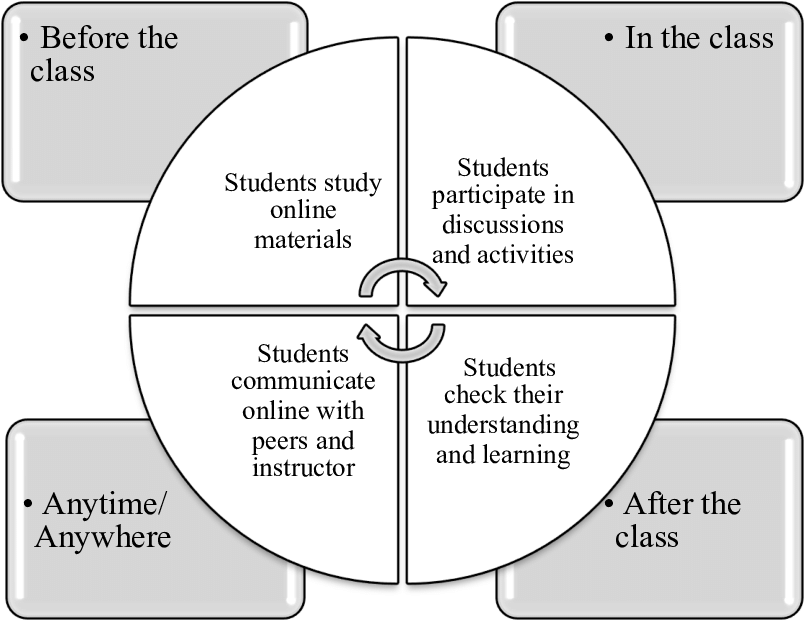
The flipped classroom model has gained significant popularity in recent years as an alternative approach to traditional teaching methods. This innovative educational model flips the traditional learning environment by delivering instructional content outside of the classroom, usually through online videos or readings, and using class time for collaborative activities and discussions.
In a flipped classroom, students have the opportunity to engage with the material at their own pace and convenience. They can access pre-recorded lectures or other instructional resources from home or any location with internet access. This flexibility allows students to review concepts they might find challenging multiple times until they grasp them fully.
When students come to class, they are already familiar with the content, which enables teachers to facilitate deeper discussions, answer questions, and address misconceptions. The focus shifts from passive listening during lectures to active participation in problem-solving activities and group projects. Students become more independent learners as they take ownership of their education and develop critical thinking skills.
Here are eight key benefits of adopting the flipped classroom model:
1. Enhanced student engagement: By providing access to instructional materials outside of class time, students can engage with course content at a time that suits them best. This personalized approach increases student motivation and involvement since it accommodates different learning styles and preferences.
2. Individualized learning experience: In a flipped classroom setting, students can learn at their own pace without feeling rushed or left behind by their peers. They have more control over their education as they navigate through resources based on their strengths or weaknesses.
3. Flexibility for diverse learners: The flipped classroom model caters well to diverse learner profiles such as those with special needs or English language learners (ELLs). Teachers can provide additional support or differentiated instruction during in-class activities when needed.
4. Improved teacher-student interaction: With lectures moved outside of class time, teachers have more opportunities for one-on-one interactions with students during face-to-face sessions. They can address specific concerns promptly and offer individualized feedback.
5. Active learning and critical thinking: In a flipped classroom, students take an active role in their education. They participate in discussions, collaborate with peers on problem-solving activities, and apply concepts learned independently. This approach enhances critical thinking skills and fosters a deeper understanding of the subject matter.
6. Increased student collaboration: Collaborative learning is at the heart of the flipped classroom model. By working together on projects or engaging in group discussions during class time, students develop teamwork skills and learn from each other’s perspectives.
7. Time for mastery: Traditional classrooms often follow fixed timelines to cover content within limited periods. In a flipped classroom, students have more time to master concepts before moving on to new material. This promotes thorough understanding rather than superficial knowledge acquisition.
8. Parental involvement: The flipped classroom model encourages parental involvement as parents gain insight into what their children are learning by having access to instructional materials outside of school hours. Parents can support their child’s education by discussing topics covered or assisting with assignments.
Despite its many benefits, implementing the flipped classroom model does come with certain challenges:
1. Availability of technology: Access to reliable internet connection and devices like computers or tablets may be limited for some students outside of school premises. Schools need to ensure that all students have equal opportunities when it comes to accessing online resources.
2. Teacher training and preparation: Flipping the traditional teaching model requires teachers to adapt their instructional strategies and develop digital content effectively. Providing adequate training and support is crucial for successful implementation.
3. Student accountability: While some students thrive under this self-directed learning approach, others may struggle without constant supervision during independent study time at home or elsewhere.
4.Time management skills: Students need strong time management skills to navigate through pre-recorded lectures or readings efficiently while balancing other responsibilities outside of school hours.
5.Equity concerns: It is essential for schools using the flipped classroom model to consider equity issues such as access to technology, resources, and support for students who may face socioeconomic or other challenges.
In conclusion, the flipped classroom model offers a promising alternative to traditional teaching methods. By shifting lectures outside of class time and using in-person sessions for collaborative activities and discussions, this approach enhances student engagement, critical thinking skills, and individualized learning experiences. Implementing the flipped classroom model requires careful planning, adequate resources, ongoing teacher training, and addressing equity concerns. When implemented effectively, it can transform the learning experience by empowering students to take an active role in their education and fostering a deeper understanding of the subject matter.
 Alternative Amie
Leave a comment