Emotional Regulation Strategies: Nurturing a Healthy Mindset
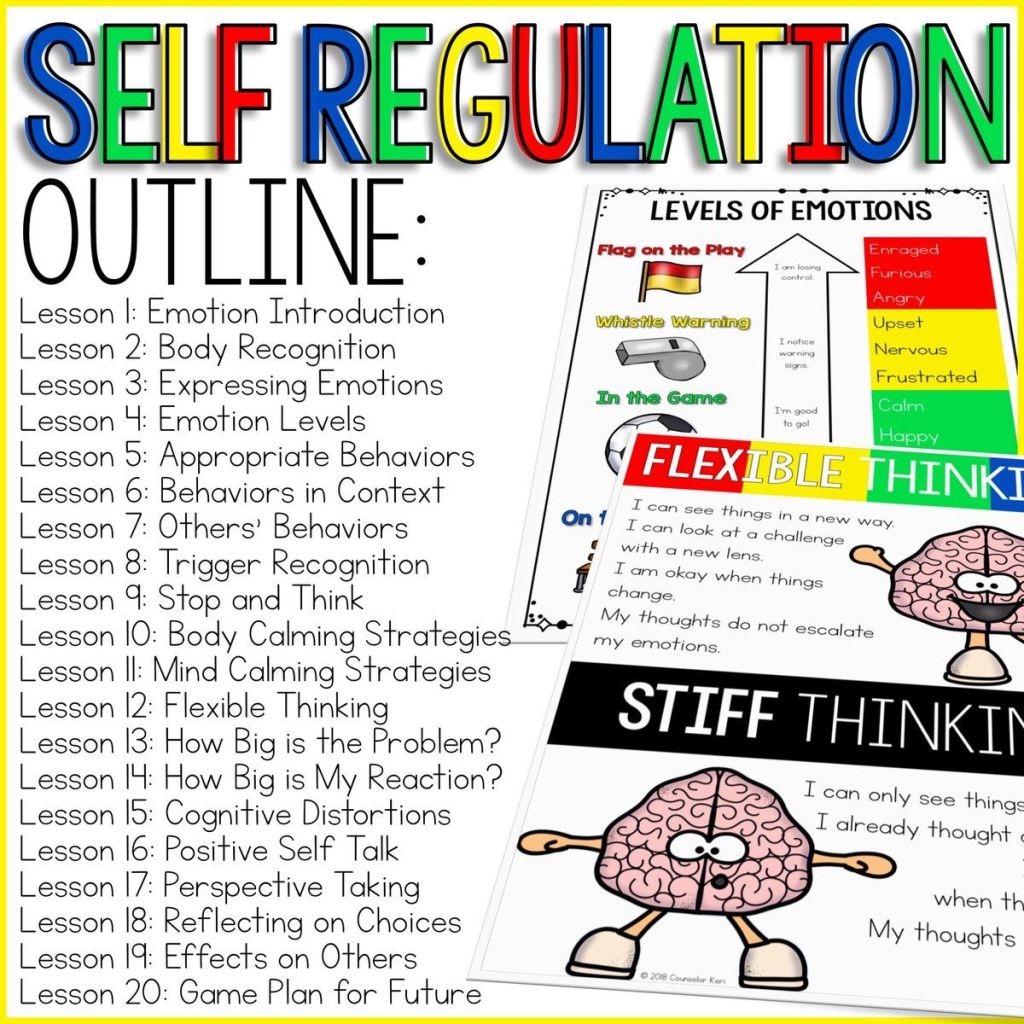
Growing up can be challenging, and children often face situations that leave them feeling overwhelmed or frustrated. It is crucial for parents, educators, and caregivers to equip children with emotional regulation strategies to help them navigate these emotions effectively. By providing them with the tools necessary to manage their feelings, we can empower children to develop a healthy mindset and build resilience. In this article, we will explore some effective strategies for emotional regulation.
1. Recognizing and labeling emotions: Encourage children to identify what they are feeling by using emotion words such as happy, sad, angry, or anxious. This helps them develop self-awareness and understand that it is normal to experience various emotions.
2. Deep breathing exercises: Teach deep breathing techniques like belly breathing or counting breaths slowly in through the nose and out through the mouth. Deep breaths activate the body’s relaxation response and help calm an agitated mind.
3. Mindfulness activities: Engaging in mindfulness exercises allows children to focus on the present moment without judgment. Simple practices like observing nature or listening to calming music can help redirect attention away from negative thoughts.
4. Physical activity: Encourage regular physical exercise as it releases endorphins which boost mood while reducing stress levels and anxiety.
5. Journaling: Provide children with a safe space where they can express their thoughts and feelings freely through writing or drawing in a journal. This practice promotes self-reflection while serving as an outlet for emotional release.
6.Positive self-talk: Teach children how to reframe negative thoughts into positive ones by practicing affirmations like “I can handle this” or “I am strong.” Positive self-talk can boost confidence during challenging situations.
7.Social support network: Encourage open communication between children and trusted individuals such as parents, teachers, or friends who provide emotional support when needed.
8.Creating routines: Establish consistent daily routines that provide structure and stability, reducing stress and uncertainty.
9.Taking breaks: Teach children the importance of recognizing when they need a break. Encourage them to step back from overwhelming situations and engage in activities that bring joy or relaxation.
10.Modeling emotional regulation: Children learn by observing adults. Model healthy emotional regulation by managing your own emotions in front of them, demonstrating effective coping mechanisms.
Remember, each child is unique, so it’s important to adapt these strategies according to their individual needs. By nurturing emotional regulation skills from an early age, we empower children with lifelong tools for managing feelings effectively. With consistent practice and support, children can develop a healthy mindset that will serve them well throughout their lives.
 Alternative Amie
Leave a comment