Self-assessment plays a crucial role in project-based learning (PBL) as it allows students to take ownership of their learning and monitor their progress. It empowers students to reflect on their strengths and weaknesses, set goals, and make improvements. In alternative schooling and education settings, where student-centered approaches are often emphasized, self-assessment becomes even more imperative.
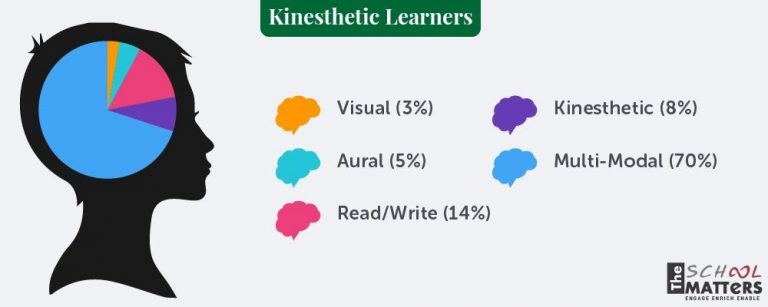
Kinesthetic learners thrive through hands-on activities that engage their bodies and movement. To cater to their needs, incorporating self-assessment strategies specifically designed for kinesthetic learners is essential. This can be achieved by encouraging them to physically demonstrate their understanding of concepts or skills learned, such as through role-playing or creating physical models. By reflecting on these experiences themselves, kinesthetic learners can better grasp the connections between actions and outcomes.
In online learning environments, self-assessment becomes imperative due to the lack of face-to-face interactions with instructors. Incorporating self-assessment into online courses helps foster independence among students by allowing them to evaluate their own progress without constant supervision. Online platforms can utilize quizzes or interactive exercises that provide immediate feedback for students to gauge their understanding and identify areas for improvement.
Visual learners absorb information best through visual aids such as diagrams, charts, or graphs. Self-assessment techniques tailored for visual learners involve using images or visuals as prompts for reflection or evaluation tasks. For example, they might create mind maps or concept maps that visually represent what they have learned so far in a project.
Alternative schooling environments often aim to motivate and engage students who may have struggled in traditional classrooms. Self-assessment has been found to have a positive impact on motivation and engagement in these non-traditional settings. When students are actively involved in assessing their own work, setting goals based on personal interests and aspirations becomes more meaningful.
Critical thinking is an important skill developed within alternative education settings; self-assessment can be used effectively to foster this skill among students. By reflecting on different aspects of a project, students can evaluate their own thought processes, identify biases or assumptions, and consider alternative perspectives. This reflective practice enhances critical thinking abilities and promotes deeper learning.
Metacognitive awareness refers to a student’s understanding of their own thinking processes. Self-assessment is an invaluable tool for promoting metacognitive awareness in student-centered learning environments. By engaging in self-reflection and evaluation, students become more aware of how they learn best, what strategies are effective for them, and how to adapt their approach when faced with challenges.
Emotional intelligence is another important aspect of holistic education that can be enhanced through self-assessment practices. Alternative schooling often emphasizes the development of emotional intelligence alongside academic achievements. By encouraging students to reflect on their emotions during the learning process and assessing how it affects their performance, they can develop greater self-awareness and regulate their emotions effectively.
Peer-to-peer self-assessment allows students to learn from each other and foster a sense of community within alternative education communities. Students can provide constructive feedback to one another based on agreed-upon criteria or rubrics, which helps develop communication skills as well as critical evaluation abilities.
Rubrics are widely used in non-traditional classrooms for self-assessment purposes. These clear guidelines outline expectations for each task or project component, allowing students to assess their work against specific criteria independently. Rubrics promote transparency in assessment practices and enable students to take ownership of their learning by clearly understanding what is expected from them.
Students with special needs require tailored approaches when it comes to self-assessment techniques within alternative education programs. Individualized support plans should be developed considering the unique strengths and challenges these students face while ensuring they have equal opportunities for growth through self-reflection.
Promoting student autonomy is a key goal in alternative schooling; using self-assessment practices helps achieve this objective effectively. Students who actively participate in evaluating their work gain confidence in making decisions about their own progress and take responsibility for achieving their goals.
Reflection journals provide students with a structured space to document their thoughts, reflections, and self-evaluations. These journals promote metacognitive processes, allowing students to monitor their thinking and learning progress over time. They also serve as valuable artifacts for teachers to gain insights into individual student growth.
Integrating technology tools can enhance the effectiveness of self-assessment in alternative education settings. Various online platforms or applications allow students to document their work, receive feedback from peers or instructors, and track their progress easily. Technology tools also enable real-time collaboration and communication among students in virtual classrooms.
Implementing self-assessment practices can face challenges within non-traditional schools. Resistance from both educators and students may arise due to unfamiliarity with this approach or traditional notions of assessment. Overcoming these barriers requires professional development for teachers, clear communication about the benefits of self-assessment for students’ growth, and fostering a positive culture around evaluation and reflection.
Cultivating a growth mindset is at the core of alternative schooling; self-assessment aligns well with this philosophy by encouraging continuous improvement rather than fixed abilities. Students understand that mistakes are opportunities for learning and view assessments as a means of personal growth rather than judgment.
The relationship between teacher feedback and student self-assessment is crucial in unconventional classrooms. Teachers can guide students in developing effective self-assessment skills through targeted feedback that highlights areas for improvement while recognizing strengths. This collaborative approach encourages ongoing dialogue between teachers and students regarding learning outcomes.
Supporting goal-setting skills through self-assessment techniques helps develop intrinsic motivation among students in alternative education programs. By setting specific goals based on individual interests or aspirations, students become more engaged in the learning process as they have a clear vision of what they want to achieve.
Peer feedback complements student’s own evaluations by providing different perspectives and insights into their work. Integrating peer feedback into the process of student self-evaluation promotes collaboration among classmates while enhancing their ability to critically assess the quality of their work.
Cultural diversity adds a unique dimension to self-assessment practices within alternative education. Students from diverse backgrounds bring different values, perspectives, and experiences that influence their self-evaluation processes. Recognizing and valuing these differences promotes inclusivity and enriches the overall learning environment.
Portfolios serve as holistic self-evaluation tools that showcase students’ progress and achievements over time. They contain a collection of artifacts, such as projects, essays, or artwork, accompanied by reflections on growth and learning experiences. Portfolios provide a comprehensive picture of student development beyond traditional assessments.
Parental involvement can significantly impact student-driven assessment methods in alternative schooling. Encouraging parents to engage in discussions about self-assessment with their children helps create a supportive home environment for fostering independent learners who take ownership of their educational journey.
Fostering collaboration and teamwork is essential in alternative education; peer-led assessment activities contribute to this aspect by promoting interaction among students while developing critical evaluation skills collaboratively. Group discussions or peer review sessions allow students to learn from each other’s perspectives and improve their own work accordingly.
Formative assessment is an integral part of student-centered learning approaches where feedback loops are crucial for continuous improvement. Self-assessment serves as an effective formative assessment tool that allows students to monitor progress regularly, make adjustments when necessary, and actively engage in the learning process.
Promoting accurate and unbiased self-evaluation is important within non-traditional classrooms where subjective judgments may be challenged more frequently than in traditional settings. Teachers should guide students through reflective practices that encourage them to consider multiple perspectives while keeping personal biases in check.
Self-assessment has shown positive effects on student self-esteem and self-confidence within alternative classrooms. By recognizing their own strengths and areas for improvement through reflection tasks, students develop a sense of empowerment regarding their abilities which translates into increased confidence levels.
Personalized learning plans are often implemented alongside alternative schooling approaches to cater to individual student needs. Self-assessment plays a crucial role in tailoring these plans by helping students identify their own learning styles, preferences, and areas of interest.
Interdisciplinary projects are common in alternative education settings, and self-assessment can be integrated seamlessly into these projects. Students can evaluate their progress across different subject areas, identifying connections between disciplines while developing transferable skills such as critical thinking or problem-solving.
In conclusion, self-assessment is a fundamental aspect of alternative schooling and education that empowers students to take ownership of their learning journey. It fosters metacognitive awareness, critical thinking skills, emotional intelligence, and promotes collaboration among peers. By incorporating various strategies tailored for different learner types and addressing challenges along the way, self-assessment becomes an invaluable tool for promoting holistic growth in non-traditional classrooms.
 Alternative Amie
Leave a comment