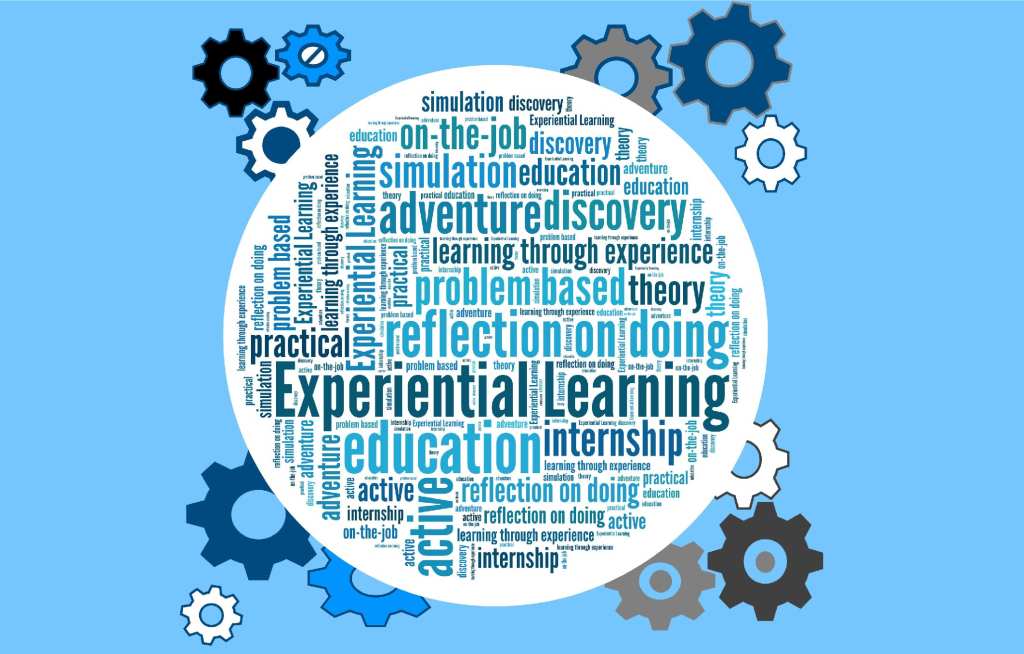
Experiential Learning: Embracing the Unconventional Path
In a world that values conventional education, alternative approaches to learning are often overlooked. However, there is a rising trend known as experiential learning that challenges traditional methods and encourages students to embrace a more hands-on approach to education.
Experiential learning focuses on providing immersive experiences that allow students to learn through direct engagement with real-world situations. Instead of merely memorizing information from textbooks, students actively participate in activities and projects that enhance their understanding of concepts.
One of the key benefits of experiential learning is its ability to foster critical thinking skills. By facing challenges and solving problems in real-life scenarios, students develop a deeper level of understanding and gain practical skills applicable beyond the classroom walls.
Moreover, experiential learning promotes creativity and innovation by encouraging students to think outside the box. Through interactive experiences, they learn how to adapt, collaborate effectively, and find innovative solutions – qualities highly sought after in today’s rapidly changing world.
While some may argue that experiential learning lacks structure or discipline compared to traditional schooling systems, it’s essential to recognize the value of self-directed exploration. Experiential learners have the opportunity to discover their passions organically rather than being confined within rigid academic boundaries.
Overall, experiential learning offers an exciting alternative for those seeking a more dynamic educational experience. It empowers individuals with practical skills while nurturing their creativity and problem-solving abilities. As we move towards an uncertain future, embracing this unconventional path could pave the way for a new generation of learners ready to tackle any challenge with confidence.
 Alternative Amie
Leave a comment