Alternative Schooling and Education: Supporting Neurodiverse Learners
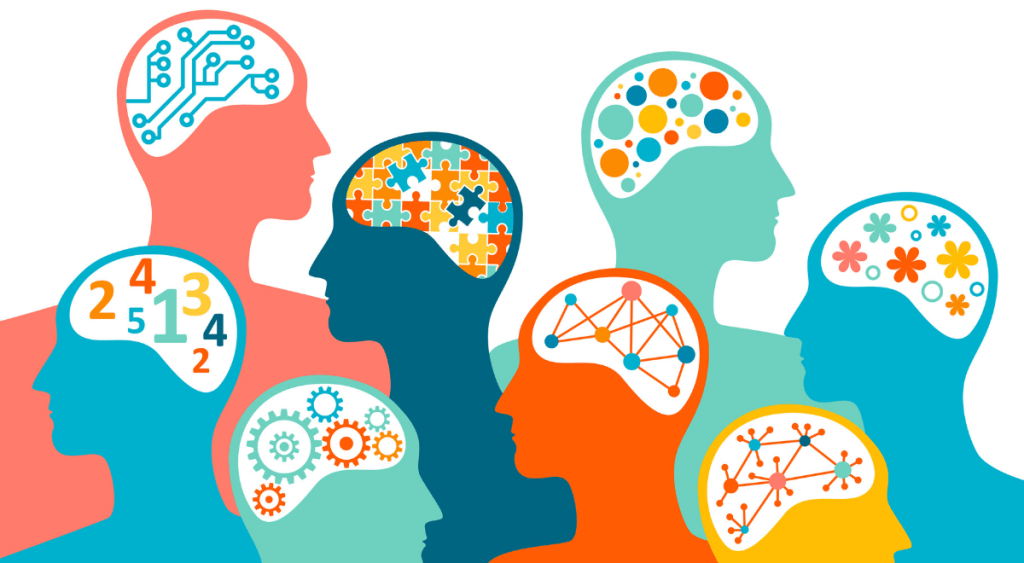
In recent years, there has been a growing recognition of the importance of neurodiversity in education. Neurodiversity refers to the idea that neurological differences, such as autism, ADHD, dyslexia, and other developmental disorders, are simply natural variations of the human brain. Instead of viewing these differences as deficits or disorders, many educators are now embracing them as unique strengths and abilities.
To effectively support neurodiverse learners in alternative schooling settings, it is crucial to adopt personalized learning approaches that cater to their individual needs and promote their overall well-being.
1. Neurodiversity and Personalized Learning:
Personalized learning recognizes that each student has distinct strengths, weaknesses, interests, and learning styles. In an alternative education setting that embraces neurodiversity, personalized learning becomes even more essential. Teachers should take the time to understand each student’s specific challenges and abilities to tailor instruction accordingly.
2. Supporting Neurodivergent Students in the Classroom:
Creating an inclusive classroom environment is paramount for supporting neurodivergent students. This includes ensuring physical accessibility by providing flexible seating options or sensory-friendly spaces. Additionally, teachers can implement strategies like visual aids or communication tools (e.g., social stories) to enhance engagement and understanding.
3. Alternative Teaching Methods for Neurodiverse Learners:
Traditional teaching methods may not always be effective for neurodiverse learners who require different approaches tailored to their unique abilities. Alternative teaching methods such as hands-on activities or experiential learning can be highly beneficial for engaging these students while promoting deep understanding.
4. Neurodiversity and Social-Emotional Development:
Neurodivergent students often face social-emotional challenges due to difficulties with social interactions or sensory sensitivities. It is crucial for alternative schools to prioritize social-emotional development programs that help build self-esteem, resilience, empathy skills, and promote a sense of belonging and acceptance among all students.
5. Creating Inclusive Environments for Neurodivergent Students:
Inclusive environments are essential for ensuring that neurodivergent students feel valued and supported. This can be achieved by promoting open communication channels, fostering positive peer interactions, implementing anti-bullying policies, and engaging in disability awareness campaigns.
6. The Role of Accommodations and Modifications in Alternative Schooling:
Accommodations and modifications are crucial components of supporting neurodiverse learners in alternative schooling settings. Individualized Education Plans (IEPs) should be developed collaboratively with educators, parents/guardians, and other professionals to identify appropriate accommodations such as extended time on assignments or modified assessments.
7. Neurodiversity and Sensory Integration Strategies:
Sensory integration strategies play a vital role in addressing sensory challenges faced by many neurodivergent learners. Alternative schools can incorporate sensory-friendly classrooms with controlled lighting, soundproofing, or designated quiet spaces to help reduce sensory overload.
8. Addressing Executive Functioning Challenges in Alternative Education Settings:
Executive functioning skills such as planning, organization, time management, and self-regulation can pose significant challenges for neurodiverse learners. Alternative education settings should provide explicit instruction on executive functioning skills while offering support systems like visual schedules or task organizers.
9. Promoting Self-Advocacy Skills Among Neurodiverse Learners:
Empowering neurodiverse students to become self-advocates is key to their success both inside and outside the classroom. Educators should encourage self-awareness and teach self-advocacy skills such as requesting accommodations or expressing their needs effectively.
10. Neurodiversity and Project-Based Learning Approaches:
Project-based learning allows neurodivergent students to engage deeply with content while utilizing their strengths in areas like research or creative problem-solving. This approach promotes collaboration, critical thinking, and independent learning.
Incorporating these strategies into alternative schooling settings can significantly enhance the educational experience for neurodiverse learners. By embracing neurodiversity, schools can create inclusive environments that foster independence, self-advocacy, and overall well-being while valuing the unique contributions of each student.
 Alternative Amie
Leave a comment