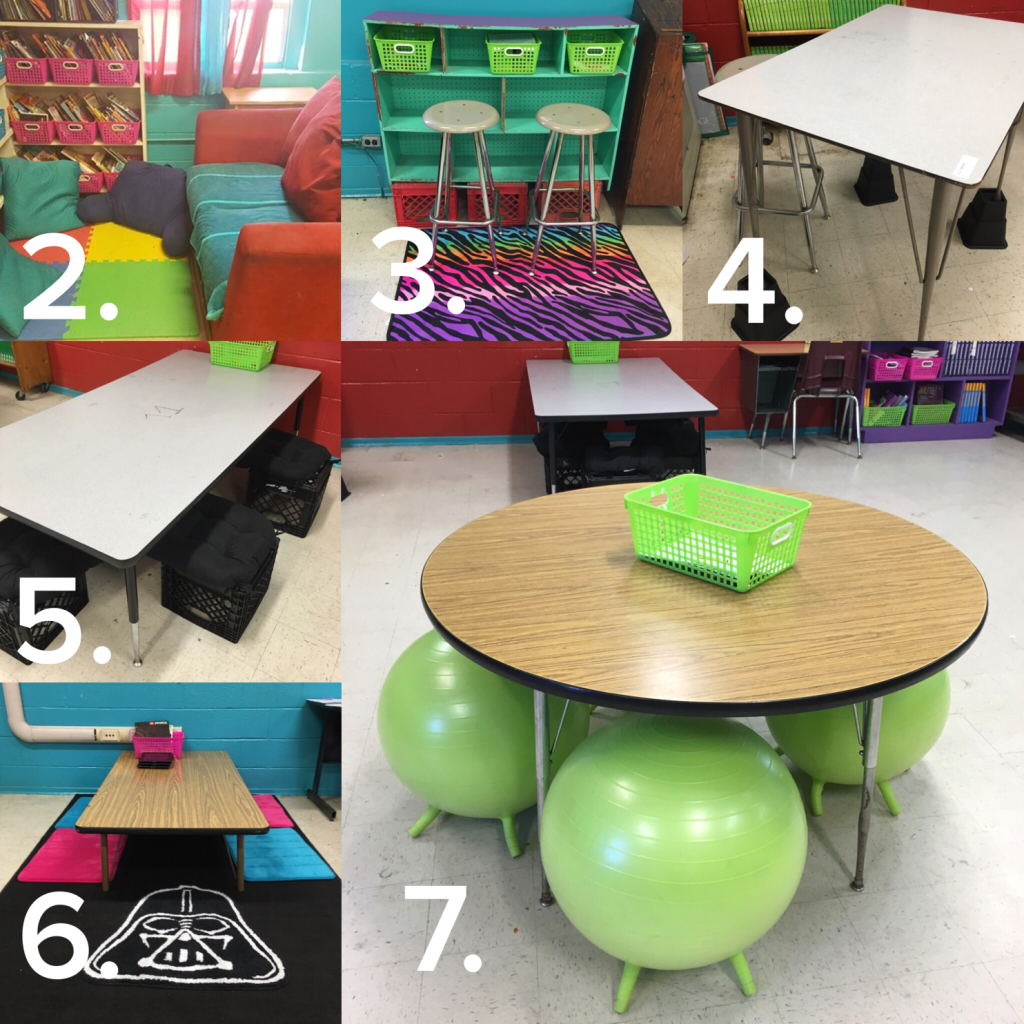
Flexible seating options have become increasingly popular in alternative schooling and education environments. These innovative seating arrangements not only provide students with a comfortable learning experience but also promote collaboration, creativity, and engagement. Here are some different types of flexible seating options that can be implemented in classrooms:
1. Bean bag chairs: Bean bag chairs offer a relaxed and cozy seating option for students. They allow students to sit or lie down comfortably while reading or working on assignments. Bean bags come in various sizes and colors, making them a versatile choice for any classroom setting.
2. Floor cushions: Floor cushions provide a soft and portable seating solution that encourages flexibility in the classroom layout. Students can easily move these cushions around to create their own preferred learning spaces or group settings.
3. Stability balls: Using stability balls as chairs helps improve core strength and posture while keeping students engaged during lessons. The constant need for balance activates muscles, leading to increased focus throughout the day.
4. Standing desks: Standing desks are ideal for promoting movement and reducing sedentary behavior among students. These adjustable-height desks allow learners to alternate between sitting and standing positions, providing ergonomic benefits while delivering lessons.
5. Wobble stools: Wobble stools feature rounded bottoms that enable students to rock gently back and forth while seated, allowing for subtle movements that prevent restlessness without causing distraction.
6. Couches or lounge areas: Creating a more relaxed atmosphere with couches or lounge areas gives students the opportunity to work collaboratively in groups or engage in independent study within a comfortable space.
7. Yoga mats or exercise balls: Yoga mats can be used individually by students who prefer floor-based activities like reading or meditation, while exercise balls offer an active alternative for sitting at traditional desks.
8. Lap desks: Lap desks provide individual workspaces that can be used anywhere within the classroom environment – on the floor, on bean bags, or even outside if weather permits outdoor learning experiences.
9. Adjustable tables: Adjustable tables allow for customized seating arrangements, accommodating students’ varying heights and preferences. These tables can be raised or lowered to create comfortable workspaces that cater to individual needs.
10. Outdoor seating options: Taking the learning experience outside is a great way to enhance student engagement and connection with nature. Picnic benches, tree stumps, or even blankets on the grass can transform an outdoor space into a unique classroom setting.
Implementing flexible seating options not only makes learning more enjoyable but also fosters creativity and collaboration among students. By providing a variety of choices, teachers can meet each student’s individual needs while promoting an inclusive and dynamic learning environment.
 Alternative Amie
Leave a comment