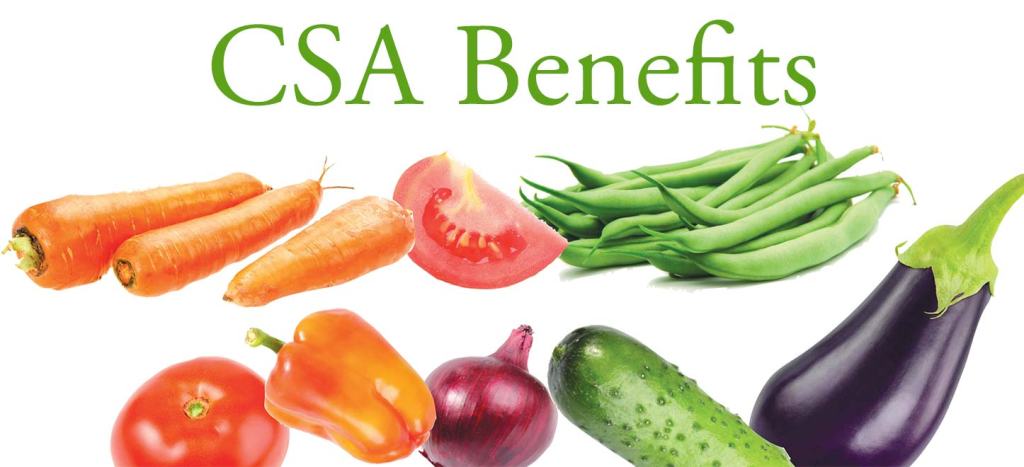
Community-Supported Agriculture Programs (CSAs): A Sustainable Solution for Food Education
In an era where the industrialization of food production has led to a disconnection between consumers and their sources of sustenance, Community-Supported Agriculture programs (CSAs) have emerged as a sustainable solution that promotes education, connection, and environmental stewardship. These programs offer individuals the opportunity to directly support local farmers while gaining access to fresh, seasonal produce. By participating in CSAs, members not only contribute to building stronger communities but also deepen their understanding of food systems and engage in environmentally responsible practices.
At its core, CSA is a mutually beneficial relationship between farmers and consumers. Members pay upfront for a share of the farm’s harvest at the beginning of the growing season or on a subscription basis. In return, they receive weekly or bi-weekly baskets or boxes filled with an assortment of freshly harvested fruits, vegetables, herbs, and sometimes other locally produced goods like eggs or honey.
One of the primary advantages of CSAs is that they bring people closer to their food sources by providing transparency about how it is grown. Many CSAs encourage members to visit the farms regularly throughout the season, fostering connections between consumers and growers while increasing awareness about agricultural practices. This hands-on experience allows individuals – especially children – to witness firsthand where their food comes from and understand the effort involved in producing it sustainably.
Moreover, participating in CSAs encourages consumption of seasonal produce rather than relying solely on supermarkets stocked with imports from distant locations. This shift towards eating locally-grown foods reduces carbon emissions associated with transportation while supporting small-scale farmers who utilize more ecological farming methods compared to large-scale operations.
The educational benefits extend beyond visiting farms; many CSAs provide additional resources such as newsletters or blog posts that inform members about crop varieties, planting techniques used on-farm visits are encouraged which allow participants – particularly children – insight into cultivation methods employed by local growers. Such educational materials also provide recipe suggestions and cooking tips to help members make the most of their weekly produce. This not only broadens culinary horizons but also fosters a deeper appreciation for the diversity and flavors offered by seasonal fruits and vegetables.
CSAs are particularly valuable in alternative schooling and education environments as they align with holistic learning philosophies that prioritize experiential, hands-on education. By participating in CSAs, students can engage with nature, learn about biodiversity, understand sustainable farming practices, and explore the interconnectedness of food systems within a local community. These experiences foster critical thinking skills while encouraging environmental consciousness and empathy towards farmers who work tirelessly to feed communities.
Additionally, CSAs have been shown to positively impact children’s eating habits. A study published in the Journal of Hunger & Environmental Nutrition found that children who participate in CSAs consume more fruits and vegetables than those who do not. Exposure to a variety of fresh produce through CSA shares can expand children’s palates, leading them to develop healthier eating habits that can last a lifetime.
In summary, Community-Supported Agriculture programs offer an array of benefits ranging from connecting consumers directly with local farmers to promoting sustainable food systems and enhancing educational opportunities. By joining a CSA, individuals contribute to building resilient communities while deepening their understanding of agriculture’s importance for human health and well-being. As we continue striving for alternative schooling models that emphasize experiential learning, CSAs emerge as an enriching pathway towards fostering ecological literacy among future generations.
 Alternative Amie
Leave a comment