Virtual Classrooms: Revolutionizing Education and Empowering Students
In the past decade, technological advancements have transformed every aspect of our lives. From communication to entertainment, these innovations have revolutionized the way we navigate the world. One area that has seen significant changes is education. With the rise of virtual classrooms, students now have access to a wealth of knowledge and opportunities like never before.
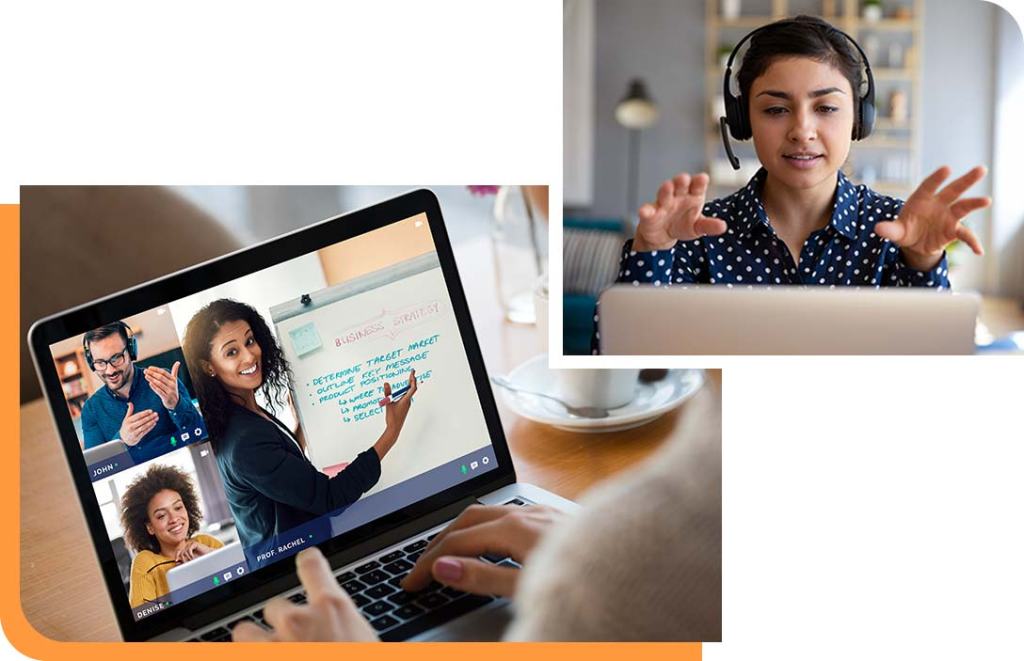
A virtual classroom is an online learning environment where students and teachers interact through video conferencing, discussion boards, and other collaborative tools. It offers a flexible alternative to traditional brick-and-mortar schools, allowing students to learn from anywhere in the world at their own pace.
One of the primary benefits of virtual classrooms is accessibility. For many students who may face physical or geographical barriers to education, such as those living in rural areas or with disabilities, virtual classrooms provide equal opportunities for learning. They can attend classes without having to commute long distances or worry about physical limitations hindering their educational journey.
Furthermore, virtual classrooms foster inclusivity by accommodating diverse learning styles. Traditional classrooms tend to follow a one-size-fits-all approach, which can leave some students feeling left behind or unchallenged. In contrast, virtual classrooms offer personalized learning experiences tailored to each student’s needs and abilities.
In a virtual classroom setting, teachers have more flexibility in delivering content through multimedia resources like videos, interactive presentations, and simulations. This variety not only keeps students engaged but also caters to different learning preferences – visual learners can benefit from videos while auditory learners can listen to audio recordings.
Another key advantage is that virtual classrooms encourage active participation and collaboration among students. Through features such as breakout rooms and group projects facilitated by online platforms like Google Classroom or Microsoft Teams, students can collaborate on assignments regardless of their physical locations.
Moreover, peer-to-peer interaction becomes more accessible in a virtual classroom environment compared to traditional settings where shy individuals may hesitate to speak up during class discussions. Online discussion boards and chat features allow students to express their thoughts, ask questions, and engage in meaningful conversations with their peers.
Virtual classrooms also offer a wealth of resources that are readily available at students’ fingertips. In addition to textbooks, online libraries, educational websites, and multimedia materials contribute to a more comprehensive learning experience. Students can access up-to-date information on any subject they’re studying without limitations imposed by physical books or the availability of resources in traditional classrooms.
Furthermore, virtual classrooms promote self-discipline and time management skills. With the flexibility to set their own study schedules, students learn how to prioritize tasks and manage their time effectively – an essential skill for success both academically and professionally.
Beyond these advantages, virtual classrooms prepare students for the future workforce where remote work is becoming increasingly common. By experiencing online collaboration tools firsthand during their education journey, students develop valuable digital literacy skills that will be highly sought after in professional settings.
Despite all these benefits, it’s important to acknowledge that virtual classrooms may not be suitable for everyone. Some individuals thrive in face-to-face interactions or require additional support from teachers due to learning difficulties. Therefore, it is crucial for educators and parents alike to carefully assess each student’s unique needs before opting for a fully online education.
In conclusion, virtual classrooms have revolutionized education by breaking down barriers of accessibility while offering personalized learning experiences. They empower students with knowledge at their fingertips and foster collaboration among peers regardless of geographical constraints. Virtual classrooms equip learners with essential skills necessary for today’s technologically advanced world while giving them the freedom to tailor their educational journey according to individual preferences. It is undoubtedly an exciting era for alternative schooling options that hold immense potential for transforming lives through education.
 Alternative Amie
Leave a comment