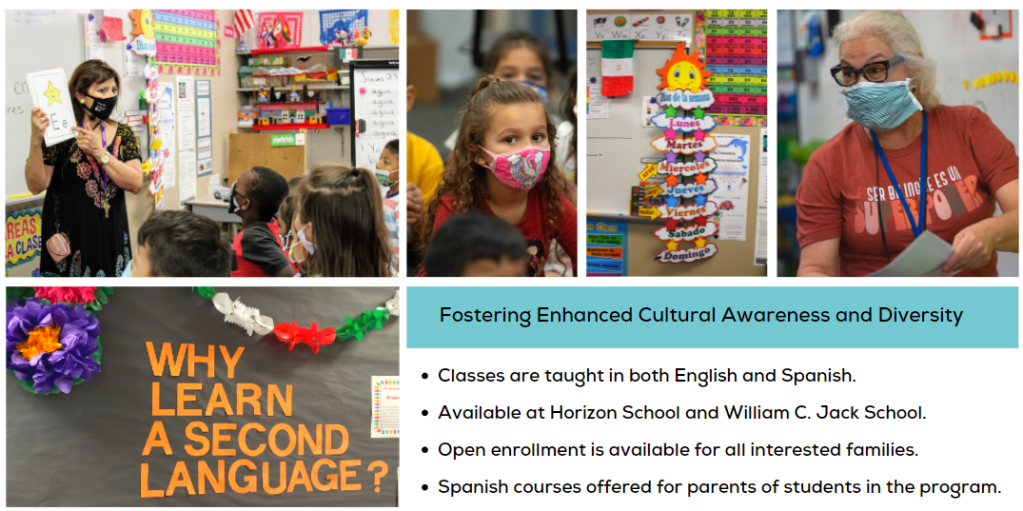
Language Immersion Programs: Unlocking the Power of Bilingualism
Introduction
In today’s increasingly interconnected world, being bilingual or multilingual has become a valuable asset. Not only does it enhance cognitive abilities and improve job prospects, but it also opens doors to new cultures and perspectives. Language immersion programs are an effective way for individuals of all ages to develop fluency in a second language while immersing themselves in the culture that surrounds it. In this article, we will explore the benefits of language immersion programs, different types available, and how they can be incorporated into alternative schooling and education.
What are Language Immersion Programs?
Language immersion programs provide an immersive environment where learners are surrounded by native speakers of the target language. Unlike traditional language classes that focus on grammar rules and vocabulary memorization, immersion programs prioritize real-life conversations and contextual learning. By exposing learners to authentic linguistic experiences from day one, these programs accelerate the acquisition process.
Benefits of Language Immersion Programs
1. Enhanced Language Proficiency: The primary benefit of language immersion is accelerated language proficiency. When individuals are immersed in an environment where their target language is spoken regularly, they naturally acquire listening, speaking, reading, and writing skills at a faster pace than traditional classroom settings.
2. Cultural Understanding: Language is intricately tied to culture; therefore, learning a new language through immersion allows individuals to gain firsthand knowledge about another culture’s customs, traditions, beliefs, and way of life. This cultural understanding fosters empathy and respect for diverse perspectives.
3. Cognitive Development: Numerous studies have shown that bilingualism enhances cognitive abilities such as problem-solving skills, creativity, multitasking capabilities, mental flexibility,and memory retention.
4. Global Opportunities: In today’s globalized economy with cross-border collaborations becoming increasingly common across various industries,bilingual professionals have a competitive edge when seeking employment opportunities both locally and internationally.
Types of Language Immersion Programs
There are several types of language immersion programs available, catering to different age groups and proficiency levels. Let’s explore a few popular options:
1. Preschool and Elementary School Immersion Programs: These programs are designed for young learners, typically between the ages of 3 and 12. Children spend a significant portion of their school day learning subjects in the target language while gradually becoming bilingual.
2. Secondary School Immersion Programs: Similar to preschool and elementary programs, secondary school immersion programs offer language instruction in various subjects alongside the core curriculum. This helps students develop advanced linguistic skills as they progress through higher grades.
3. Summer Camps and Language Study Abroad: Intensive summer camps or study abroad experiences provide an immersive environment outside traditional classroom settings. Participants live with host families or in dormitories where the target language is spoken, allowing them to practice their skills continuously.
4. Adult Language Immersion Programs: Tailored for working professionals or individuals seeking personal growth, adult immersion programs offer flexible schedules and specialized courses that cater to specific interests or career goals.
Incorporating Language Immersion into Alternative Schooling
Alternative schooling methods prioritize experiential learning, individualized instruction, and holistic development.As such, incorporating language immersion into alternative education can enhance its effectiveness significantly.Here’s how it can be done:
1. Experiential Learning Activities: Organize field trips to cultural events,museums,and restaurants where learners can interact with native speakers of the target language.This hands-on experience provides real-world exposure to reinforce what is taught in class.
2. Community Partnerships: Collaborate with local organizations,such as libraries,cultural centers,and businesses,to create opportunities for learners to engage with native speakers through conversation clubs,tutoring sessions,and cultural exchange activities.These partnerships facilitate authentic interactions while promoting community integration.
3. Technology Integration: Leverage technology tools like video conferencing platforms,social media communities,and language-learning apps that connect learners from different parts of the world. This allows learners to practice their language skills with native speakers and provides a global perspective.
4. Immersion Retreats: Organize weekend or week-long immersion retreats where learners can disconnect from their daily routines and fully immerse themselves in the target language and culture.These retreats can be held at rural locations,language centers,or even abroad.
Conclusion
Language immersion programs offer a transformative learning experience that goes beyond traditional language classes.Immersing oneself in an environment where the target language is spoken enhances linguistic proficiency while fostering cultural understanding and cognitive development. By incorporating language immersion into alternative schooling methods, educators can provide students with unique opportunities for growth and prepare them to thrive in our increasingly interconnected world. Whether it’s through preschool programs, summer camps, community partnerships, or technology integration, there are various avenues to embark on this bilingual journey. So why not seize the opportunity to unlock the power of bilingualism?
 Alternative Amie
Leave a comment