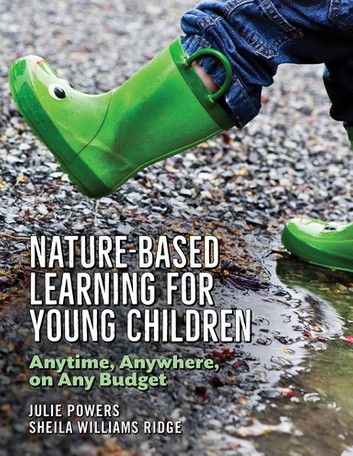
Outdoor Learning: The Benefits of Nature-Based Education
Introduction:
In recent years, there has been a growing interest in alternative methods of education that go beyond the traditional classroom setting. One such method gaining popularity is outdoor learning, which involves using nature as a backdrop for teaching and experiential learning. This approach offers numerous benefits to students, fostering their physical, emotional, and cognitive development. In this article, we will explore the advantages of outdoor learning and why it should be embraced by educators.
Enhanced Physical Health:
One of the most apparent benefits of outdoor learning is improved physical health among students. Spending time outdoors allows children to engage in various physical activities like running, climbing trees, hiking trails, or participating in sports. These activities help to develop their gross motor skills while promoting cardiovascular fitness and overall wellbeing.
Moreover, being exposed to natural sunlight enables the body to produce vitamin D, which is essential for strong bones and healthy immune function. Outdoor environments also provide opportunities for sensory exploration through touch, smell, sight, and sound – stimulating all the senses simultaneously.
Increased Emotional Wellbeing:
Spending time in nature has a positive impact on children’s emotional wellbeing. Studies have shown that exposure to green spaces reduces stress levels and improves mood. Being out in nature helps alleviate feelings of anxiety or depression by providing an outlet for relaxation and rejuvenation.
Outdoor learning also promotes social-emotional development through team-building activities where students learn cooperation and communication skills while working together towards common goals. The natural environment fosters creativity and imagination as well since it encourages free play without rigid structure or limitations.
Enhanced Cognitive Development:
Nature-based education positively influences cognitive development by engaging students’ curiosity naturally. Outdoor settings offer endless opportunities for hands-on learning experiences that bridge theoretical concepts with real-life applications.
For instance, studying biology can come alive when observing plants or animals within their natural habitats rather than solely relying on textbooks or videos. Similarly, math lessons can be enhanced by using natural objects like sticks, stones, or leaves to practice counting or learn about patterns and shapes. This experiential learning approach not only makes the subjects more enjoyable but also helps students retain information better.
Improved Environmental Awareness:
Outdoor learning is crucial in fostering a sense of environmental stewardship among young learners. By immersing themselves in nature, children develop an appreciation for the environment and gain firsthand experience of its delicate balance.
Through outdoor activities such as gardening, composting, or wildlife observation, students become aware of their impact on the ecosystem and learn sustainable practices. This knowledge can lead to behavior changes that promote conservation efforts throughout their lives.
Enhanced Problem-Solving Skills:
In a natural setting, students encounter various challenges that require problem-solving skills. Whether it’s building a shelter or navigating unfamiliar terrain during a hike, these situations demand critical thinking and decision-making abilities.
Outdoor education encourages independent thinking and resilience while allowing students to make mistakes and learn from them without fear of judgment. These experiences build confidence as individuals overcome obstacles through trial-and-error methods – important life skills applicable beyond academic settings.
Conclusion:
As educators strive to provide holistic education experiences for their students, outdoor learning has emerged as an effective alternative method. Beyond the conventional classroom walls lies a wealth of opportunities for physical health improvement, emotional wellbeing enhancement, cognitive development boost, environmental awareness promotion, and problem-solving skill sharpening.
By integrating outdoor learning into curricula across various subjects and age levels, we empower our future generations with tools necessary for success in both academics and life as responsible global citizens. Let us embrace this nature-based approach to education wholeheartedly and unlock the boundless potential within every child!
 Alternative Amie
Leave a comment