The Reggio Emilia Approach: Nurturing Creativity and Collaboration
When it comes to alternative education approaches, the Reggio Emilia approach stands out as a model that fosters creativity, collaboration, and critical thinking. Originating in the city of Reggio Emilia in northern Italy after World War II, this educational philosophy places children at the center of their learning experience.
One of the key principles of the Reggio Emilia approach is that children are viewed as competent and capable learners from birth. Educators see themselves not as instructors but as facilitators who guide children’s exploration and discovery. This approach emphasizes the importance of relationships between teachers, students, parents, and the community.
The curriculum in Reggio Emilia schools is emergent and project-based. Rather than following a predetermined syllabus or set curriculum, educators observe children’s interests and build on those topics to create meaningful learning experiences. Projects can last for days or even weeks, allowing students to delve deeply into subjects they find intriguing.
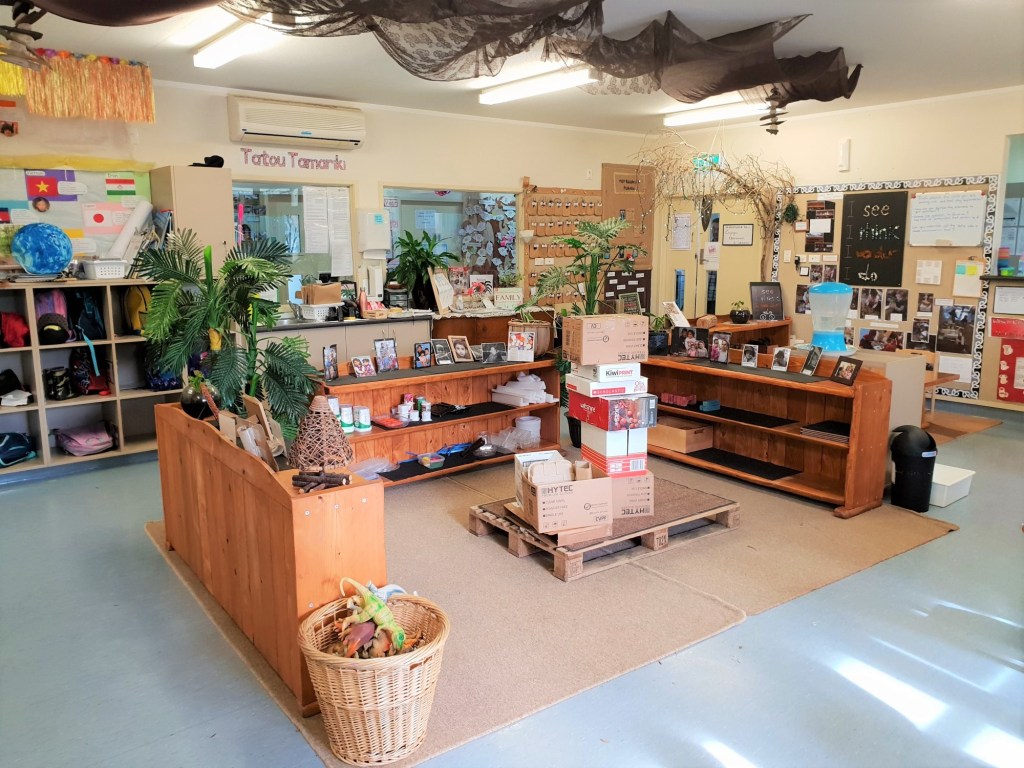
Documentation plays a vital role in the Reggio Emilia approach. Teachers carefully document each child’s progress through photographs, videos, work samples, and written observations. This documentation serves multiple purposes – it allows educators to reflect on their teaching practices while also providing a visual representation of children’s learning journey for both parents and students themselves.
Another significant aspect of this approach is the use of open-ended materials. Instead of relying solely on textbooks or structured activities with predetermined outcomes, educators provide various materials such as clay, paint, blocks, natural objects like leaves or shells – encouraging students to explore their imagination freely while constructing meaning from their experiences.
Collaboration is highly valued within this educational philosophy. Students engage in group projects where they learn how to communicate effectively with others while developing problem-solving skills together. Through collaboration with peers and adults alike—be it teachers or parents—children gain a sense of belongingness within their school community.
Reggio Emilia classrooms are designed to be inviting and inspiring spaces. Natural light, flexible furniture arrangements, and displays of artwork created by the children themselves contribute to an environment that promotes creativity and exploration.
In conclusion, the Reggio Emilia approach offers a unique perspective on education that prioritizes children’s autonomy, creativity, and collaboration. By empowering students as active participants in their own learning journey, this approach fosters a love for lifelong learning while nurturing critical thinking skills essential for success in the 21st century.
 Alternative Amie
Leave a comment