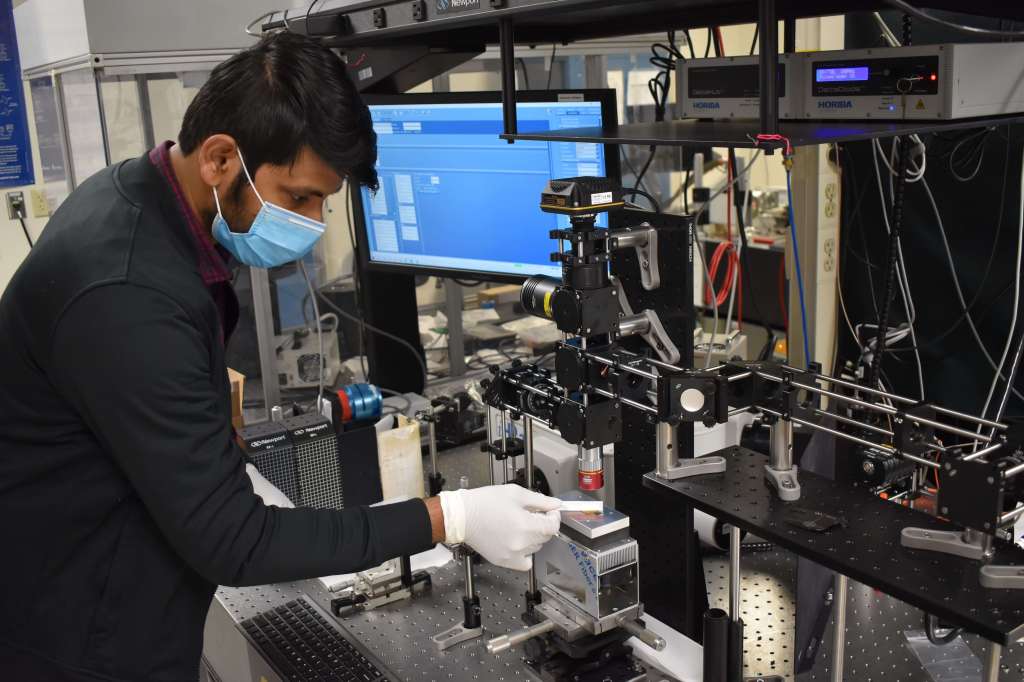
[Introduction]
Welcome to our interview-style post where we explore the fascinating world of engineering and its relevance in alternative schooling and education. Today, we have the pleasure of speaking with Dr. Emily Johnson, a renowned engineer and professor at a leading university. Dr. Johnson will shed light on the various aspects of engineering, its role in society, and how it can be incorporated into alternative education.
[Question 1: Can you explain what engineering is all about?]
Dr. Johnson: Engineering is a field that applies scientific knowledge to design, build, and innovate solutions to real-world problems. It encompasses various disciplines such as civil engineering, mechanical engineering, electrical engineering, chemical engineering, aerospace engineering, and many more. Engineers use their analytical skills to identify challenges and create practical solutions that improve people’s lives.
[Question 2: Why is it important for students to learn about engineering?]
Dr. Johnson: Learning about engineering equips students with critical thinking skills necessary for problem-solving across multiple domains. It encourages creativity by challenging individuals to think outside the box when faced with complex issues. Additionally, understanding the principles of engineering helps students develop an appreciation for technology and innovation while fostering their ability to work collaboratively within teams.
[Question 3: How can alternative schools incorporate engineering in their curriculum?]
Dr. Johnson: Alternative schools can integrate elements of hands-on learning through project-based activities centered around solving real-world problems using an engineered approach. This could involve designing structures or mechanisms using recycled materials or creating renewable energy systems from scratch.
By incorporating design thinking methodologies into their curriculum, alternative schools can encourage students’ curiosity while providing them with opportunities to apply theoretical concepts practically. Moreover, partnerships with local industries or universities could provide access to resources such as labs or mentorship programs where students can gain practical experience.
[Question 4: How does learning about different branches of engineering benefit students?]
Dr. Johnson: Exposure to different branches of engineering allows students to explore diverse fields and discover their interests. It helps them understand the range of possibilities within engineering, enabling them to make informed decisions about their future career paths. For example, a student interested in environmental conservation may find their passion lies in environmental engineering, while someone fascinated by space might pursue aerospace engineering.
[Question 5: What are some practical ways alternative schools can introduce engineering concepts?]
Dr. Johnson: Alternative schools can incorporate various hands-on activities into their curriculum. For instance, they could organize bridge-building competitions where students design and construct bridges using limited resources. This activity not only teaches basic principles of structural engineering but also instills teamwork and problem-solving skills.
Another approach is to encourage coding clubs or robotics teams where students learn programming languages and build robots that perform specific tasks. These experiences foster creativity, logical thinking, and enhance computational skills – all crucial for success in today’s technology-driven world.
[Question 6: How can alternative schools inspire more girls to pursue careers in engineering?]
Dr. Johnson: Encouraging gender diversity in the field of engineering starts with breaking down stereotypes and misconceptions associated with it. Alternative schools should actively promote female role models who have succeeded in the field while highlighting the contributions women engineers have made throughout history.
Additionally, providing mentorship programs specifically tailored for girls interested in engineering can help build confidence and provide guidance on educational pathways available to them. It’s essential to create an inclusive environment that supports and encourages young women to realize their potential without any barriers or biases.
[Question 7: Can you share examples of successful integration of engineering concepts into alternative education?]
Dr. Johnson: Certainly! One inspiring example is a project-based learning initiative at an alternative school where students worked together to design sustainable greenhouses for local communities lacking access to fresh produce year-round. This project involved elements from multiple disciplines such as civil, mechanical, electrical, and environmental engineering.
Another example is a school that introduced an engineering-focused elective course where students had the opportunity to design and build wind turbines. Through this hands-on experience, they learned about renewable energy systems while understanding the importance of sustainable practices.
[Conclusion]
Engineering offers a wealth of opportunities for alternative schools to engage students in meaningful and practical learning experiences. By incorporating engineering concepts into their curriculum, these schools can foster creativity, critical thinking, collaboration, and problem-solving skills among their students. The integration of engineering not only prepares students for future careers but also equips them with valuable life skills necessary for success in today’s rapidly evolving world.
 Alternative Amie
Leave a comment