Personalized Learning Plans: Empowering Students to Take Ownership of Their Education
In traditional education systems, students are often expected to follow a one-size-fits-all approach. However, this model fails to address the unique learning needs and interests of individual learners. As educators recognize the limitations of this standardized system, personalized learning plans have emerged as a powerful tool for transforming education.
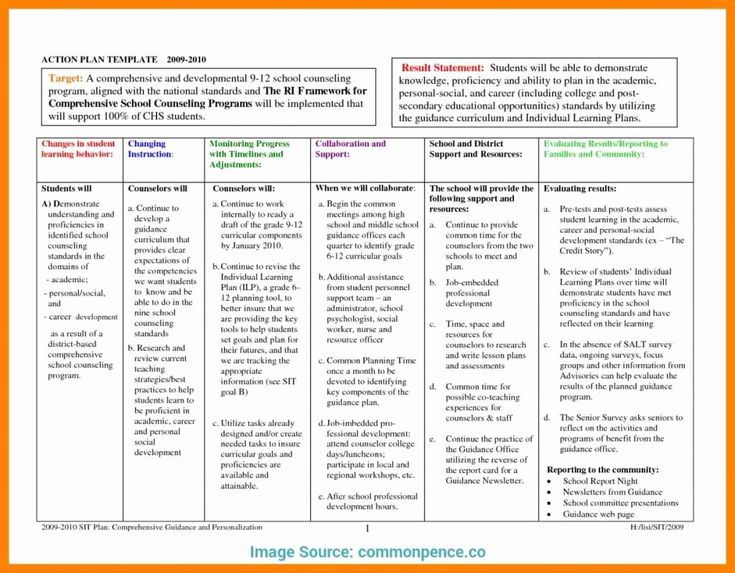
A personalized learning plan (PLP) is an individualized roadmap that guides a student’s educational journey. It takes into account their strengths, weaknesses, passions, and goals in order to create a tailored curriculum that maximizes their learning potential.
The key principle behind personalized learning plans is empowering students to take ownership of their education. Rather than being passive recipients of information, they become active participants in the learning process. With PLPs, students gain greater autonomy and responsibility for their own success.
One of the primary benefits of personalized learning plans is that they allow students to learn at their own pace. In traditional classrooms, teachers must adhere to rigid schedules and move on regardless if some students have mastered the material or need additional support. This can lead to gaps in knowledge or feelings of frustration among learners who struggle with certain concepts.
With PLPs, however, students have the flexibility to spend more time on challenging topics while moving quickly through subjects they excel in. This not only ensures a deeper understanding but also fosters confidence and motivation in learners as they experience success at their own speed.
Furthermore, personalized learning plans encourage student engagement by incorporating their interests and passions into the curriculum. By tailoring lessons around topics that resonate with them personally, students are more likely to be enthused about what they’re studying and develop a genuine love for lifelong learning.
For instance, imagine a student who loves art but struggles with math. A conventional approach might force them through hours upon hours of frustrating math exercises without offering any connection or relevance to their artistic inclinations. In contrast, a PLP would leverage their passion for art to create math problems that involve proportions and measurements in drawing or design. This way, the student can see the practical application of math in a field they enjoy, making it more engaging and meaningful.
Personalized learning plans also promote individuality and cater to diverse learning styles. In a traditional classroom, teachers often use a single teaching method that may not resonate with all students. By contrast, PLPs recognize that learners have different preferences when it comes to acquiring knowledge.
For example, some students are visual learners who understand concepts better through diagrams and charts. Others may be auditory learners who benefit from listening to lectures or discussions. With personalized learning plans, educators can incorporate various instructional methods into the curriculum based on each student’s preferred style of learning. This not only enhances comprehension but also provides an inclusive environment where every student can thrive.
Another advantage of personalized learning plans is their ability to identify and address gaps in a student’s knowledge early on. Traditional education systems typically rely on standardized tests as the primary means of assessing understanding. However, these tests often fail to capture a comprehensive picture of what each student knows or doesn’t know.
In contrast, PLPs utilize continuous assessment strategies by employing formative assessments throughout the learning process. These assessments are designed to provide immediate feedback and help both teachers and students identify areas that need improvement before they become significant obstacles.
By regularly monitoring progress and identifying gaps in comprehension or skills development, personalized learning plans allow educators to intervene promptly with targeted interventions tailored specifically for each learner’s needs. This proactive approach ensures that no student is left behind while fostering continuous growth throughout their educational journey.
While personalized learning plans offer numerous benefits for students’ academic development, implementing them effectively requires collaboration between educators, parents/guardians, and learners themselves.
Educators play a vital role as facilitators by designing engaging lessons aligned with each student’s interests and needs while providing ongoing guidance and support along the way. They must also be open to flexibility and adaptability, adjusting curriculum plans as students’ interests or goals evolve.
Parents/guardians are crucial partners in personalized learning plans as they provide valuable insights into their child’s strengths, weaknesses, and aspirations. Their involvement helps create a strong support system that reinforces the importance of education and encourages students to take ownership of their learning.
Finally, learners themselves must actively participate in developing their personalized learning plans. This involves reflecting on their strengths, areas for improvement, and setting realistic goals. By embracing responsibility for their own education, students become more invested in the process and develop essential skills such as self-motivation, time management, and critical thinking.
In conclusion, personalized learning plans have emerged as a powerful tool for transforming education by shifting from a one-size-fits-all approach to an individualized model that empowers students to take ownership of their learning journey. These plans offer numerous benefits such as customized pacing, increased student engagement through personal interests incorporation, catering to diverse learning styles, early identification of gaps in knowledge or skills development with targeted interventions available when needed most. To successfully implement these plans requires collaboration between educators, parents/guardians while actively involving learners themselves – fostering a supportive environment where everyone is committed to lifelong learning success.
 Alternative Amie
Leave a comment