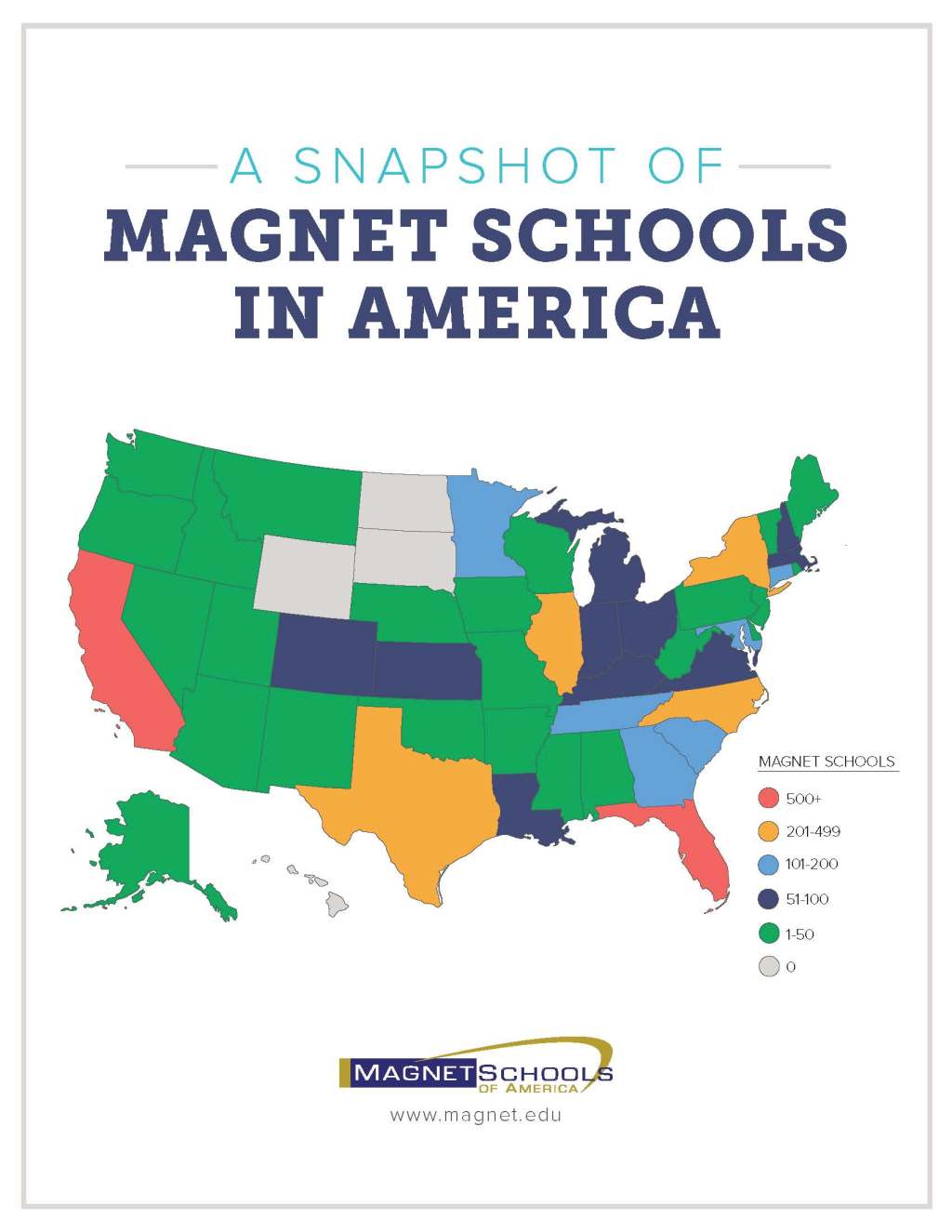
Magnet Schools: A Deep Dive into Alternative Education Options
Introduction:
In recent years, traditional public schools have faced increasing competition from alternative education models. One such model gaining popularity is magnet schools. These specialized institutions offer unique academic programs to attract students from different neighborhoods or districts. Magnet schools are designed to provide a more focused and intensive learning experience for students with specific interests or talents.
What Are Magnet Schools?
Magnet schools are public schools that offer specialized curricula and programs not typically found in traditional public schools. Their aim is to create an educational environment that nurtures students’ passions and talents while maintaining high academic standards. These schools often focus on specific subjects like science, technology, engineering, arts, or mathematics (STEM), performing arts, foreign languages, or global studies.
History and Evolution:
The concept of magnet schools originated in the late 1960s as part of efforts to desegregate American public school systems. The idea was to establish attractive educational options in predominantly minority areas to encourage voluntary integration across racial lines. These new magnet schools offered innovative programs not available in nearby neighborhood schools.
Over time, the focus shifted from solely addressing segregation issues towards providing enhanced educational opportunities for all students. Today’s magnet school movement has expanded beyond desegregation goals and now emphasizes choice-based education initiatives.
Benefits of Magnet Schools:
1. Specialized Programs: One significant advantage of magnet schools is the opportunity they provide for students to explore their interests deeply within a particular field of study. By immersing themselves in these specialized programs early on, students can gain valuable knowledge and skills that may benefit them throughout their academic journey and future careers.
2. Enhanced Learning Environment: Magnet schools tend to foster strong learning communities where teachers collaborate closely with peers who share similar pedagogical approaches and expertise within a particular subject area. This collaborative environment encourages innovation among educators and promotes effective teaching strategies.
3. Diversity: While originally intended as a means of desegregation, magnet schools continue to attract a diverse student population. By offering unique programs that appeal to students from various backgrounds and neighborhoods, these schools naturally become melting pots of cultural diversity. This exposure to different perspectives and experiences enriches the educational environment and prepares students for a global society.
4. Increased Parental Involvement: Magnet schools often require active parental involvement in their children’s education. Parents are encouraged to participate in decision-making processes, curriculum development, and school governance. This increased engagement strengthens the bond between parents, teachers, and administrators while fostering a supportive learning community.
Challenges Faced by Magnet Schools:
1. Limited Availability: One significant challenge is that not all regions have magnet schools or enough available seats to meet the demand from interested families. As a result, many students may be unable to access these specialized programs due to geographical limitations.
2. Transportation Issues: Another common hurdle for magnet school attendance is transportation logistics. Unlike neighborhood schools where most students can walk or take a short bus ride, attending a magnet school sometimes requires longer commutes or complex bus routes if the student lives outside the designated catchment area.
3. Admission Criteria: Some magnet schools enforce strict admission criteria based on academic performance or auditions for performing arts programs, making it more challenging for certain students with specific interests or talents to gain entry.
4. Funding Disparity: Magnet schools often rely on additional funding sources beyond what traditional public schools receive from local taxes and government allocations. While this financial support allows them to offer enhanced programs and resources, it also creates disparities between well-funded magnets and under-resourced neighborhood schools in terms of facilities and staff allocation.
Conclusion:
Magnet schools present an exciting alternative education option within the public schooling system by providing specialized curricula tailored towards specific subjects or disciplines. With their emphasis on individual interests, high academic standards, cultural diversity, collaborative learning environments – coupled with increased parental involvement – these schools offer students a unique and enriching educational experience. However, access to magnet schools remains limited in some regions, transportation issues persist, and admission criteria can be challenging for certain students. Addressing these challenges will ensure that magnet schools continue to thrive as valuable additions to the alternative education landscape.
 Alternative Amie
Leave a comment