Gamification in Education: A Powerful Tool for Engaging Students and Enhancing Learning
In recent years, educators have been exploring innovative ways to make learning more engaging and effective. One such approach that has gained significant attention is gamification. By integrating elements of games into the educational process, gamification aims to motivate students, foster active participation, and enhance their overall learning experience.
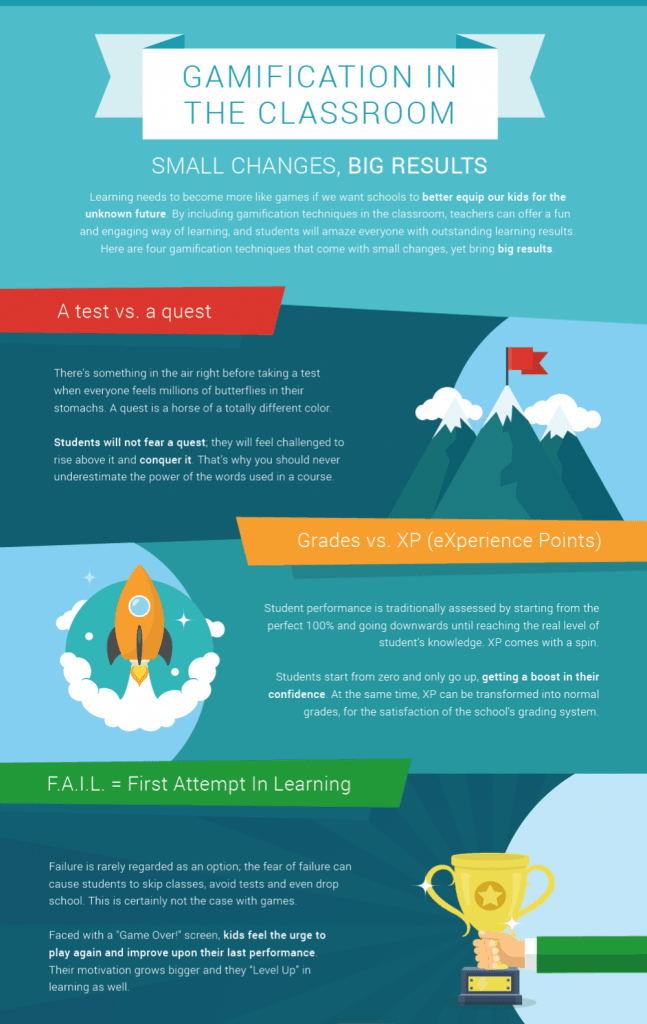
At its core, gamification involves applying game design principles and mechanics in a non-game context. This can take various forms, from incorporating points systems and leaderboards to introducing quests or challenges within lessons. The underlying idea is to tap into the intrinsic motivation that games provide – the sense of achievement, progression, competition, and rewards – to drive student engagement and increase their willingness to learn.
One key benefit of gamification is that it helps create a more immersive learning environment. By transforming traditional lessons into interactive experiences with clear goals and feedback mechanisms, students become active participants rather than passive recipients of information. This shift not only captures their interest but also encourages them to explore concepts deeply, solve problems creatively, and develop critical thinking skills.
Furthermore, gamified education can address different learning styles by providing diverse modes of interaction. For instance, visual learners may benefit from visually appealing graphics or animations incorporated into instructional materials; auditory learners may engage better through audio cues or background music; kinesthetic learners could interact physically with game-like elements such as puzzles or manipulatives.
Moreover, the incorporation of competition through leaderboards or collaborative gameplay fosters healthy peer-to-peer interaction among students. This social aspect promotes teamwork skills while encouraging friendly rivalry that motivates individuals to excel academically.
Another advantage of gamification lies in its ability to offer immediate feedback on student performance. Through real-time progress updates or virtual rewards earned during gameplay activities or assessments integrated within the system itself (e.g., quizzes), students receive instant reinforcement for their efforts. This timely feedback helps them identify areas for improvement, build self-confidence, and persist in their learning journey.
While gamification holds immense potential, it is crucial to strike a balance between game elements and educational objectives. It should not overshadow the core content or become a mere distraction. Furthermore, educators must ensure that the games align with curriculum standards and learning outcomes.
In conclusion, gamification offers an innovative approach to education that can significantly enhance student engagement and promote effective learning. By leveraging game design principles and mechanics, educators can create immersive experiences that cater to diverse learning styles while fostering collaboration, critical thinking, and immediate feedback. As technology continues to advance, the integration of gamified education has the potential to transform traditional classrooms into engaging environments that inspire students on their educational journey.
 Alternative Amie
Leave a comment