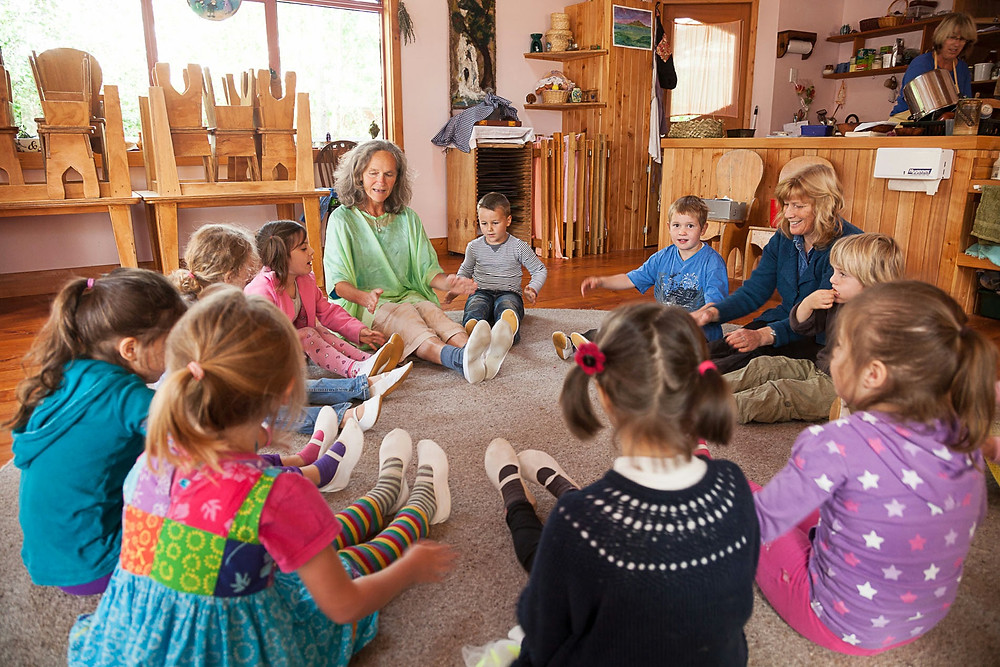
Steiner education, also known as Waldorf education, is an alternative schooling approach that focuses on the holistic development of a child. Developed by Rudolf Steiner in the early 20th century, this educational philosophy emphasizes creativity, imagination, and hands-on learning. With its unique approach to education, Steiner schools have gained popularity around the world. In this article, we will explore the top 15 reasons why Steiner education is worth considering for your child.
1. Holistic Approach: One of the key principles of Steiner education is nurturing the whole child – mind, body, and spirit. The curriculum integrates academic subjects with artistic activities such as painting, music, drama, and handcrafts to foster a well-rounded development.
👉 Check it out: Shop Holistic Health Book on Amazon
2. Child-Centered Learning: Unlike traditional approaches where teachers dictate what students should learn or achieve at certain ages or grades, Steiner education follows a more flexible approach tailored to each child’s individual needs and developmental stage.
👉 Check it out: Shop Essential Oils on Amazon
3. Focus on Imagination and Creativity: Steiner schools emphasize imaginative play and creative expression as essential components of learning. These activities help children develop their problem-solving skills while encouraging independent thinking.
4. Delayed Academics: Instead of starting formal academics at an early age like many other systems do today (such as reading and writing), Steiner education believes in delaying these activities until children reach an appropriate developmental stage when they are ready to grasp abstract concepts easily.
5. Main Lesson Blocks: In Steiner schools’ main lesson blocks lasting several weeks or months are dedicated to exploring specific subjects in-depth using interdisciplinary methods. This allows students to immerse themselves fully in a topic before moving on to another one.
6. Storytelling: Stories play a significant role in a Waldorf classroom as they engage children’s imagination while teaching various subjects from history to science through narratives rather than textbooks alone.
7. No Standardized Testing: As part of their holistic approach, Steiner schools typically do not administer standardized tests. Instead, assessments are based on the teacher’s observations and qualitative evaluations of a student’s progress.
8. Focus on Nature: Steiner education emphasizes the importance of connecting with nature and the environment. Outdoor activities, gardening, and nature exploration are integrated into the curriculum to foster an appreciation for the natural world.
9. Emotional Intelligence: A strong emphasis is placed on fostering emotional intelligence in Steiner education. Children learn empathy, self-awareness, and conflict resolution skills through daily interactions and collaborative projects.
10. Hands-On Learning: Steiner schools value experiential learning where students actively engage in practical tasks such as cooking, woodworking, gardening, or knitting. This approach helps develop fine motor skills while encouraging creativity and problem-solving abilities.
11. Limited Use of Technology: In contrast to many modern educational systems heavily reliant on technology, Steiner education limits screen time in early childhood years to allow children’s imaginations to flourish without external stimuli.
12. Community Involvement: Steiner schools often prioritize building a strong sense of community among students, teachers, parents, and staff members through regular gatherings like festivals or parent-teacher meetings that encourage collaboration and support networks.
13. Multicultural Awareness: Recognizing the importance of global citizenship in today’s interconnected world; many Waldorf schools incorporate multicultural studies into their curriculum to promote understanding and appreciation for diverse cultures.
14. Gradual Introduction to Technology: While technology is limited during early years at a Waldorf school; it gradually becomes more prominent as students reach higher grades where they can explore its benefits responsibly under guided supervision.
15. Lifelong Love for Learning: Perhaps one of the greatest advantages of a Steiner education is instilling a love for lifelong learning in students by cultivating curiosity instead of focusing solely on academic achievement or performance-based goals.
In conclusion; choosing an alternative educational approach like Steiner/Waldorf education can offer a unique and enriching experience for your child. From its holistic approach to child-centered learning, emphasis on imagination and creativity, and fostering emotional intelligence – Steiner education prioritizes the overall development of each student while encouraging a lifelong love for learning.
🛒 Recommended Products
As an Amazon Associate, we earn from qualifying purchases.
Disclosure: This post contains Amazon affiliate links. As an Amazon Associate, we earn from qualifying purchases at no additional cost to you.
 Alternative Amie
Leave a comment