Socratic Seminars: Unleashing the Power of History Class Discussions
History class. The words alone are enough to make some students break out in a cold sweat. Endless lectures, droning teachers, and textbooks that seem to have been written in ancient hieroglyphics. But what if I told you there was a way to revolutionize history class? A way to turn those boring lectures into engaging and thought-provoking discussions? Enter the Socratic seminar.
Now, before you dismiss this as just another educational fad, let me assure you that Socratic seminars are anything but. In fact, they have been around for centuries, dating back to the days of ancient Greece. Named after the great philosopher Socrates himself, these seminars provide an opportunity for students to delve deep into historical topics through lively conversations and debates.
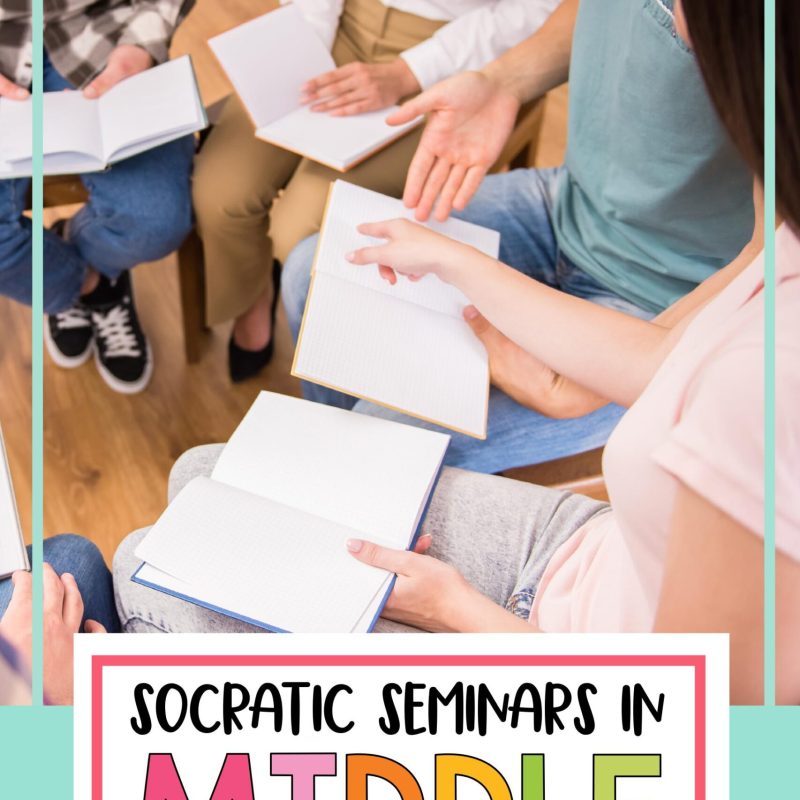
So how does it work? Well, picture this: instead of sitting in rows listening passively to your teacher’s monologue, you’re sitting in a circle with your classmates engaged in a lively discussion about World War II or the French Revolution. No longer are you merely regurgitating facts from a textbook; instead, you’re actively analyzing primary sources, critically evaluating arguments, and forming your own opinions based on evidence.
The beauty of Socratic seminars lies in their simplicity. There are no fancy gadgets or expensive materials required—just willing participants and an open mind. The teacher acts as more of a facilitator rather than a lecturer, guiding the conversation with probing questions while allowing students to take ownership of their learning.
One key aspect of Socratic seminars is their emphasis on respectful dialogue. Gone are the days when shouting over one another was considered acceptable classroom behavior (although we all know how fun that can be). Instead, students learn proper etiquette for participating in discussions—listening attentively to others’ viewpoints before respectfully voicing their own.
But why should we bother with all this effort? Well, aside from making history class more enjoyable (and trust me, that’s reason enough), Socratic seminars have a multitude of benefits for students.
First and foremost, they foster critical thinking skills. By examining historical events from multiple perspectives and engaging in thoughtful dialogue, students are forced to analyze evidence, evaluate arguments, and develop logical reasoning. These skills not only enhance their understanding of history but also carry over into other subjects and real-life situations.
Socratic seminars also promote active participation. Instead of the usual suspects monopolizing class discussions while the rest of us daydream about lunch, everyone has an equal opportunity to contribute. This inclusive environment boosts confidence and encourages shy or introverted students to share their thoughts without fear of judgment.
Moreover, Socratic seminars cultivate effective communication skills. In today’s world where face-to-face conversations are increasingly being replaced by text messages and emojis, it’s crucial for students to learn how to express themselves articulately and respectfully. Through these discussions, they practice listening actively, formulating coherent arguments on the spot, and responding thoughtfully to others’ opinions—a skill set that will serve them well throughout their lives.
Let’s not forget about empathy either. History is full of stories—triumphs and tragedies alike—and through Socratic seminars, students gain a deeper appreciation for the complexities of human experiences across time periods and cultures. They learn to see beyond black-and-white narratives by exploring diverse perspectives and grappling with ethical dilemmas presented by historical events.
Now that we’ve established why Socratic seminars are so valuable let’s get down to brass tacks: how do you actually implement them in your history class? Well fear not; I’m here with some handy tips!
Firstly, start small. Introduce shorter seminar-style discussions before diving headfirst into hour-long debates on controversial topics. Allow students time to adjust to this new format gradually so as not to overwhelm them.
Secondly, set clear expectations. Establish guidelines for participation, respectful dialogue, and active listening from the get-go. Encourage students to come prepared with evidence or questions related to the topic at hand, fostering a sense of responsibility for their own learning.
Thirdly, select carefully curated primary sources. A successful Socratic seminar relies heavily on quality materials that spark curiosity and invite discussion. Choose documents, photographs, or videos that present different perspectives and encourage critical thinking.
Lastly, don’t be afraid to deviate from the script. While it’s important to have guiding questions in mind as a facilitator, allow the conversation to flow naturally rather than rigidly sticking to an agenda. Sometimes the most insightful moments arise spontaneously when students explore tangents or challenge conventional wisdom.
So there you have it—the magical world of Socratic seminars in history class. No longer will you dread those long lectures; instead, you’ll eagerly anticipate engaging discussions where your voice is heard and valued. History will come alive as you grapple with big ideas and gain a deeper understanding of the past.
So go forth, my fellow history enthusiasts! Embrace this innovative approach and revolutionize your classroom experience through lively conversations like our ancient Greek predecessors did centuries ago (minus all the togas). Your journey towards becoming an informed citizen of both past and present awaits!
 Alternative Amie
Leave a comment