Maker Education and STEAM Learning: Nurturing Creativity and Innovation in Alternative Schooling
Introduction:
In recent years, there has been a growing interest in alternative schooling approaches that emphasize hands-on learning experiences. One such approach gaining popularity is Maker education, which integrates science, technology, engineering, art, and mathematics (STEM) with the creative process of making things. By providing students with opportunities to engage in real-world problem-solving through experimentation and collaboration, Maker education fosters creativity and innovation while enhancing critical thinking skills. In this article, we will explore the principles behind Maker education and its role in nurturing a new generation of learners.
Understanding Maker Education:
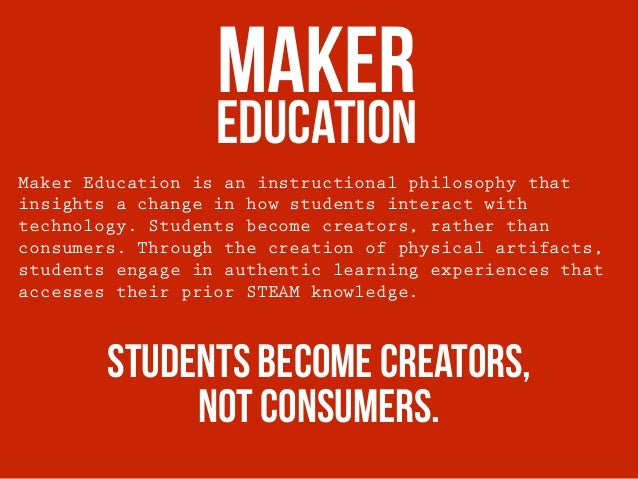
At its core, Maker education emphasizes learning by doing. It encourages students to become active creators rather than passive consumers of knowledge. Through a combination of project-based learning, tinkering with materials and tools, as well as collaborative problem-solving activities, students are empowered to take ownership of their educational journey.
The Benefits of Maker Education:
1. Encourages Creativity:
One key benefit of Maker education is its ability to unleash creativity among students. By engaging in open-ended projects where there are no right or wrong answers but endless possibilities for exploration and discovery, students can develop their imagination and think outside the box.
2. Fosters Critical Thinking Skills:
Maker education places an emphasis on problem-solving skills through trial-and-error processes. Students learn how to analyze challenges from multiple angles and devise innovative solutions through iterative prototyping.
3. Builds Resilience:
Making mistakes is an important part of the learning process within a maker environment. When faced with failures or setbacks during project development or experimentation phases, students develop resilience by persevering until they find solutions or alternative approaches.
4. Enhances Collaboration:
Collaboration is another central aspect of maker culture; it promotes teamwork among students as they work together on shared projects or tasks that require diverse skill sets. This collaborative experience nurtures effective communication, empathy, and the ability to work in diverse teams.
Integrating STEAM Learning:
Maker education incorporates the interdisciplinary principles of STEAM learning: Science, Technology, Engineering, Art, and Mathematics. By integrating these subjects into hands-on projects, students gain a holistic understanding of these disciplines and how they intersect in real-world applications.
1. Science:
Science is at the heart of Maker education as students engage in experiments and scientific inquiry to understand natural phenomena. They learn about scientific methods while exploring questions related to their projects.
2. Technology:
Technology plays a crucial role in Maker education by providing tools such as 3D printers, laser cutters, microcontrollers (Arduino or Raspberry Pi), coding platforms like Scratch or Python that enable students to bring their ideas to life through digital fabrication and programming.
3. Engineering:
Engineering principles are ingrained within Maker education as students design prototypes or build structures using various materials and techniques. They develop critical skills such as problem decomposition, systems thinking, iteration processes, and optimization strategies.
4. Art:
Artistic expression is an essential aspect of Maker education; it encourages students to explore aesthetics while incorporating design thinking into their projects. Students can experiment with different art forms like sculpture or digital media alongside technical components.
5. Mathematics:
Mathematics underpins many aspects of Maker education – from measurements required for building structures to complex calculations involved in coding algorithms or designing circuits. Students naturally encounter mathematical concepts amidst their making process.
Implementing Maker Education:
To implement successful maker programs within alternative schooling environments requires careful planning and support from educators:
1. Professional Development for Educators:
Teachers should receive training on how to integrate maker activities into the curriculum effectively. This may involve workshops on project-based learning approaches, technology utilization (including hardware/software), safety protocols when working with tools/materials, assessment strategies specific to maker projects etc.
2.Supportive Learning Environments:
Creating dedicated spaces equipped with tools, materials, and technology is essential to foster a maker culture. These spaces can be makerspaces or Fab Labs that allow students to access various resources for their projects.
3. Collaboration and Community Engagement:
Collaboration with local communities, experts, and professionals in relevant fields can provide valuable mentorship opportunities for students. Additionally, involving parents or caregivers in the maker process through open-house events helps build community ties and support.
4. Assessment Strategies:
Traditional assessment methods may not fully capture the learning experiences within Maker education. Educators should develop alternative assessment strategies that focus on process-oriented evaluations rather than just final products. This could include reflective journals, portfolio assessments showcasing iterative processes, peer feedback mechanisms etc.
Conclusion:
Maker education represents a promising approach to alternative schooling by embracing hands-on learning experiences that nurture creativity, critical thinking skills, resilience, and collaboration among students. By integrating STEAM principles into project-based activities within supportive environments, educators can cultivate a new generation of learners who are well-equipped to navigate complex challenges while fostering innovation and problem-solving abilities. As we continue to explore innovative approaches to education, Maker education stands out as an effective method for preparing students for the demands of our ever-evolving world.
 Alternative Amie
Leave a comment