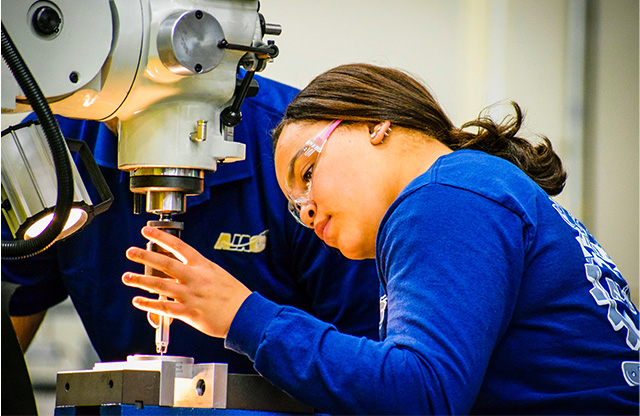
The Role of Mentorship in Apprenticeship
In the realm of alternative schooling and education, apprenticeship programs have gained recognition for their ability to provide hands-on learning experiences outside of traditional classroom settings. These programs offer students the opportunity to learn valuable skills directly from experienced professionals in various fields. While the curriculum and structure of an apprenticeship program are essential, it is the role of mentorship that truly sets these programs apart.
Mentorship plays a crucial role in shaping the success and overall experience of apprentices. A mentor serves as a guide, teacher, and advocate for their mentees, providing them with personalized support throughout their journey. The benefits of having a mentor during an apprenticeship are numerous and far-reaching.
Firstly, mentors bring real-world expertise and industry knowledge to the table. Unlike teachers who may be limited by theoretical concepts or outdated practices, mentors provide insights into current trends and best practices within their field. They can share practical advice based on their own experiences, helping apprentices develop a deeper understanding of what it takes to succeed professionally.
Additionally, mentors serve as role models for aspiring students. By observing successful professionals in action, apprentices gain inspiration and motivation to strive for excellence themselves. Mentors embody professionalism, integrity, discipline, perseverance – qualities that are invaluable when it comes to personal growth and career development.
Moreover, mentorship fosters a supportive learning environment where mistakes are seen as opportunities for growth rather than failures. Apprentices often encounter challenges along their journey but having a mentor by their side ensures they have someone knowledgeable to turn to during difficult times. Mentors can offer guidance on problem-solving techniques or share stories about how they overcame similar obstacles in their own careers.
One significant aspect that distinguishes mentorship from traditional teaching methods is its emphasis on individualized attention and customization. In classrooms with multiple students vying for attention from one teacher alone can sometimes lead some learners feeling overlooked or struggling silently with specific concepts. Conversely, apprenticeship programs with mentorship at the core provide a personalized learning experience tailored to each individual’s needs and aspirations.
Mentors have the ability to identify their mentees’ strengths, weaknesses, and areas of interest more intimately. With this knowledge, they can then design learning opportunities that align with the apprentice’s goals. Whether it is assigning specific projects or providing additional resources for further exploration, mentors ensure that apprentices receive targeted guidance that maximizes their growth potential.
Furthermore, mentorship in apprenticeship builds a strong network within the industry. Mentors often occupy influential positions within their respective fields and can open doors for their mentees through connections and networking opportunities. This network can prove invaluable when seeking employment or exploring future career options after completing an apprenticeship program.
In addition to professional development, mentorship also nurtures personal growth among apprentices. Mentors act as confidants and sounding boards for their mentees’ ideas and concerns – both academic and personal. They offer emotional support during challenging times and celebrate successes alongside their mentees. Through this bond, mentors help shape well-rounded individuals who are not only competent professionals but also possess essential life skills such as resilience, adaptability, empathy, and effective communication.
It is important to note that mentorship is a reciprocal relationship where both parties benefit from the exchange of knowledge and experiences. While mentors guide apprentices on their path toward success, they also gain fresh perspectives from younger generations entering the workforce armed with new ideas and technological advancements.
In conclusion, mentorship plays a pivotal role in shaping the overall experience of students in apprenticeship programs. The guidance provided by mentors goes beyond textbook knowledge; it instills practical skills while fostering personal growth in aspiring professionals. The real-world expertise offered by mentors helps bridge the gap between theory and practice while serving as role models for success.
Through personalized attention and customized learning experiences tailored to each individual’s needs, mentors empower students with valuable skills and industry knowledge. Additionally, mentorship builds strong networks within the industry, opening doors for future career opportunities. Ultimately, mentorship is a mutually beneficial relationship that creates competent professionals and well-rounded individuals ready to make their mark in the world.
 Alternative Amie
Leave a comment