Classroom organization plays a crucial role in creating an effective learning environment. A well-organized classroom can enhance students’ engagement, productivity, and overall academic success. In this Q&A style post, we will explore various aspects of classroom organization, including physical space arrangement, storage solutions, and strategies for maintaining order.
Q: Why is classroom organization important?
A: Classroom organization is vital for several reasons. Firstly, a well-organized classroom promotes efficiency and maximizes instructional time. When materials are readily accessible and the physical layout facilitates smooth transitions between activities, teachers can focus on teaching rather than searching for resources or managing disruptions.
Secondly, an organized classroom helps establish clear expectations and routines. Students thrive when they know where to find materials, how to navigate the space effectively, and what behavior is expected of them in different areas of the room. Predictability fosters a sense of stability and security that supports students’ emotional well-being.
Lastly, effective organization contributes to student learning. A clutter-free environment reduces distractions and allows students to concentrate on their tasks. It also enhances visual appeal by showcasing student work or displaying educational resources in an aesthetically pleasing manner.
Q: How should I arrange my classroom furniture?
A: The arrangement of furniture depends on your teaching style and the age group you teach. However, there are some general guidelines that can help create an optimal learning environment:
1. Consider traffic flow: Arrange desks or tables so that movement within the room is unobstructed. Avoid placing furniture near doorways or high-traffic areas to prevent congestion during transitions.
2. Promote collaboration: Group desks together if collaborative work is encouraged in your teaching approach. This setup encourages peer interaction and cooperative learning opportunities.
3. Create designated spaces: Set aside specific areas for different purposes such as reading corners, quiet zones for independent work or reflection, small group discussion areas with comfortable seating arrangements etc.
4. Ensure visibility: Position your own desk strategically so that you have a clear line of sight to monitor students’ activities and maintain classroom management.
Q: How can I effectively manage classroom supplies and materials?
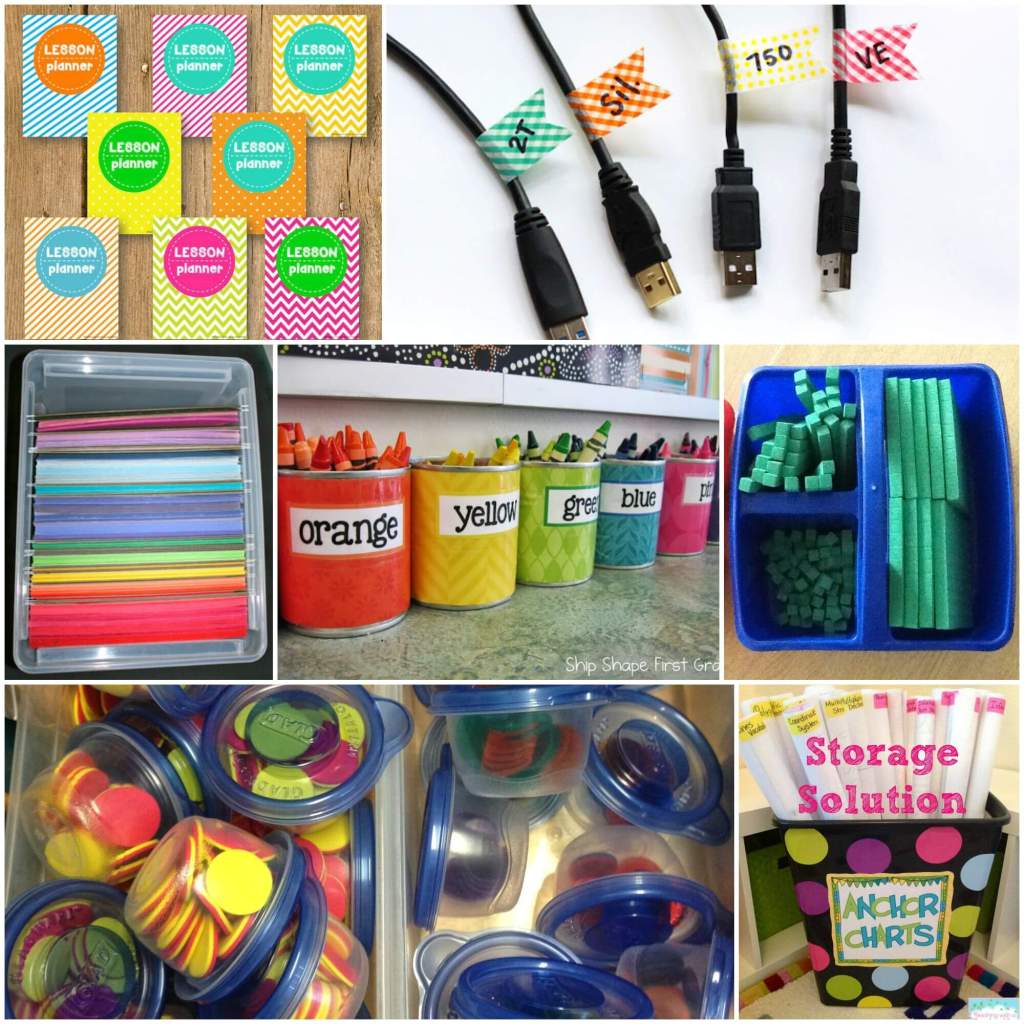
A: Keeping classroom supplies organized is essential for efficient access and time-saving. Here are some strategies:
1. Categorize materials: Sort supplies into categories such as writing tools, art supplies, manipulatives, etc. Use labeled bins or shelves to store each category separately.
2. Provide student storage options: Assign individual storage spaces like cubbies or labeled bins for students to keep their personal belongings and frequently used materials.
3. Utilize shared resources: Implement a system where communal resources like textbooks, calculators, or science equipment are stored in accessible areas for students to retrieve when needed.
4. Regular maintenance: Establish routines for tidying up the supply area at the end of each lesson or day. Teach students how to organize and put things back in their designated places.
5. Inventory management: Conduct periodic inventories to ensure required supplies are always available and replenish stock as necessary.
Q: How can I maintain an organized classroom throughout the school year?
A: Maintaining an organized classroom requires consistent effort from both the teacher and the students:
1. Model organization skills: Be a role model by demonstrating tidy habits, keeping your workspace clean, and following established organizational systems yourself.
2. Teach organization explicitly: Dedicate time at the beginning of the school year (or whenever needed) to teach organizational skills explicitly – how to use storage systems effectively, how to sort materials efficiently etc.
3. Set expectations with clear procedures: Establish clear procedures for transitions between activities, material distribution, cleanup routines etc., ensuring that all students understand what is expected of them during these processes.
4. Regular decluttering sessions: Schedule regular decluttering sessions throughout the year where you review items in different areas of your classroom together with your students – discarding or recycling unnecessary materials.
5. Involve students in maintenance: Encourage student involvement in maintaining classroom organization by assigning them roles like supply manager, clean-up crew, or library monitor. This shared responsibility instills a sense of ownership and accountability among students.
In conclusion, effective classroom organization is essential for creating an optimal learning environment. By carefully arranging furniture, managing supplies efficiently, and consistently maintaining order throughout the school year, teachers can enhance student engagement and promote academic success.
 Alternative Amie
Leave a comment