In today’s digital age, technology has become an integral part of our lives. It has revolutionized various aspects of society, including education. One significant way in which technology is transforming the educational landscape is through immersive learning experiences. Immersion allows students to engage deeply with the subject matter and enhances their understanding and retention of information. Here are some ways in which technology facilitates immersion in education:
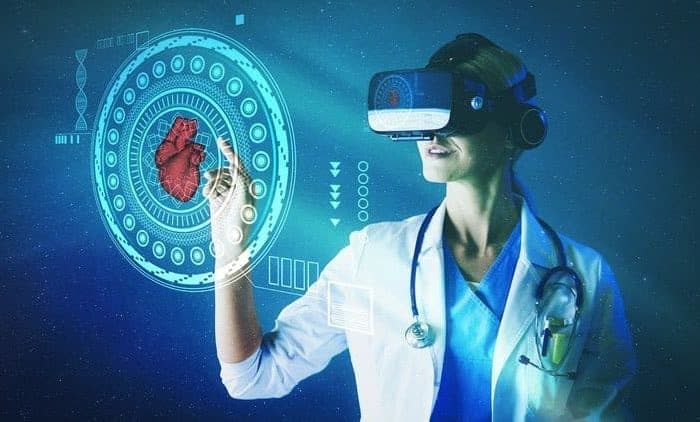
1. Virtual Reality (VR): VR technology provides students with simulated environments that replicate real-world scenarios or historical events. For example, history classes can transport students to ancient civilizations using VR headsets, allowing them to explore architectural marvels or witness significant events firsthand. This immersive experience sparks curiosity and fosters a deeper connection with the subject matter.
2. Augmented Reality (AR): AR overlays digital content onto the real world, enhancing the learning experience by making it interactive and engaging. For instance, biology classes can use AR apps to superimpose 3D models of organs on printed textbooks, enabling students to examine them from different angles and dissect virtually without any mess or limitations.
3. Gamification: Gamifying education involves incorporating game elements into learning activities to promote engagement and motivation among students. Educational games help create immersive experiences by presenting challenges and rewards that encourage active participation while reinforcing concepts being taught.
4. Online Collaborative Platforms: Technology enables students from diverse backgrounds to connect and collaborate online through platforms like Google Classroom or Microsoft Teams. These platforms allow for virtual discussions, group projects, document sharing, and instant feedback from teachers or peers – all contributing to a more immersive learning environment.
5. Interactive Learning Apps: There is an abundance of educational apps available that offer interactive lessons across various subjects such as math, science, languages, etc., catering to different age groups and learning styles. These apps often utilize multimedia elements like videos, quizzes, animations, and simulations that captivate learners’ attention while facilitating better comprehension.
6.Virtual Field Trips: Traditionally, field trips have been limited by logistical constraints and costs. However, technology has made it possible for students to embark on virtual field trips to different parts of the world or even outer space. Exploring these locations through 360-degree videos or live-streamed experiences immerses students in new cultures, environments, and scientific discoveries.
Incorporating immersive technologies into education not only makes learning more captivating but also enhances critical thinking skills, creativity, problem-solving abilities, and teamwork among students. As technology continues to advance, the opportunities for immersive learning will continue to expand – providing alternative schooling and education with exciting possibilities for the future.
 Alternative Amie
Leave a comment