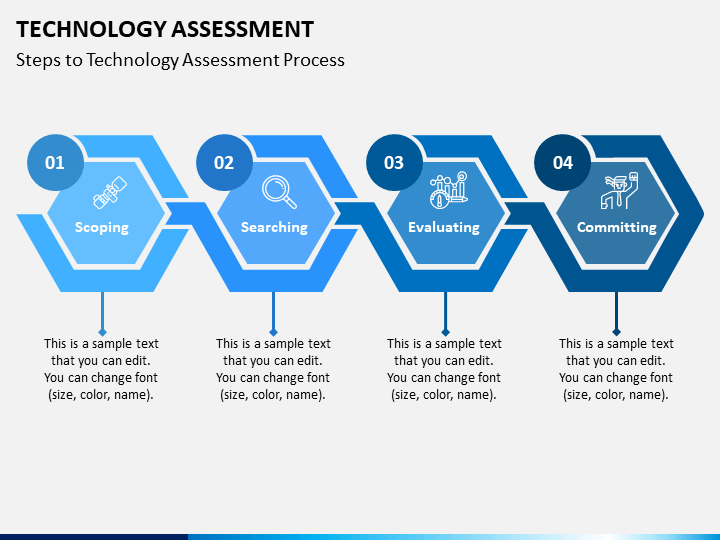
In today’s technology-driven world, assessments have also evolved to keep up with the times. Technology-based assessments are becoming increasingly popular in alternative schooling and education as they offer various benefits for both students and educators. These assessments utilize digital platforms, tools, and devices to measure learning outcomes and gauge student progress. Here are ten noteworthy technology-based assessments that are shaping the future of education:
1. Online quizzes: These quick and easy-to-administer assessments allow students to test their knowledge on specific topics instantly.
2. Gamified assessments: By incorporating game elements such as badges, leaderboards, or leveling up, gamified assessments engage students by making learning interactive and fun.
3. Virtual simulations: Simulations provide a realistic environment where students can apply their knowledge to solve real-world problems in a risk-free setting.
4. Multimedia projects: Students can showcase their understanding through multimedia presentations, videos, or podcasts instead of traditional written assignments.
5. Adaptive testing: This assessment method adjusts the difficulty level based on a student’s responses in real-time, providing personalized feedback tailored to individual needs.
6. Interactive whiteboards: With touch-sensitive screens that integrate multimedia content and collaborative features, interactive whiteboards enhance classroom engagement during discussions or group activities.
7. Learning management systems (LMS): LMS platforms like Google Classroom or Moodle streamline assessment processes by allowing teachers to create online assignments and collect student work digitally.
8. Digital portfolios: Instead of traditional paper portfolios, digital platforms enable students to compile evidence of their achievements over time using images, videos, documents, etc., showcasing growth across multiple subjects or skills.
9. Augmented Reality (AR) applications: AR enhances learning experiences by overlaying digital content onto the physical world through smartphones or tablets—making abstract concepts more tangible for students.
10.Virtual reality (VR) field trips: VR immerses students in virtual environments that simulate real-world scenarios inaccessible otherwise due to distance or cost limitations—for example, exploring ancient civilizations or diving into the depths of the ocean.
These technology-based assessments offer numerous advantages, including increased engagement, immediate feedback, personalized learning experiences, and opportunities for creativity. By integrating these tools into alternative schooling and education settings, educators can better assess student progress while fostering a dynamic and interactive learning environment. As technology continues to advance rapidly, so too will the possibilities for innovative assessment methods that cater to the diverse needs of students in today’s digital age.
 Alternative Amie
Leave a comment