Open educational resources (OER) have revolutionized the way education is accessed and delivered. With the advancement of technology and the internet, educators and students now have access to a wide range of free and openly licensed resources that can be used for teaching, learning, and assessment purposes. OER not only provide cost-effective solutions but also promote inclusivity by catering to diverse learners’ needs.
In this article, we will explore how OER can be utilized in various educational contexts to support special needs students, vocational training and skills development, alternative assessment methods, project-based learning, outdoor and experiential education, art and creativity in education, social-emotional learning (SEL), inclusive education practices, indigenous knowledge preservation, as well as non-traditional subjects.
1. Open Educational Resources for Special Needs Students:
Special needs students require tailored resources to meet their unique learning requirements. OER can play a significant role in supporting their educational journey. These resources could include accessible textbooks with adjustable text size or font color for visually impaired individuals or audio versions of texts for those with reading difficulties. Additionally, interactive multimedia materials such as videos or simulations can engage learners with different sensory preferences.
2. Open Educational Resources for Vocational Training and Skills Development:
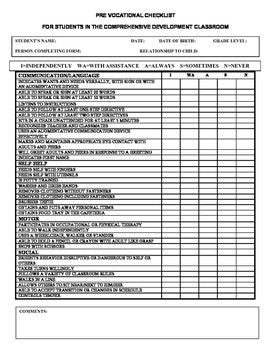
Vocational training equips individuals with practical skills necessary for employment opportunities in specific industries. OER provides an avenue to access free training materials that cover a wide range of vocations such as carpentry, plumbing, culinary arts, graphic design etc., thereby eliminating financial barriers to acquiring these valuable skills.
3. Open Educational Resources for Alternative Assessment Methods:
Traditional assessment methods often focus on standardized tests or written exams which may not effectively measure certain types of knowledge or skills. OER offers alternative assessment options like portfolios where students compile examples of their work over time to demonstrate growth or competency-based assessments which evaluate specific skills rather than overall performance.
4. Open Educational Resources for Project-Based Learning:
Project-based learning (PBL) emphasizes hands-on, real-world experiences that foster critical thinking and problem-solving skills. OER can provide project ideas, guidelines, and resources necessary for students to explore topics of interest in depth. These resources may include project templates, research materials, or even collaboration tools to facilitate group work.
5. Open Educational Resources for Outdoor and Experiential Education:
Outdoor and experiential education encourage learning through direct experience in natural environments. OER can offer lesson plans, instructional videos, or field guides that support educators in designing outdoor activities tailored to specific learning outcomes. Additionally, online platforms can connect learners with experts who share their knowledge about ecology, wildlife conservation, or other related subjects.
6. Open Educational Resources for Art and Creativity in Education:
Art education fosters creativity and self-expression among students while developing diverse skills such as visual communication or problem-solving abilities. OER can provide access to a vast array of art resources including tutorials on different artistic techniques like painting or sculpture-making as well as virtual galleries showcasing artworks from various cultures throughout history.
7. Open Educational Resources for Social-Emotional Learning:
Social-emotional learning (SEL) focuses on developing interpersonal skills such as empathy, self-awareness, and conflict resolution abilities. OER can contribute by offering resources like lesson plans centered around SEL themes or interactive activities promoting emotional intelligence development.
8. Open Educational Resources for Inclusive Education Practices:
Inclusive education aims to provide equal educational opportunities for all students regardless of their backgrounds or abilities. OER supports inclusive practices by providing adaptable resources suitable for learners with diverse needs such as multilingual materials or accessibility features like closed captions in videos.
9.Open Educational Resources for Indigenous Knowledge and Cultural Preservation:
Indigenous knowledge systems are rich sources of wisdom encompassing traditional practices, beliefs, languages, etc., passed down through generations within specific communities. OER helps preserve this knowledge by creating digital repositories where indigenous communities can share their cultural resources, including oral histories, traditional stories, or medicinal plant guides.
10. Open Educational Resources for Non-Traditional Subjects:
Non-traditional subjects cover a wide range of topics not typically found in mainstream educational curricula. OER can offer resources on alternative schooling approaches like Montessori or Waldorf education, as well as unconventional subjects such as mindfulness and meditation practices, entrepreneurship, coding, or sustainable living.
In conclusion, Open Educational Resources (OER) have the potential to transform education by providing accessible and inclusive learning materials across a variety of contexts. Whether it is supporting special needs students, vocational training and skills development, alternative assessment methods, project-based learning, outdoor and experiential education, art and creativity in education; promoting social-emotional learning or inclusive practices; preserving indigenous knowledge and culture; or exploring non-traditional subjects – OER offers endless possibilities for educators to enhance teaching practices and engage learners effectively.
 Alternative Amie
Leave a comment