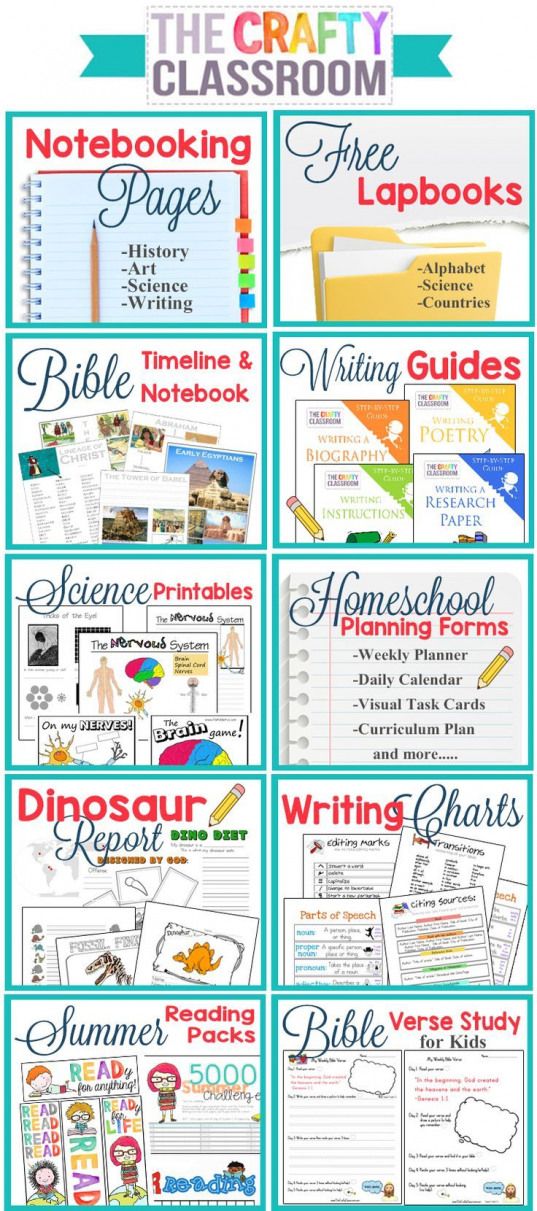
Homeschooling has become an increasingly popular choice for parents seeking alternative forms of education for their children. Whether it’s due to personal beliefs, dissatisfaction with traditional schooling systems, or the need for a flexible schedule, homeschooling provides a unique opportunity for parents to take control of their child’s education. However, embarking on this journey can be overwhelming without proper resources and support. In this article, we will explore some essential homeschooling resources that can help make your homeschooling experience successful and fulfilling.
1. Curricula: Choosing the right curriculum is crucial in ensuring your child receives a well-rounded education at home. There are various options available, ranging from pre-packaged curricula that cover all subjects to individual subject-based curricula. Some popular choices include Sonlight, Time4Learning, and Calvert Education. Before making a decision, consider your child’s learning style and interests to find a curriculum that aligns with their needs.
2. Online Learning Platforms: The internet offers numerous online learning platforms designed specifically for homeschoolers. These platforms provide interactive lessons across different subjects and grade levels, allowing students to learn independently while still receiving guidance from qualified teachers. Khan Academy, ABCmouse.com Early Learning Academy, and Outschool are just a few examples of excellent online resources available.
3. Libraries: Public libraries are treasure troves of educational materials that can enhance your homeschooling efforts without breaking the bank! They offer access to books covering various topics and levels as well as educational DVDs and audiobooks. Additionally, many libraries organize reading clubs or book discussion groups where homeschooled children can interact with peers.
4. Co-ops: Homeschool cooperatives (co-ops) bring together families who educate their children at home to share resources, knowledge, and experiences in a collaborative setting. Co-ops often offer group classes taught by parent volunteers or specialized instructors in areas such as art, music, science experiments or foreign languages. These cooperative efforts provide socialization opportunities and foster a sense of community for both parents and children alike.
5. Online Communities: Connecting with other homeschooling families through online communities can be invaluable for support, advice, and sharing resources. Facebook groups dedicated to homeschoolers, forums like The Well-Trained Mind Community, and websites such as Homeschool.com offer platforms for networking with other homeschooling parents. These communities often share information about local events, field trips, and group activities that allow homeschooled children to interact with their peers.
6. Field Trips: One of the advantages of homeschooling is the flexibility to explore learning beyond textbooks. Take advantage of this by planning regular field trips related to your child’s interests or subjects they are studying. Museums, historical sites, science centers, zoos, and nature reserves offer hands-on experiences that bring learning to life outside the traditional classroom setting.
7. Local Resources: Don’t forget about the wealth of resources available in your local community! Many towns have educational programs specifically designed for homeschoolers at libraries or community centers. Additionally, consider reaching out to professionals in various fields who may be willing to give presentations or provide mentorship opportunities for your child.
8. Online Tutoring Services: If you feel overwhelmed teaching certain subjects or need additional support in specific areas of study, online tutoring services can be a valuable resource. Websites like Wyzant and Tutor.com connect students with qualified tutors who can provide personalized guidance tailored to individual needs.
Remember that every child is unique; what works well for one family may not work for another when it comes to homeschooling resources. It’s essential to experiment with different approaches until you find what best suits your child’s learning style and interests while considering your own strengths as an educator.
In conclusion, embarking on a homeschooling journey requires careful consideration but is ultimately rewarding when armed with adequate resources and support systems. From curricula options and online platforms to libraries, co-ops, and local resources, there are plenty of tools available to make your homeschooling experience successful. Remember to stay connected with other homeschooling families through online communities and take advantage of field trips to provide real-world learning experiences. With the right resources at hand, you can create a customized education for your child that nurtures their strengths and passions while ensuring academic growth.
 Alternative Amie
Leave a comment