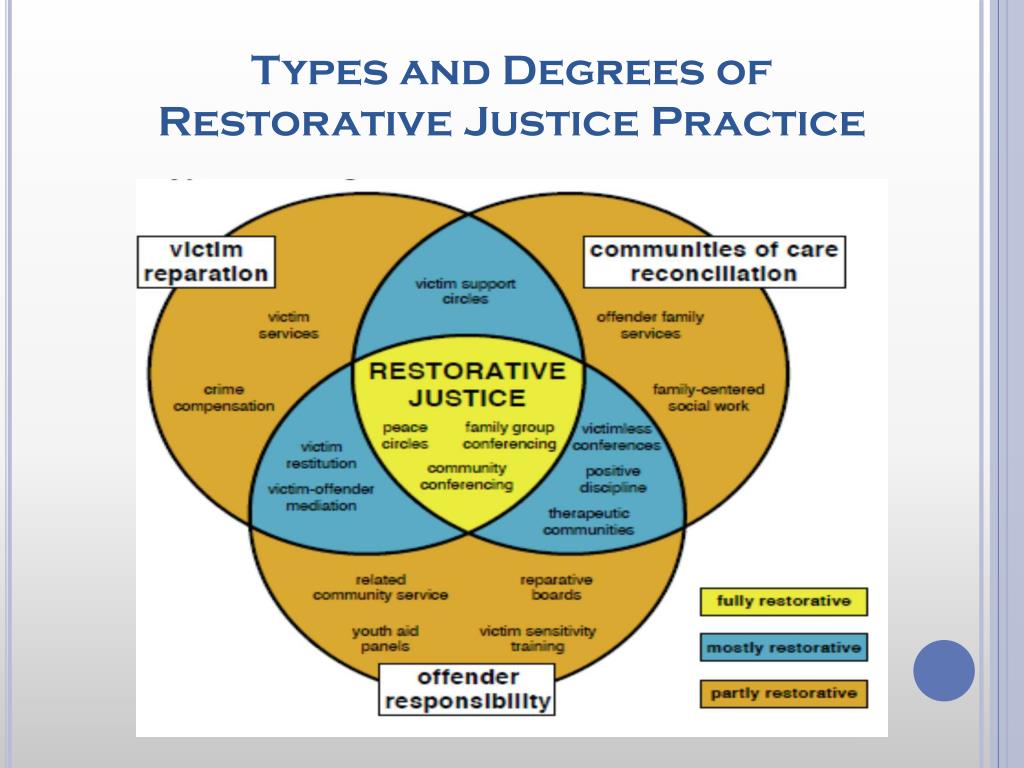
Restorative justice practices are gaining recognition as effective approaches to addressing conflicts and promoting positive relationships within educational settings. These practices focus on repairing harm caused by wrongdoing, rather than solely punishing the wrongdoer. By involving all parties affected by an incident, restorative justice aims to foster empathy, accountability, and understanding among individuals involved.
1. Circle processes: One common restorative practice is the use of circle processes. In a circle, participants sit in a circular formation and take turns speaking while holding a “talking piece.” This creates an equal platform for everyone to share their thoughts and feelings about an issue or conflict. Circles can be used proactively to build community and prevent conflicts or reactively to address specific incidents.
2. Community building circles: These circles are often conducted at the beginning of the school year or semester to establish trust and create a sense of belonging among students. Through guided discussions, students share personal stories, values, fears, hopes, and goals with each other. This process helps develop empathy and connection within the group.
3. Restorative conversations: When conflicts arise between individuals or groups within a school community, restorative conversations provide an opportunity for dialogue and resolution. Trained facilitators guide these conversations where participants have structured discussions focusing on understanding the impact of actions taken during the conflict.
4. Restitution: Restitution involves taking action to repair harm caused by one’s behavior towards others or the community at large. It may involve activities such as apology letters, service projects that benefit those affected by wrongdoing, or making amends directly with individuals impacted.
5. Peer mediation: Peer mediation programs empower students to resolve conflicts between their peers through facilitated dialogues led by trained student mediators under adult supervision. This approach encourages responsibility-taking and decision-making skills while also fostering empathy among students.
6.Restorative conferencing: In more severe cases involving significant harm done in schools (such as bullying or violence), restorative conferencing brings together all parties affected by the incident. Facilitators guide a structured conversation that allows each participant to express their feelings, discuss the harm caused, and collaboratively develop an action plan for repairing the harm and preventing future occurrences.
7. Restorative justice circles in classrooms: Teachers can utilize restorative justice circles within their classrooms as a means of building trust, improving communication, and addressing any conflicts that arise among students. These circles not only allow students to share their perspectives but also encourage active listening skills and empathy-building.
8. Training programs for staff: To successfully implement restorative justice practices within educational settings, it is crucial to provide training programs for staff members. These programs equip educators with the necessary knowledge and skills to facilitate restorative processes effectively. By providing ongoing support and professional development opportunities, schools enhance the implementation and sustainability of these practices.
9.Restorative discipline policies: Instead of relying solely on punitive measures like suspension or expulsion, some schools have adopted restorative discipline policies that prioritize repairing harm rather than punishing students. This approach focuses on understanding why inappropriate behavior occurred while ensuring accountability through dialogue, restitution, or community service.
10.Collaboration with families and communities: Restorative justice practices extend beyond school walls by including families and communities in conflict resolution processes. By involving all stakeholders affected by incidents or conflicts, schools foster stronger relationships between home and school while creating a more supportive environment for everyone involved.
In conclusion, incorporating restorative justice practices in alternative schooling environments promotes healing from harm caused by conflict while cultivating empathy, accountability, and positive relationships among individuals within the community. Through various approaches such as circle processes, restitution activities, peer mediation programs, and collaborative conferencing efforts with families and communities; educational institutions can create safer spaces where conflicts are addressed constructively rather than punitively.
 Alternative Amie
Leave a comment