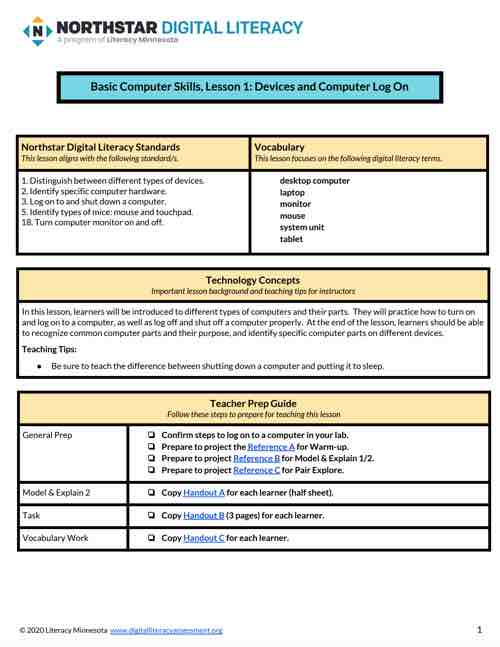
Assessing Digital Literacy Skills in the 21st Century
In the rapidly evolving digital age, it has become increasingly important to assess and cultivate digital literacy skills among individuals. The ability to navigate, understand, and effectively use various digital technologies is no longer a luxury but a necessity in our modern society. With the advent of alternative schooling and education methods, it is crucial to assess students’ proficiency in these skills to ensure they are adequately prepared for the challenges that lie ahead.
Digital literacy encompasses a broad range of competencies, including technological aptitude, critical thinking abilities, information literacy, communication skills, media literacy, and ethical considerations. It goes beyond mere technical knowledge and involves understanding how technology impacts various aspects of our lives – from personal interactions to professional endeavors. Assessing such multifaceted skills requires a comprehensive approach that takes into account both theoretical knowledge and practical application.
Traditionally, assessments have primarily focused on testing memorization or regurgitation of facts. However, evaluating digital literacy calls for an assessment format that encourages problem-solving abilities and critical thinking rather than rote memorization. Multiple-choice tests may still have their place when assessing factual knowledge or basic concepts but should be supplemented with more interactive forms of evaluation.
One effective method for assessing digital literacy skills is through project-based assignments or tasks. By assigning real-world projects that require students to utilize their digital skills while addressing specific objectives or problems, educators can gauge their ability to apply their knowledge in practical settings. These projects could involve creating websites or multimedia presentations on relevant topics or analyzing data using appropriate software tools.
Another valuable assessment tool is online quizzes or interactive simulations that simulate real-life scenarios where participants must make informed decisions based on available resources and information sources. Such assessments not only test learners’ comprehension but also encourage them to think critically about the credibility of sources and evaluate different perspectives before reaching conclusions.
Collaborative assessments are also gaining prominence as they mirror today’s interconnected and rapidly changing digital landscape. Group projects, online discussions, or problem-solving activities allow students to work together, leveraging their collective knowledge and skills. These assessments not only evaluate individual competencies but also measure collaboration and communication skills – vital components of digital literacy in today’s interconnected world.
In addition to assessing technical proficiency, it is equally important to evaluate individuals’ ability to navigate the vast amount of information available online critically. This involves teaching them how to discern credible sources from unreliable ones and encouraging them to fact-check claims before accepting them at face value. Assessments that require students to analyze news articles or research papers for bias, accuracy, or relevance can help develop these critical evaluation skills.
Digital citizenship is another crucial aspect of digital literacy that must be assessed. Ethical considerations such as responsible use of technology, respecting others’ privacy and intellectual property rights should be evaluated through scenario-based questions or discussions. Students should be encouraged to reflect on ethical dilemmas they may encounter while using digital technologies and propose appropriate solutions.
While traditional assessment methods like exams or quizzes still have their place in evaluating digital literacy skills, it is essential not to rely solely on these formats. The dynamic nature of technology calls for ongoing formative assessments that provide timely feedback for both teachers and learners. Rubrics that outline specific criteria for each skill area can assist educators in providing constructive feedback tailored to individual needs.
Moreover, self-assessment tools can empower learners by enabling them to reflect on their own progress and identify areas where improvement is needed. Online platforms with interactive modules or questionnaires can guide individuals through a series of questions designed to assess their level of digital literacy across various domains.
Assessing digital literacy skills in the 21st century requires a multidimensional approach that encompasses technical expertise, critical thinking abilities, information evaluation capabilities, collaborative aptitude, media literacy awareness, ethical considerations – all within the context of an ever-changing technological landscape. By employing a variety of assessment methods and continuously adapting to emergent technologies, alternative schooling and education can play a pivotal role in equipping individuals with the skills necessary to thrive in our digital society.
 Alternative Amie
Leave a comment