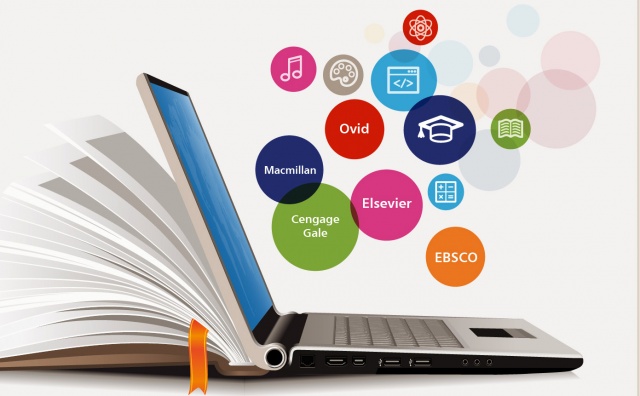
In the age of technology, where everything seems to be going digital, it’s no surprise that even education has jumped on the bandwagon. Traditional schooling methods are being challenged by alternative approaches, and one aspect that is gaining popularity is the use of e-books and digital libraries.
Gone are the days of lugging around heavy backpacks filled with textbooks. With e-books, students can access all their reading materials conveniently on their electronic devices. No more worrying about forgetting a book at home or damaging it in your backpack – these virtual books are stored safely in the cloud.
Digital libraries have made accessing educational resources easier than ever before. Forget waiting for your turn at the library or dealing with overdue fines; now you can simply click a few buttons and have thousands of books at your fingertips. It’s like having your own personal library without any physical clutter!
One of the biggest advantages of e-books and digital libraries for alternative schooling is customization. Students can choose from a wide range of texts tailored to their individual interests and learning styles, making education much more engaging and interactive. Whether they prefer reading classic literature or exploring scientific research papers, there is something for everyone in these virtual collections.
Additionally, e-books allow students to engage with content in innovative ways. Digital platforms often include features such as highlighting text, taking notes directly within the book, or even discussing specific passages with fellow readers online. This not only enhances comprehension but also fosters critical thinking skills through active participation.
Furthermore, digital libraries offer an eco-friendly solution to traditional paper-based learning materials. By switching to e-books, we reduce our reliance on paper production which contributes to deforestation and environmental degradation. So not only do we save trees but also cut down on transportation costs associated with delivering physical books.
Another benefit worth mentioning is accessibility for students with disabilities or special needs. Digital formats provide options like adjustable font sizes, text-to-speech features for visually impaired individuals, and even translation capabilities for non-native English speakers. This allows everyone to access educational resources on an equal footing, promoting inclusivity in alternative schooling.
Of course, as with any technological advancement, there are a few downsides to consider. Some critics argue that the screen time associated with e-books might have negative effects on students’ eyesight or overall health. However, these concerns can be mitigated by using devices with features like blue light filters and taking regular breaks from screens.
Moreover, the issue of equitable access arises when considering e-books and digital libraries for alternative schooling. Not all students may have access to electronic devices or reliable internet connections at home. This discrepancy could exacerbate existing inequalities in education unless schools provide necessary resources to bridge this gap.
In conclusion, e-books and digital libraries offer numerous advantages for alternative schooling. They enable customization, foster engagement through interactive features, promote eco-friendliness, enhance accessibility for students with disabilities or special needs, and ultimately revolutionize the way we approach education. While there are some concerns surrounding screen time and equitable access issues, these challenges can be addressed through proper implementation strategies. So why not embrace this digital transformation and open up new possibilities for learning?
 Alternative Amie
Leave a comment