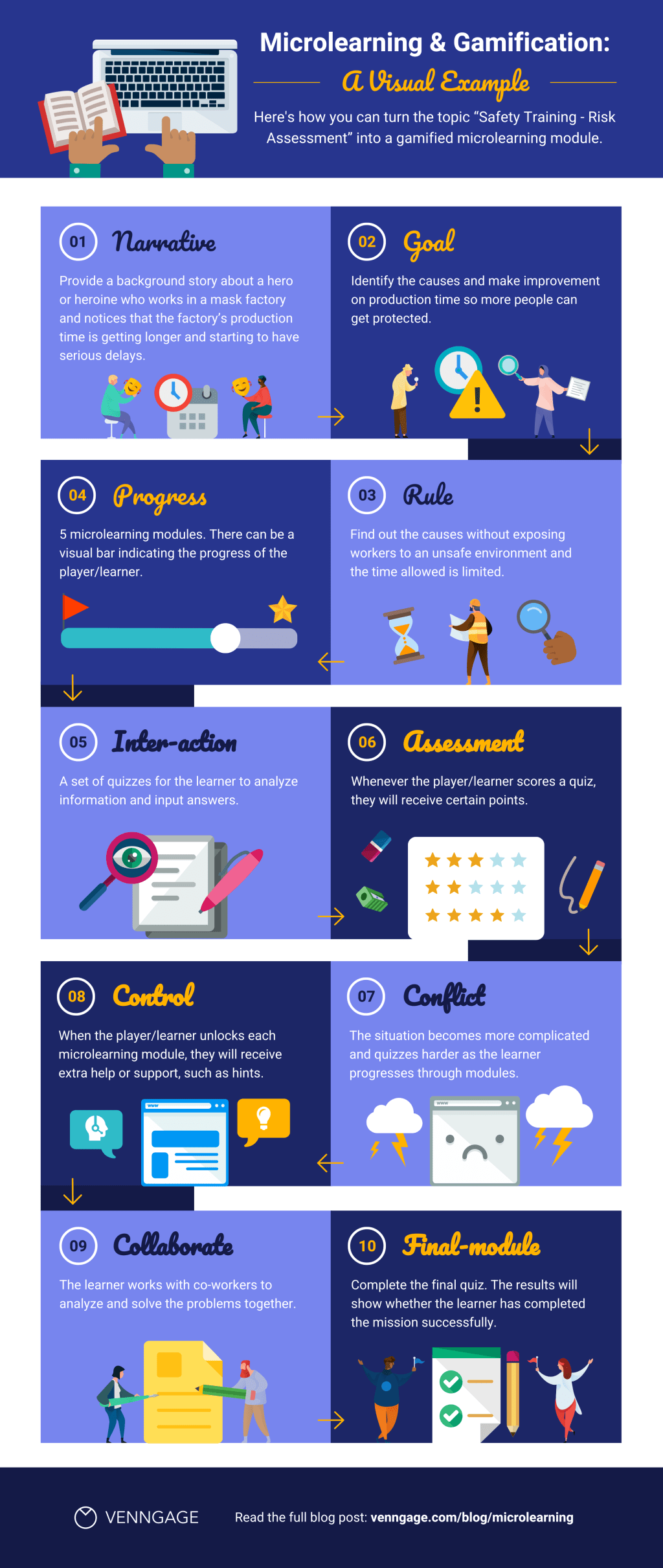
Gamification in blended learning is a powerful tool that can engage students and enhance their learning experience. By incorporating game elements into the curriculum, educators can create a more interactive and enjoyable environment for students. This approach not only motivates them to actively participate but also fosters collaboration, critical thinking, problem-solving skills, and creativity.
One way to introduce gamification in blended learning is through the use of badges or rewards. Students can earn badges for completing tasks or mastering specific skills. These virtual rewards serve as tangible incentives that recognize their achievements and progress. Additionally, leaderboards can be implemented to promote healthy competition among students, further motivating them to excel.
Microlearning strategies are another effective approach for alternative schooling in a blended learning environment. Microlearning involves breaking down complex concepts into bite-sized chunks of information that are easily digestible by learners. This method allows students to learn at their own pace and revisit topics as needed.
Personalized learning paths play a crucial role in blended education. With access to various online resources and platforms, teachers can tailor instruction based on individual student needs and interests. By leveraging technology tools such as adaptive software or learning management systems (LMS), educators can provide targeted content delivery, assessments, and feedback.
Assessing student progress is essential in any educational setting but becomes even more crucial in a blended learning environment where traditional methods may not be sufficient. Teachers have the advantage of utilizing digital tools for formative assessments like quizzes or online discussions to gauge comprehension levels. They can also track student performance over time using analytics provided by LMS platforms.
Integrating social-emotional learning (SEL) into blended classrooms helps nurture well-rounded individuals who possess strong interpersonal skills alongside academic competencies. SEL activities such as group discussions, reflection exercises, or virtual collaborations allow students to develop empathy, self-awareness, relationship-building abilities while working on academic goals.
Virtual reality (VR) offers an immersive experience that engages learners’ senses and facilitates experiential learning. In alternative education, VR can transport students to different environments or scenarios that may not be accessible otherwise. For example, history lessons can come alive as students virtually explore historical sites or events.
Flipped classroom models are gaining popularity in blended learning. In this approach, students engage with content at home through pre-recorded videos or online resources, allowing for more interactive and collaborative activities during class time. This model promotes active learning and student engagement while providing teachers with opportunities for individualized support.
Differentiating instruction is essential in a blended classroom setting where learners have diverse needs and learning styles. Teachers can utilize technology tools to provide personalized content, assignments, and assessments tailored to each student’s level of understanding, ensuring they are appropriately challenged without feeling overwhelmed or left behind.
Project-based learning (PBL) is an effective instructional strategy that encourages collaboration, critical thinking, problem-solving skills, and creativity among students. Blended environments offer opportunities for students to work on projects independently or in groups using various digital tools like video editing software or presentation platforms.
Blended learning has the potential to support students with special needs or disabilities by providing customized instruction based on their unique requirements. Adaptive technology tools such as text-to-speech software or screen readers enable accessibility for all learners while promoting independent learning.
Cultivating creativity and innovation through blended education approaches involves integrating project-based tasks that encourage originality and problem-solving skills. Students can engage in design thinking processes where they identify real-world problems and develop innovative solutions using digital technologies.
Building digital literacy skills is crucial in alternative schooling settings as technology plays a significant role in educational delivery. Blended classrooms provide ample opportunities for students to acquire essential digital literacy skills such as internet research abilities, media analysis techniques, online collaboration expertise while also emphasizing responsible digital citizenship practices.
Collaboration and communication skills are vital 21st-century competencies that can be enhanced through blended learning approaches. Online discussions, group projects, and virtual collaborations enable students to work together effectively while developing their interpersonal skills in a digital context.
Addressing equity and access issues is crucial in alternative education. Blended approaches can help bridge the gap by providing equal opportunities for all students to access quality educational resources regardless of their geographical location or socio-economic background. Online platforms offer flexibility and overcome physical barriers that may hinder traditional learning environments.
Incorporating mindfulness practices into the blended classroom promotes emotional well-being, stress reduction, and improved focus among students. Teachers can introduce short mindfulness exercises during transition times or incorporate guided meditation videos as part of online resources, fostering a calm and positive learning environment.
Supporting parental involvement and engagement is essential in a blended learning context where parents play an active role as facilitators of their child’s education. Regular communication through online platforms, parent-teacher conferences, or workshops ensures that parents are informed about their child’s progress and can provide necessary support at home.
Fostering critical thinking skills through online discussions and activities is facilitated by blended learning models. Students engage in thoughtful conversations on discussion boards or participate in virtual debates where they learn to analyze information critically, support claims with evidence, and respectfully challenge others’ viewpoints.
Balancing screen time with offline activities is crucial to maintain a healthy balance between technology use and other forms of engagement. Educators can encourage students to take breaks from screens by incorporating hands-on activities or outdoor experiences that complement the online curriculum.
Promoting self-regulated learning strategies within a hybrid model encourages autonomy among learners. Blended classrooms provide opportunities for students to develop self-management skills such as setting goals, monitoring progress, reflecting on their learning process independently using digital tools like reflection journals or goal-setting apps.
Utilizing adaptive technology tools helps personalize instruction in alternative schools where learners have diverse needs. Adaptive software analyzes student performance data to deliver customized content based on individual strengths and weaknesses. This approach ensures that each student receives targeted instruction aligned with their specific learning requirements.
In conclusion, alternative schooling and education can greatly benefit from incorporating blended learning approaches. Gamification, microlearning strategies, personalized learning paths, assessment methods, social-emotional learning integration, virtual reality experiences, flipped classroom models, differentiated instruction, project-based learning implementation – all these strategies contribute to creating engaging and effective educational environments for students in alternative schools. By addressing equity and access issues while fostering critical thinking skills and digital literacy competencies among learners, blended education paves the way for a more inclusive and innovative approach to education.
 Alternative Amie
Leave a comment