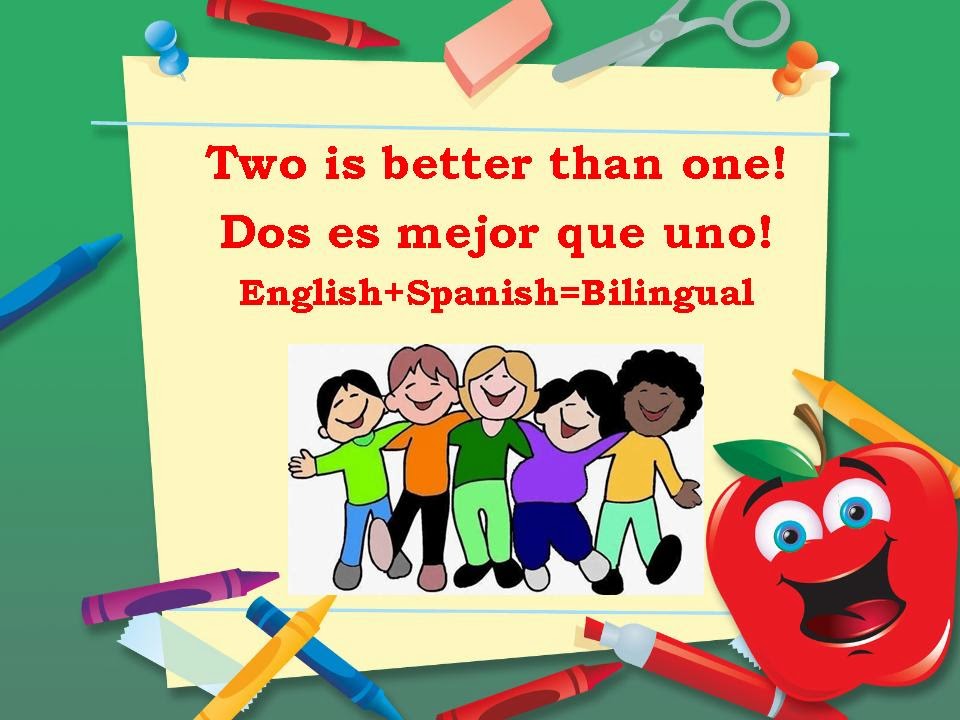
Bilingual education is an important and beneficial aspect of alternative schooling. It provides students with the opportunity to develop proficiency in two or more languages, which can have a multitude of advantages in today’s increasingly globalized world.
One of the key benefits of bilingual education in alternative schools is that it promotes cognitive development. Research has shown that learning multiple languages enhances critical thinking skills, problem-solving abilities, and creativity. Students who are bilingual also tend to have better memory retention and improved multitasking capabilities.
In urban areas, where diverse populations often exist, bilingual education programs play a crucial role in fostering inclusivity and providing equal opportunities for all students. These programs not only enable students from different linguistic backgrounds to maintain their native language but also help them acquire fluency in English or another dominant language spoken in their community. Bilingual education programs empower students by allowing them to fully participate in society while preserving their cultural identity.
Implementing effective bilingual education policies and practices requires careful planning and collaboration between educators, policymakers, and communities. Challenges may arise due to limited resources or resistance to change. However, solutions can be found through increased funding for training teachers proficient in multiple languages, developing culturally relevant curriculum materials, and creating partnerships with community organizations that offer support services.
Bilingual education is not only essential for immigrant students but also for indigenous communities seeking to preserve their ancestral languages. By incorporating indigenous languages into the curriculum alongside mainstream languages like English or Spanish, these communities can revitalize their heritage while promoting intercultural understanding among all students.
Refugees and displaced populations also benefit greatly from bilingual education as it helps them adapt more quickly to their new environment while maintaining connections with their home cultures. By offering language instruction tailored specifically to refugee populations’ needs, alternative schools provide vital support during this challenging transition period.
Dual language immersion programs are gaining popularity in alternative schools as they promote biliteracy skills by providing instruction equally in two languages throughout the curriculum. This approach not only enhances language acquisition but also fosters cross-cultural communication skills.
Assessment and evaluation are crucial components of a successful bilingual education program. Alternative schools should employ comprehensive strategies to determine students’ language proficiency levels and monitor their progress over time. This information can guide instructional decisions, ensuring that students receive appropriate support and instruction tailored to their specific needs.
Parental involvement is another vital aspect of bilingual education. Schools should actively engage parents in the educational process by offering workshops, resources, and opportunities for collaboration. By partnering with families, alternative schools can create a supportive environment that nurtures language development and cultural understanding.
To ensure effective implementation of bilingual education, teacher training and professional development programs need to be prioritized. Educators must be equipped with the necessary skills and knowledge to deliver high-quality instruction in multiple languages while incorporating culturally responsive teaching practices.
Technology integration plays an increasingly significant role in bilingual classrooms as it provides access to a variety of digital resources that enhance language learning experiences. Interactive apps, online language courses, virtual field trips, and video conferencing tools enable students to practice their language skills in engaging ways.
Community partnerships are essential for supporting bilingual education initiatives. Collaboration with local organizations, cultural centers, libraries, or universities can provide additional resources such as guest speakers or access to authentic materials that enrich the learning experience for students.
In conclusion, bilingual education in alternative schooling settings offers numerous benefits including cognitive development, improved academic performance, intercultural understanding, and enhanced career prospects. By addressing challenges through effective policies and practices while promoting equity and inclusivity within diverse communities, alternative schools can provide valuable opportunities for students from various linguistic backgrounds to thrive academically and socially.
 Alternative Amie
Leave a comment