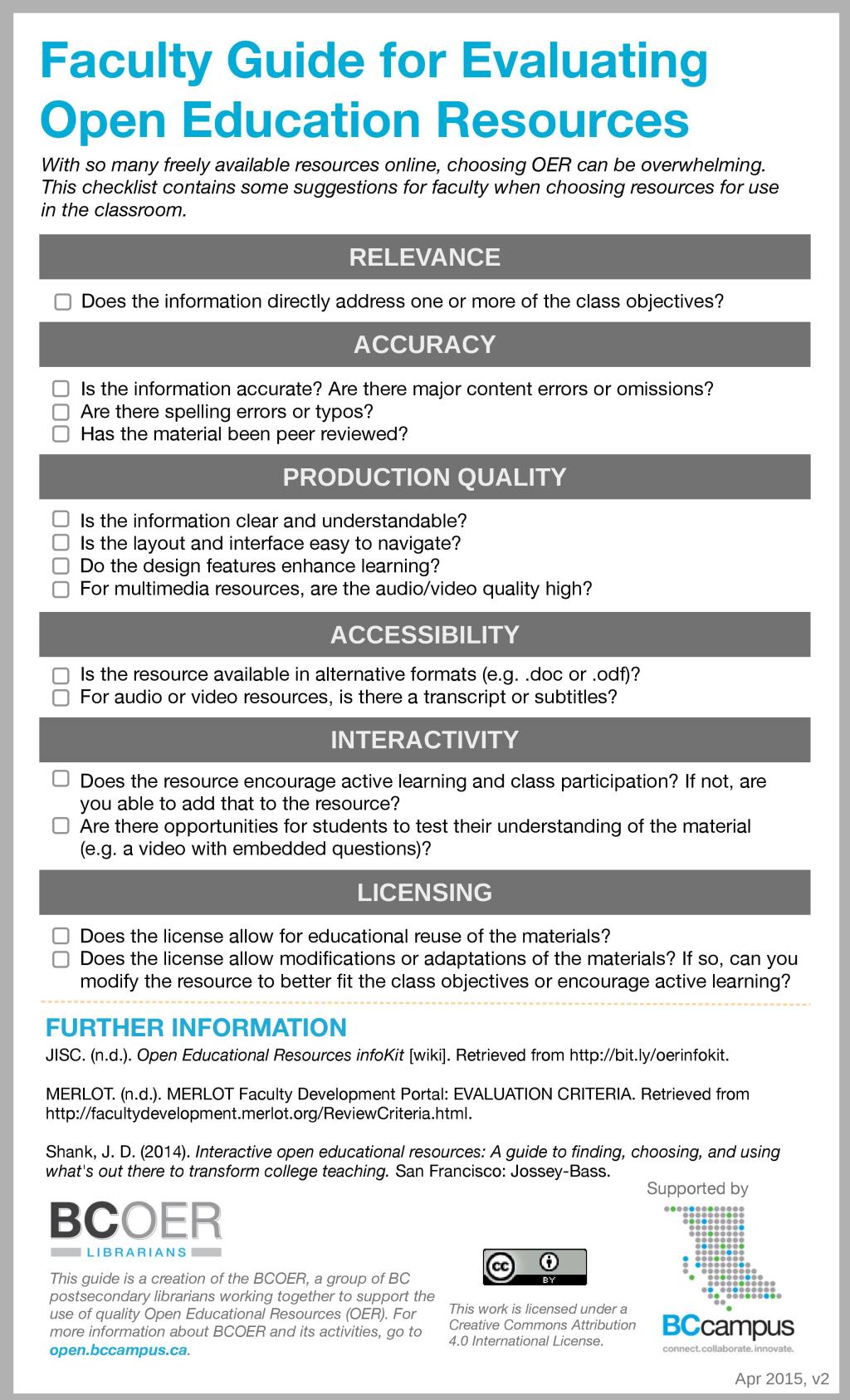
Open educational resources (OER) have become a valuable tool in community-based learning initiatives. These initiatives aim to provide education and support to communities, often with a focus on underserved populations. OER, which are freely accessible and openly licensed educational materials, offer a cost-effective and flexible solution for these programs.
One of the key benefits of using OER in community-based learning initiatives is that it allows educators to tailor their curriculum to the specific needs and interests of the community they are serving. Traditional textbooks and teaching materials may not always be relevant or relatable to learners from diverse backgrounds. By utilizing OER, educators can incorporate local examples and real-world experiences into their lessons, making them more engaging and meaningful for learners.
In addition to being customizable, open textbooks are another form of OER that has gained popularity in community-based learning initiatives. Open textbooks are full-length textbooks that have been published with an open license, allowing users to access, modify, and distribute them freely. This makes them a great resource for both students and teachers in community-based programs who may not have access or funds for traditional textbooks.
Open educational resources also have significant potential in indigenous education. Indigenous communities often face unique challenges when it comes to preserving their cultural heritage while accessing quality education. OER can play a crucial role in addressing these challenges by providing culturally responsive content that reflects indigenous languages, traditions, and knowledge systems.
Similarly, rural or remote areas often struggle with limited access to educational resources due to geographical barriers or lack of infrastructure. In such cases, OER can bridge this gap by providing digital learning materials that can be accessed online or offline through downloadable formats. This ensures that learners in these areas have equal opportunities for quality education regardless of their location.
Prison education programs also stand to benefit from the use of open educational resources. Education has been shown to reduce recidivism rates among inmates by equipping them with skills necessary for successful reintegration into society. OER can provide a wide range of educational materials, from basic literacy and numeracy resources to vocational training materials, that are essential for the success of these programs.
Alternative high schools, which cater to students who may not thrive in traditional school settings, can also leverage open educational resources to meet the unique needs of their students. OER allows educators in alternative high schools to design flexible curricula that accommodate different learning styles and interests. This promotes a more personalized approach to education and increases student engagement and success.
Online/distance learning environments have become increasingly prevalent, especially in response to the COVID-19 pandemic. Open educational resources play a vital role in supporting online/distance learning by providing accessible and adaptable content for learners across various digital platforms. These resources enable educators to create interactive and engaging online courses while keeping costs low for both institutions and students.
Adult education programs also benefit greatly from the use of open educational resources. Many adults returning to education face time constraints or financial barriers that make accessing traditional textbooks challenging. By utilizing OER, adult learners can access free educational materials anytime and anywhere, allowing them to learn at their own pace without added financial burdens.
Early childhood education is another area where open educational resources have enormous potential. Young children thrive on interactive and hands-on activities that stimulate their curiosity and creativity. OER offers a wealth of age-appropriate materials such as worksheets, storybooks, games, and lesson plans that support early childhood development while ensuring affordability for parents or caregivers.
Lastly, alternative language instruction programs can utilize open educational resources tailored specifically for language learners with diverse backgrounds or needs. Whether it’s teaching English as a second language or preserving endangered languages within indigenous communities, OER provides an extensive collection of multimedia-rich content like audio recordings, videos, flashcards, and exercises that enhance language acquisition skills.
In conclusion, open educational resources offer immense value in various community-based learning initiatives across different contexts. From addressing the unique needs of indigenous education to bridging educational gaps in rural or remote areas, OER promotes inclusivity, flexibility, and affordability. By embracing open educational resources, educators can enhance the quality and accessibility of education for all learners.
 Alternative Amie
Leave a comment