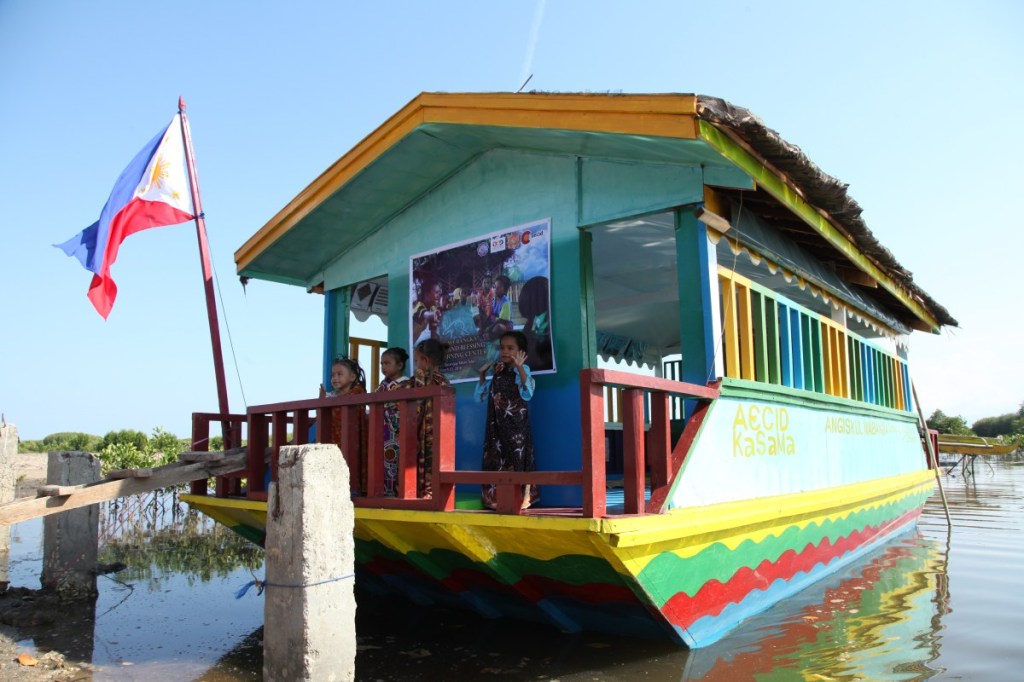
Floating Classrooms: The Future of Alternative Education
In a world where traditional schooling methods are being constantly challenged, innovative approaches to education are gaining momentum. One such approach that is capturing the attention of educators and parents alike is the concept of floating classrooms on boats or rafts. This unique form of alternative schooling not only offers an unconventional learning environment but also provides students with valuable experiences that cannot be replicated within the four walls of a classroom.
Imagine setting sail on a boat as your classroom, navigating through rivers, lakes, and even oceans while immersing yourself in hands-on learning experiences. Floating classrooms offer children the opportunity to connect with nature and gain firsthand knowledge about aquatic ecosystems, marine life, and environmental conservation. By taking their studies out onto the water, students can witness ecological systems at work in real-time and develop a deep appreciation for our planet’s resources.
One key aspect that sets floating classrooms apart from traditional schools is its interdisciplinary approach to education. Instead of compartmentalizing subjects into separate classes or periods, these classrooms emphasize integrated learning. For example, during a science lesson on oceanography, students can simultaneously study geography by plotting their coordinates on maps and learn history by exploring famous maritime expeditions.
Furthermore, floating classrooms foster experiential learning through activities like water testing or collecting samples for research projects. Students can conduct experiments using scientific instruments onboard or dissect specimens they encounter during their nautical journeys. These hands-on activities engage learners actively in their education journey and enhance critical thinking skills.
Another advantage of floating classrooms is their ability to promote teamwork and collaboration among students. Living together aboard a vessel creates an environment where pupils must work together effectively to ensure everyone’s safety and well-being. From maintaining cleanliness to sailing responsibilities like hoisting sails or docking procedures – each student has important roles that contribute to the overall functioning of the team.
Additionally, living closely with fellow classmates enhances social skills as it necessitates communication, compromise, conflict resolution, and empathy. Students learn to appreciate diversity and develop a sense of community as they share meals, sleeping quarters, and leisure time together. These interpersonal skills are invaluable in preparing students for life beyond the classroom.
Floating classrooms also offer opportunities for cultural immersion as they navigate different regions or ports. By docking at various locations, students can engage with local communities, learning about their customs, traditions, and history firsthand. This exposure broadens their worldview and cultivates a sense of global citizenship.
While floating classrooms undoubtedly provide unique educational experiences, it is important to address potential challenges associated with this alternative schooling approach. Safety is paramount when working with water-based activities; therefore, stringent safety protocols must be in place to ensure the well-being of students on board.
Furthermore, logistical considerations such as accommodating living quarters and ensuring access to necessary amenities while at sea need careful planning. Adequate provisions for healthcare services should also be considered during extended journeys.
In conclusion, floating classrooms represent an exciting frontier in alternative education that combines experiential learning with interdisciplinary approaches. By immersing students in nature’s classroom and fostering collaborative skills through teamwork aboard boats or rafts, these innovative educational models prepare learners for the challenges of an interconnected world. While there are practical considerations involved in implementing such programs successfully, the benefits gained from these unique learning experiences make them worth exploring further. Floating classrooms have the potential to revolutionize education by inviting students into a world where knowledge flows like water – boundless and ever-evolving.
 Alternative Amie
Leave a comment