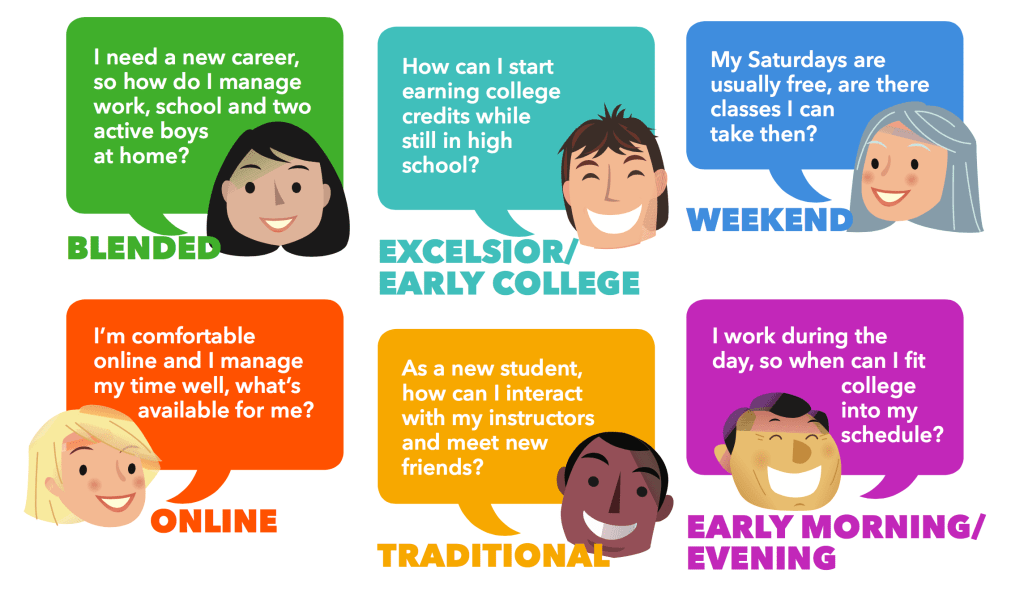
Flexible Scheduling: Empowering Students to Take Control of Their Education
Introduction
In traditional schooling, students are expected to adhere to rigid schedules, with little room for personalization or flexibility. However, alternative forms of education have emerged that prioritize the individual needs and preferences of students. One such approach is flexible scheduling, which allows students to take control of their learning experience by designing a schedule that suits them best. In this article, we will explore the concept of flexible scheduling in depth, examining its benefits and challenges while also providing practical tips for implementing it effectively.
Understanding Flexible Scheduling
Flexible scheduling refers to an educational framework that enables students to have greater autonomy over their time management within a structured learning environment. It recognizes that each student has unique needs and learning styles that may not align with the conventional one-size-fits-all approach.
Under this approach, students have the freedom to decide when and where they engage in specific subjects or activities throughout their day. They can personalize their schedules based on their preferences, interests, energy levels, and other factors that influence their productivity.
Benefits of Flexible Scheduling
1. Enhanced Engagement: When students are given more control over their learning experiences through flexible scheduling, they tend to be more engaged with the material at hand. By allowing them to choose when they study certain subjects or pursue extracurricular activities aligned with their passions, motivation levels increase significantly.
2. Customized Learning Paths: Flexible scheduling empowers students to design personalized academic plans tailored specifically for them. For instance, if a student excels in mathematics but struggles with languages, they can allocate extra time for language studies while dedicating fewer hours to math sessions.
3. Improved Time Management Skills: By taking responsibility for managing their own schedules effectively, students develop essential life skills such as time management and organization early on in life – skills that will prove invaluable well beyond formal education.
4. Reduced Stress Levels: The ability to structure their own day allows students to find a balance between academic commitments and personal interests, ultimately reducing stress levels. They can allocate time for relaxation, pursuing hobbies, or engaging in physical activities, fostering a healthier lifestyle overall.
5. Real-World Preparation: Flexible scheduling mimics the real-world scenarios where individuals have control over their daily routines and work schedules. By experiencing this autonomy during their education, students gain valuable preparation for life beyond school.
Challenges of Flexible Scheduling
While flexible scheduling offers numerous benefits, it is not without its challenges. Here are some potential hurdles that educators and students may encounter:
1. Self-discipline: Students must possess a certain level of self-discipline to effectively manage their time under flexible scheduling. Without proper guidance or support systems in place, some students may struggle with staying on track and meeting deadlines.
2. Balancing Multiple Commitments: With increased freedom comes the need for effective planning and prioritization skills. Students engaged in extracurricular activities or part-time jobs may face difficulties juggling multiple commitments within limited hours.
3. Collaborative Learning Opportunities: Traditional classrooms foster collaboration among peers through group projects and discussions facilitated by fixed schedules. Implementing flexible scheduling should account for finding alternative ways to encourage collaborative learning experiences.
4. Teacher Availability: Teachers who oversee multiple classes or grade levels might find it challenging to be available at all times when individual students require assistance or guidance during non-traditional hours.
Tips for Successful Implementation
To ensure successful implementation of flexible scheduling in an educational setting, consider the following tips:
1. Clear Communication: Establish open lines of communication between teachers, administrators, parents/guardians, and students themselves to ensure everyone understands expectations regarding flexibility boundaries.
2. Goal Setting: Encourage students to set short-term and long-term goals related to both academic achievements and personal growth areas they wish to focus on within their schedule.
3. Time Management Support: Provide resources such as time management tools, planners, and workshops to help students develop effective strategies for managing their schedules independently.
4. Foster Accountability: Implement regular check-ins or progress reports to hold students accountable for their own learning journeys. This can be done through one-on-one meetings with teachers or online platforms that track progress.
5. Collaboration Opportunities: Organize group projects, clubs, or extracurricular activities that provide opportunities for collaborative learning even within a flexible scheduling framework.
Conclusion
Flexible scheduling empowers students to take control of their education by allowing them to design schedules tailored to their needs and preferences. It offers numerous benefits such as increased engagement, customized learning paths, improved time management skills, reduced stress levels, and real-world preparation. However, challenges related to self-discipline, balancing multiple commitments, collaborative learning opportunities, and teacher availability must be considered during implementation. By following the provided tips for successful implementation, educators can create an educational environment where students thrive academically while developing crucial life skills necessary for success in the 21st century.
 Alternative Amie
Leave a comment