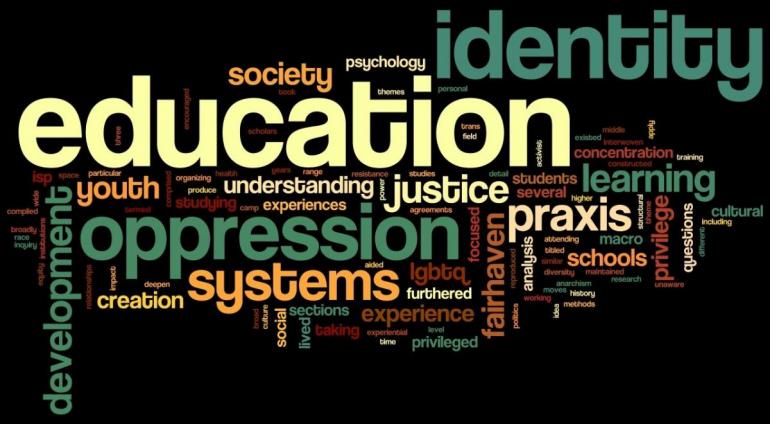
Social Justice Education: Empowering Students for a Just Society
Education is not just about imparting knowledge and skills; it is also about shaping individuals who can contribute positively to society. In recent years, there has been a growing recognition of the need for social justice education in schools. Social justice education aims to empower students with the knowledge, skills, and attitudes necessary to understand and challenge inequalities and injustices in our world.
What is Social Justice Education?
Social justice education goes beyond traditional academic subjects by incorporating discussions on power, privilege, diversity, oppression, and systemic injustice into the curriculum. It encourages critical thinking, empathy, and action among students.
The goal of social justice education is twofold: to help students recognize societal inequities and develop strategies to address them effectively. It equips them with the tools needed to become active participants in creating a fairer world.
Why Is Social Justice Education Important?
1. Fostering Critical Thinking:
Social justice education encourages students to critically analyze societal issues from multiple perspectives. By examining historical events through the lens of oppression or exploring current affairs through an intersectional approach, students learn how systems of power operate at personal, interpersonal, institutional, and structural levels.
2. Promoting Empathy:
Empathy plays a crucial role in building inclusive communities where everyone feels valued. Social justice education helps cultivate empathy by exposing students to diverse experiences and narratives that challenge their own assumptions and biases. This understanding allows them to foster meaningful connections with people from different backgrounds.
3. Developing Advocacy Skills:
Social justice education empowers students with the skills needed for effective advocacy work. By learning about community organizing techniques or participating in grassroots campaigns promoting equality or environmental sustainability, they gain practical experience in making positive change happen.
4. Encouraging Civic Engagement:
Informed citizens are essential for maintaining a healthy democracy. Social justice education promotes civic engagement by teaching students about their rights as individuals within society while also emphasizing their responsibilities towards others. It encourages them to participate in local and global issues, fostering a sense of agency and social responsibility.
5. Creating Inclusive Learning Environments:
Schools are microcosms of society, reflecting the broader diversity present within our communities. Social justice education helps create inclusive learning environments where all students feel safe, respected, and valued regardless of their race, ethnicity, gender identity, sexual orientation, or socioeconomic background.
Implementing Social Justice Education
1. Integrating Social Justice Across the Curriculum:
Social justice education should not be limited to specific subjects but instead integrated across various disciplines. Incorporating diverse perspectives into literature classes or discussing historical events through an equity lens can help students develop a holistic understanding of social justice issues.
2. Professional Development for Educators:
Teachers play a crucial role in facilitating social justice education. Providing ongoing professional development opportunities that equip educators with the knowledge and tools necessary to foster inclusivity is essential.
3. Student-Led Initiatives:
Encouraging student-led initiatives such as clubs or organizations focused on promoting social justice can enhance engagement and empower students to take ownership of their learning experience. These initiatives provide platforms for advocacy work within schools and communities.
4. Partnerships with Community Organizations:
Collaborating with community organizations working towards social justice goals offers valuable opportunities for students to engage in real-world projects that make a difference in their communities. This partnership can also facilitate resources sharing between schools and community groups.
Challenges and Criticisms
While the benefits of social justice education are well-documented, critics argue that it may promote biased ideologies or political agendas within classrooms. To address these concerns, it is important to ensure balance by presenting multiple perspectives on complex issues while maintaining respect for differing opinions.
Furthermore, some argue that incorporating social justice into an already packed curriculum will leave less time for traditional academic subjects like math or science. However, proponents argue that integrating social justice concepts can enhance students’ critical thinking and problem-solving abilities, which are transferable skills applicable across all areas of study.
Conclusion
Social justice education is not a standalone subject; it is an approach that can be integrated into existing curricula to help develop socially conscious individuals capable of bringing about positive change in society. By fostering critical thinking, empathy, advocacy skills, and civic engagement, social justice education empowers students to challenge injustices and contribute towards building a fairer world for all. It is through education that we can inspire the next generation to become agents of social change.
 Alternative Amie
Leave a comment