Competency-based education: The Path to Success…or Just Another Buzzword?
In the ever-evolving landscape of education, new buzzwords seem to pop up faster than you can say “learning outcomes.” One such term that has been gaining traction in recent years is competency-based education (CBE). But what exactly is CBE, and is it truly the revolutionary approach to learning it claims to be? Let’s take a closer look.
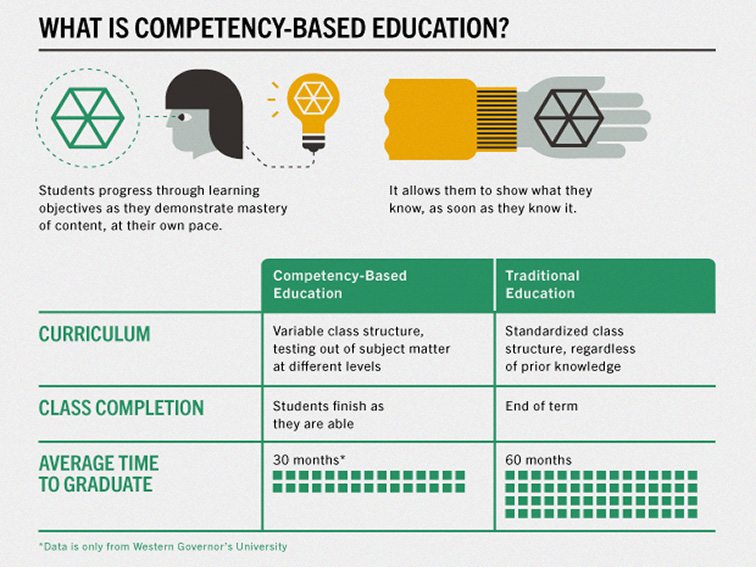
At its core, competency-based education focuses on students’ mastery of specific skills or knowledge rather than just time spent in a classroom. Traditional educational models often rely on seat time as the measure of progress, where students move through each grade level based on how much time they spend in class. In contrast, CBE puts emphasis on actual achievement and demonstration of competence.
Imagine a world where grades are not determined by how well you can cram for an exam but by your ability to apply what you’ve learned in real-life scenarios. Sounds refreshing, doesn’t it? Well, that’s precisely what CBE aims to do. By shifting the focus from rote memorization and regurgitation of information towards practical application, this model strives to better prepare students for the challenges they’ll face beyond the classroom walls.
One key feature of CBE is its flexibility. Instead of adhering strictly to traditional academic calendars and fixed schedules, this alternative approach allows learners to progress at their own pace. Students have the opportunity to delve deeper into subjects they find intriguing while moving more swiftly through areas where they excel naturally. This individualized learning experience can foster greater engagement and motivation among students who may have previously felt held back or unchallenged within a rigid system.
Proponents argue that CBE promotes essential skills such as critical thinking, problem-solving, collaboration, and adaptability – attributes highly sought after by employers in today’s job market. Rather than merely absorbing information passively from textbooks or lectures, students are encouraged to actively participate in their own learning process. Through hands-on projects, group work, and real-world applications, they develop the skills necessary to succeed not just academically but also in future careers.
However, like any educational approach, CBE is not without its challenges and criticisms. One concern often raised is the potential for grade inflation or subjective assessments. Critics argue that relying solely on competency-based evaluations could result in a lack of standardization and make it difficult to compare students’ achievements across different institutions.
Additionally, there are concerns about equity and access. While CBE holds great promise for self-motivated learners who thrive in non-traditional environments, it may not be suitable for everyone. Students from disadvantaged backgrounds or those who require more guidance and structure might struggle with the increased autonomy and responsibility demanded by this model.
Moreover, implementing a competency-based system can be resource-intensive. It requires well-trained teachers who can design personalized learning plans tailored to each student’s needs. Technology plays a crucial role as well since it provides the platform for continuous assessment and feedback required for effective CBE implementation.
Despite these challenges, many schools across the globe have been embracing CBE with open arms – experimenting with new ways of teaching and assessing student progress. And while it’s still too early to determine its long-term impact conclusively, initial results seem promising.
So if you’re tired of memorizing facts only to forget them after an exam or believe that education should prepare you for life beyond school walls rather than simply earning good grades – competency-based education might just be worth exploring further. Its flexible nature allows students to take ownership of their learning journey while developing valuable skills along the way.
As we continue our quest for an education system that meets the diverse needs of today’s learners, let us embrace innovation while keeping sight of what truly matters: empowering students with knowledge they can apply meaningfully throughout their lives. Whether competency-based education is the ultimate solution or just another buzzword, only time will tell – but it’s certainly a step in the right direction.
 Alternative Amie
Leave a comment