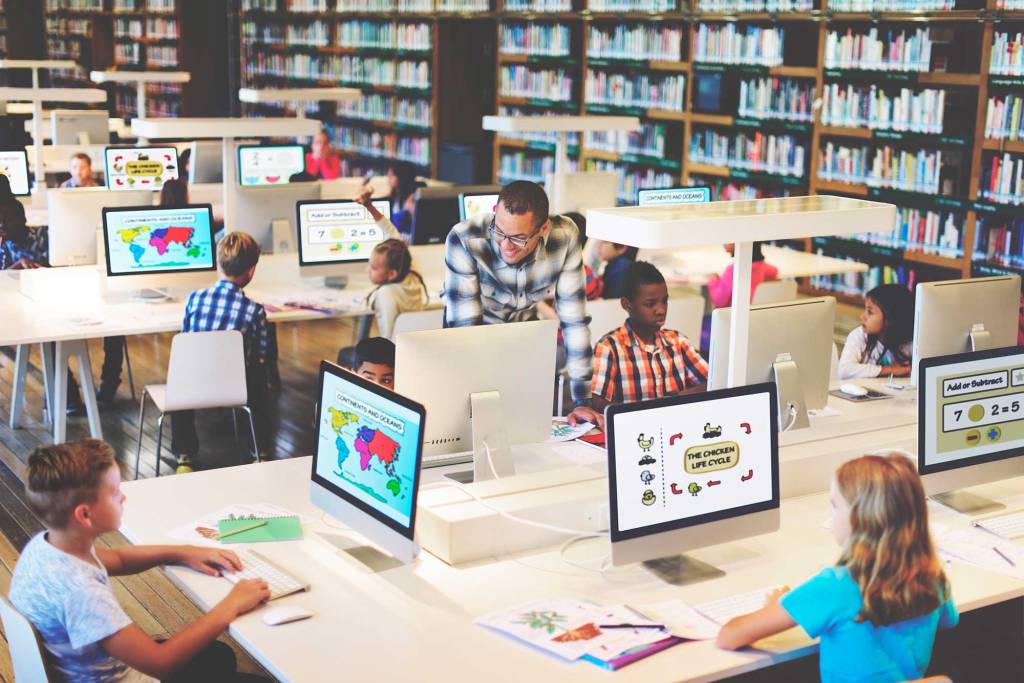
The influence of technology on enhancing early college education experiences is undeniable. With the rapid advancement of technology, students in early college programs now have access to a wide range of tools and resources that can greatly enhance their learning journey. From online platforms to virtual reality simulations, technology has revolutionized the way students engage with educational content.
One significant advantage of incorporating technology into early college education is the ability to provide interactive and immersive learning experiences. For example, virtual reality simulations allow students to explore complex concepts in a hands-on manner. Whether it’s dissecting a virtual frog or exploring historical landmarks from around the world, these immersive experiences make learning more engaging and memorable.
Furthermore, technology enables easy access to vast amounts of information. Through online platforms and databases, students can access academic journals, research papers, and educational videos at their fingertips. This not only expands their knowledge but also teaches them how to navigate through various digital resources effectively – an essential skill in today’s digital age.
Another aspect where technology plays a crucial role in early college education is communication and collaboration. Online discussion forums, video conferencing tools, and collaborative software enable students from different locations to work together on projects or participate in group discussions. This promotes teamwork skills while also providing exposure to diverse perspectives.
Moreover, technology facilitates personalized learning experiences for each student. Adaptive learning platforms use algorithms that analyze individual strengths and weaknesses to tailor instructional materials accordingly. This allows students to progress at their own pace and ensures they receive targeted support where needed.
However, it is important not just rely solely on technology as a solution for all educational challenges. While it offers numerous benefits, there are potential drawbacks as well. Some may argue that excessive screen time associated with technological interventions can lead to distractions or health concerns like eye strain or sedentary behavior.
Additionally, ensuring equitable access to technology remains an ongoing challenge for many early college programs as not all students have equal access at home or within their communities. It is crucial to address these disparities and provide necessary resources to all students to ensure that technology enhances rather than exacerbates existing educational inequalities.
In conclusion, the role of technology in enhancing early college education experiences cannot be overstated. From immersive learning experiences to personalized instruction, technology offers numerous advantages for students in early college programs. However, it is important to strike a balance between utilizing technology as an effective tool while also recognizing its potential limitations and addressing issues of access and equity. By incorporating technology thoughtfully and purposefully, early college educators can create engaging and enriching learning environments for their students.
 Alternative Amie
Leave a comment