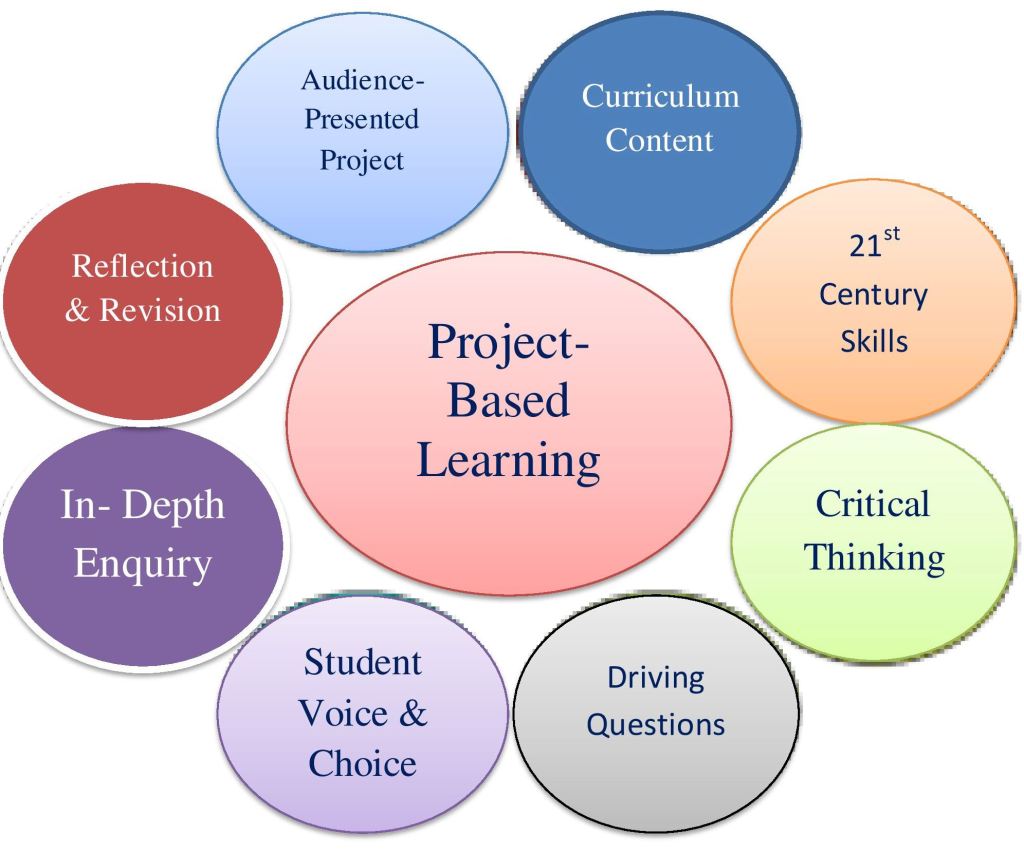
Panel Discussion: The Power of Project-Based Learning in Alternative Education
Moderator: Welcome everyone to our panel discussion on project-based learning in alternative education. Today, we have gathered a group of experts who are passionate about this innovative approach to share their insights and experiences. Let’s begin by introducing our panelists.
Panelist 1: Hello, I’m Jane Smith, an educator with over 10 years of experience in alternative schooling. I firmly believe that project-based learning is a transformative method for engaging students and fostering their creativity.
Panelist 2: Hi there! My name is John Davis, and I am an advocate for student-centered learning approaches. Through my work as a teacher, I have witnessed the tremendous impact that project-based learning can have on students’ motivation and ownership of their education.
Panelist 3: Greetings! I’m Sarah Thompson, a parent who has chosen alternative education for my children. Project-based learning has been instrumental in nurturing their curiosity and enabling them to develop critical thinking skills beyond traditional classroom settings.
Moderator: Thank you all for joining us today. Let’s dive into our discussion by defining what project-based learning entails within the context of alternative education.
Jane Smith: Project-based learning involves providing students with opportunities to explore real-world problems or topics deeply through hands-on projects. It encourages collaboration, research skills development, problem-solving abilities, and creativity while engaging learners actively throughout the process.
John Davis: Absolutely! In contrast to traditional teaching methods that rely heavily on lectures and textbooks, project-based learning centers around inquiry-driven investigations that connect academic concepts with practical applications. This allows students to see the relevance of what they’re studying in their everyday lives.
Sarah Thompson: And as a parent watching my children thrive in an alternative educational environment using this approach, it’s evident that they are not just memorizing facts but truly understanding complex concepts through active participation in projects tailored to their interests and passions.
Moderator: That’s an excellent point. Could you elaborate on the benefits of project-based learning in alternative education?
Jane Smith: Certainly! One significant advantage is that it promotes self-directed learning. By allowing students to choose projects aligned with their interests, they become more motivated and take ownership of their education. This leads to increased engagement and a deeper understanding of the subject matter.
John Davis: Additionally, project-based learning enhances critical thinking skills as students are required to analyze information, solve problems, make decisions, and present their findings. It prepares them for real-world challenges by developing skills such as research, communication, and collaboration—skills that are highly valued in today’s workforce.
Sarah Thompson: Absolutely! Project-based learning also fosters creativity and innovation as students have the freedom to think outside the box when designing their projects. They learn how to brainstorm ideas, experiment with different approaches, and adapt their strategies based on feedback received from peers or mentors.
Moderator: Those are indeed compelling advantages. However, some critics argue that project-based learning may not adequately prepare students for standardized tests or future academic pursuits. How would you respond to this concern?
Jane Smith: While it’s true that project-based learning may differ from traditional teaching methods seen in standardized test formats, it equips students with essential life-long skills beyond exam performance. These include problem-solving abilities, critical thinking skills, effective communication techniques—all vital components of success in any field.
John Davis: I’d like to add that project-based learning doesn’t exclude content knowledge acquisition; instead, it integrates it within meaningful contexts. Students still gain foundational knowledge but also understand how this knowledge can be applied practically—a valuable skill set applicable in any future academic or professional endeavor.
Sarah Thompson: Furthermore, we need to remember that alternative education values holistic development rather than solely focusing on test scores. Project-based learning nurtures well-rounded individuals who possess broad cognitive abilities alongside social-emotional competencies, making them better equipped to navigate the complexities of life.
Moderator: Thank you all for your insights. It’s clear that project-based learning holds immense promise in alternative education settings by empowering students to become active participants in their own learning journey.
 Alternative Amie
Leave a comment