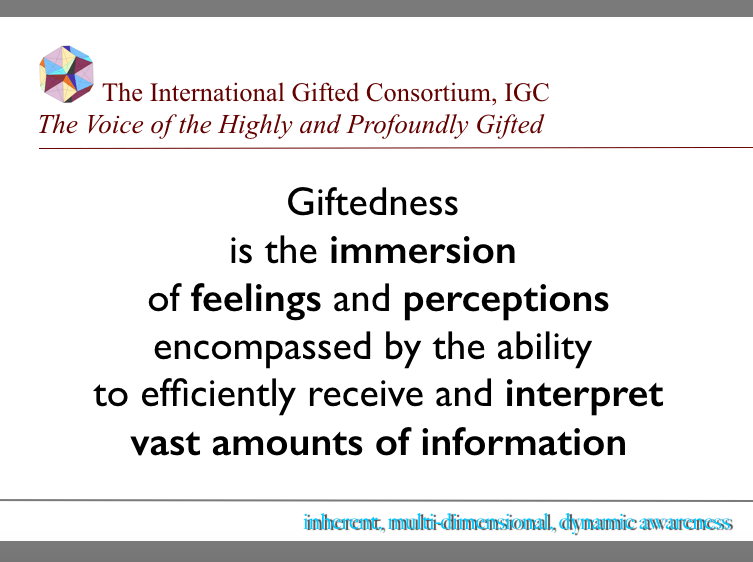
Giftedness identification and assessment methods play a crucial role in identifying exceptional abilities among students. Recognizing giftedness is essential to provide appropriate educational opportunities and support for these individuals. There are various methods used to identify gifted students, each with its own strengths and weaknesses. In this article, we will explore eight common approaches to identifying giftedness.
1. IQ Tests:
One of the most well-known methods for identifying gifted individuals is through intelligence quotient (IQ) tests. These tests measure cognitive abilities such as reasoning, problem-solving, and memory skills. Results from IQ tests can help determine a student’s intellectual potential compared to their peers.
2. Standardized Achievement Tests:
Standardized achievement tests assess a student’s knowledge in specific subject areas such as math or language arts. Gifted students often excel on these assessments due to their advanced understanding of academic content.
3. Teacher Observations:
Teachers who work closely with students have valuable insights into their abilities and potential for giftedness. They observe characteristics like quick learning, high levels of curiosity, creativity, advanced vocabulary usage, and strong critical thinking skills.
4. Parent Recommendations:
Parents can provide valuable input regarding their child’s behaviors and talents outside the school environment that indicate exceptional abilities or aptitude in certain areas.
5. Portfolios:
Portfolios allow students to showcase samples of their work across different subjects or creative projects they have undertaken independently or collaboratively. These collections provide evidence of talent development over time and offer a holistic view of a student’s abilities beyond traditional test scores.
6 . Checklists/Rating Scales:
Checklists/rating scales help identify characteristics associated with giftedness by assessing various domains such as creativity, leadership potential, motivation for learning challenges, intensity level in emotions/thinking patterns etc.. These tools assist educators in gathering information about multiple aspects of a student’s behavior and performance.
7 . Dynamic Assessment:
Dynamic assessment involves evaluating how quickly learners can acquire new knowledge or skills with guidance and support. This method focuses on a student’s ability to learn rather than their existing knowledge, making it particularly useful for identifying gifted learners who may rapidly grasp new concepts.
8 . Multiple Criteria:
Using multiple criteria involves considering various assessment methods together. It helps paint a comprehensive picture of a student’s abilities by considering factors such as test scores, teacher observations, parent recommendations, and portfolios. Combining different approaches reduces the risk of overlooking gifted students who may not excel in one specific area but demonstrate exceptional talents in others.
It is important to note that no single method can perfectly capture the complexity of giftedness. Each approach has its limitations and potential biases. Therefore, using multiple identification methods is recommended to ensure accuracy and fairness in assessing giftedness.
Moreover , cultural and socioeconomic factors should be taken into account during the identification process to prevent underrepresentation of certain groups. Giftedness can manifest differently across cultures and backgrounds, so professionals involved in assessments need to be culturally sensitive and knowledgeable about diverse expressions of talent.
In conclusion, identifying giftedness requires a multifaceted approach that encompasses cognitive ability tests like IQ tests along with other measures such as standardized achievement tests, teacher observations, parent recommendations, portfolios, checklists/rating scales etc.. Utilizing multiple criteria increases the likelihood of accurately identifying these exceptional individuals while considering individual differences and cultural diversity. By employing thoughtful assessment methods, educators can pave the way for tailored educational opportunities that meet the unique needs of gifted students.
 Alternative Amie
Leave a comment