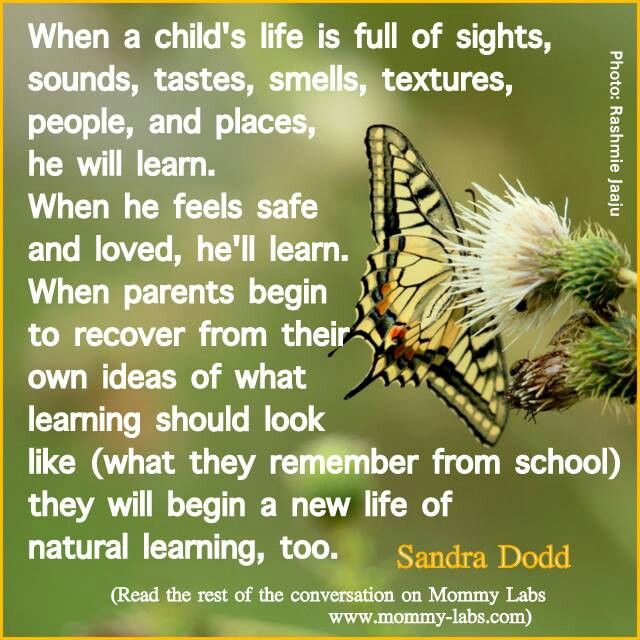
Parental Involvement in Unschooling: Nurturing Lifelong Learning
Unschooling, also known as self-directed or child-led education, is an alternative approach to schooling that emphasizes the natural curiosity and interests of children. It encourages them to take charge of their own learning, allowing them the freedom to explore topics that captivate their attention. Unlike traditional schooling methods, unschooling does not rely on a fixed curriculum or formal instruction.
At the heart of unschooling lies parental involvement. Parents play a crucial role in supporting and facilitating their children’s learning journeys. They act as guides, mentors, and facilitators rather than teachers who dictate what must be learned. This article will delve into the various ways parents can get involved in unschooling and how this involvement nurtures lifelong learning.
1. Cultivating a Nurturing Environment:
Parents who embrace unschooling create an environment where learning is integrated into everyday life. They surround their children with stimulating resources such as books, art supplies, educational games, and tools for exploration. By providing these materials within easy reach, parents enable their children to follow their natural curiosities and develop skills at their own pace.
2. Encouraging Autonomy:
In unschooling households, parents respect each child’s autonomy by allowing them to make decisions about what they want to learn and when they want to learn it. Parents support these choices by helping children find resources related to their interests and providing guidance when needed.
3. Facilitating Real-World Experiences:
Unschoolers believe that real-world experiences are rich sources of knowledge and understanding. Parents actively seek out opportunities for hands-on learning through field trips, community events, internships or apprenticeships with professionals in fields that interest their child.
For example, if a child expresses an interest in marine biology after visiting an aquarium exhibit during a family outing; the parent might arrange further visits there or help connect the child with local marine biologists for mentoring opportunities. These experiences bring learning to life and provide practical applications for academic concepts.
4. Supporting Self-directed Learning:
Unschooling parents understand that children learn best when they are motivated by their own interests. They encourage self-directed learning by providing resources, guidance, and emotional support as their children pursue their passions.
Parents might help create a schedule or routine that allows ample time for independent exploration and reflection. They may also facilitate connections with other unschooling families or local communities to foster social interaction and collaboration among like-minded learners.
5. Modeling Lifelong Learning:
Parents who embrace unschooling recognize the importance of modeling lifelong learning themselves. By engaging in their own pursuits, whether it’s reading books, pursuing hobbies, or acquiring new skills, parents exemplify the joy of continuous learning.
When children observe their parents’ enthusiasm for knowledge acquisition and personal growth, they develop an appreciation for lifelong learning as well. This sets a powerful example that encourages children to take ownership of their education beyond formal schooling years.
6. Providing Emotional Support:
Unschooling can sometimes be met with skepticism from family members or society at large due to its unconventional nature. Parents play a vital role in providing emotional support to both their children and themselves during challenging times.
They serve as advocates for unschooling within their social circles while also ensuring open communication channels with their children about any concerns or obstacles they may face along the way. By fostering an environment of trust and understanding, parents empower their children to persevere through difficulties while maintaining a love for learning.
In conclusion, parental involvement in unschooling is essential to creating an enriching educational experience tailored to each child’s unique needs and interests. By cultivating nurturing environments, encouraging autonomy, facilitating real-world experiences, supporting self-directed learning, modeling lifelong learning behaviors themselves, and providing emotional support; parents become integral partners on this journey towards fostering curious minds capable of lifelong learning.
 Alternative Amie
Leave a comment