Creativity and Innovation: Nurturing the Seeds of Alternative Education
In today’s rapidly changing world, traditional schooling methods are being challenged by alternative approaches that prioritize creativity and innovation. These progressive educational models recognize that fostering these skills is not only beneficial for personal development but also essential for success in the future job market. By encouraging students to think outside the box, explore their passions, and problem-solve creatively, alternative schools are paving the way for a brighter tomorrow.
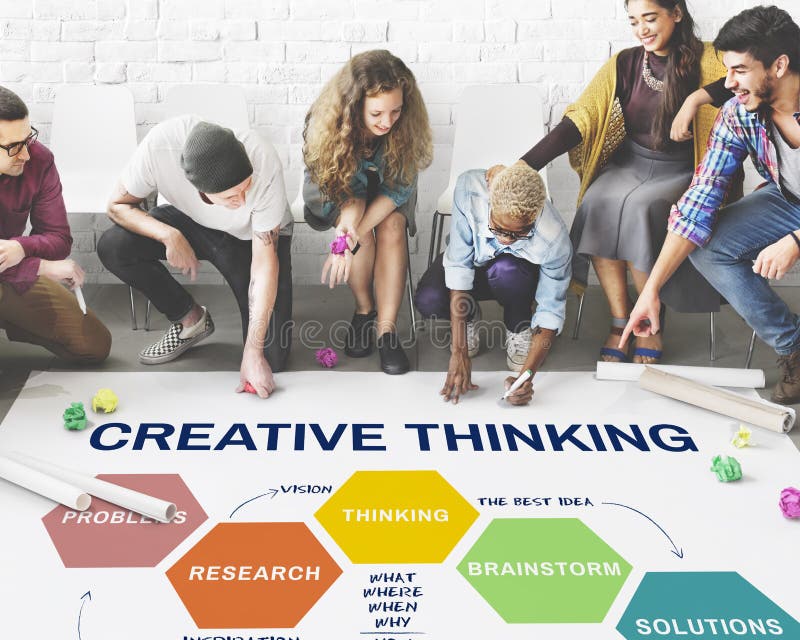
One of the fundamental aspects of alternative education is its emphasis on cultivating creativity. Unlike conventional classrooms where rote memorization and standardized tests reign supreme, creative thinking takes center stage in these innovative institutions. Students are encouraged to explore their imagination, ask questions, experiment with ideas, and express themselves freely. This approach empowers children to find unique solutions to problems rather than relying solely on predetermined formulas or rules.
Furthermore, alternative schools often integrate various art forms into their curriculum to foster creativity. Dance classes, theater workshops, painting sessions – all provide opportunities for students to engage in self-expression and develop their artistic abilities. By engaging with different art forms, learners can tap into their innate creativity while also building confidence in themselves as individuals.
Innovation is another key component of alternative education systems. Rather than adhering rigidly to established norms or outdated practices, these institutions encourage students to challenge conventions and think critically about existing systems. By doing so, they prepare young minds to become future change-makers who can adapt quickly to new technologies and societal demands.
One way that alternative schools promote innovation is through project-based learning (PBL). PBL involves students working on long-term projects that require critical thinking skills and collaboration with peers. This method encourages learners not only to acquire knowledge but also apply it practically by solving real-world problems creatively.
Moreover, many alternative schools incorporate interdisciplinary studies into their programs; this allows students from diverse backgrounds and areas of interest to collaborate effectively together within a given project. By integrating subjects such as science, math, literature, and art, learners gain a holistic understanding of the world and are better equipped to find innovative solutions that span multiple disciplines.
In addition to promoting creativity and innovation within the classroom, alternative schools also focus on creating an environment that supports these qualities. The physical space is often designed to inspire exploration and collaboration, with flexible seating arrangements, open areas for group work, and ample access to resources such as technology or creative materials.
Furthermore, alternative schools prioritize fostering a culture of risk-taking and resilience. They encourage students to learn from failure rather than fear it – recognizing that mistakes are an essential part of the learning process. This mindset empowers learners to take risks in their thinking and approach challenges with confidence rather than trepidation.
It is important to note that creativity and innovation are not just limited to academic subjects but can be applied across all areas of life. Alternative schools recognize this reality by offering extracurricular activities that further nurture these skills. Whether it’s through entrepreneurship clubs or social initiatives like community service projects, students have opportunities outside the classroom to explore their passions while making a positive impact on society.
Ultimately, alternative education models prioritize creativity and innovation because they understand that these qualities are crucial for addressing the complex problems our world faces today. By encouraging students’ natural curiosity, providing them with tools for critical thinking, fostering interdisciplinary collaboration, and embracing risk-taking attitudes – alternative schools empower young minds to become future innovators who will shape a brighter tomorrow.
In conclusion, traditional education systems can sometimes stifle creativity and hinder innovation due to their focus on conformity and memorization-based learning methods. In contrast, alternative education models prioritize cultivating imagination by encouraging students’ curiosity through project-based learning approaches alongside interdisciplinary studies. These institutions offer an environment conducive for creative expression while nurturing resilience in the face of failure—a vital skill required for successful problem-solving in any field or industry. With these foundations, alternative schools empower learners to become innovative thinkers and change-makers who will shape a better future for themselves and society as a whole.
 Alternative Amie
Leave a comment