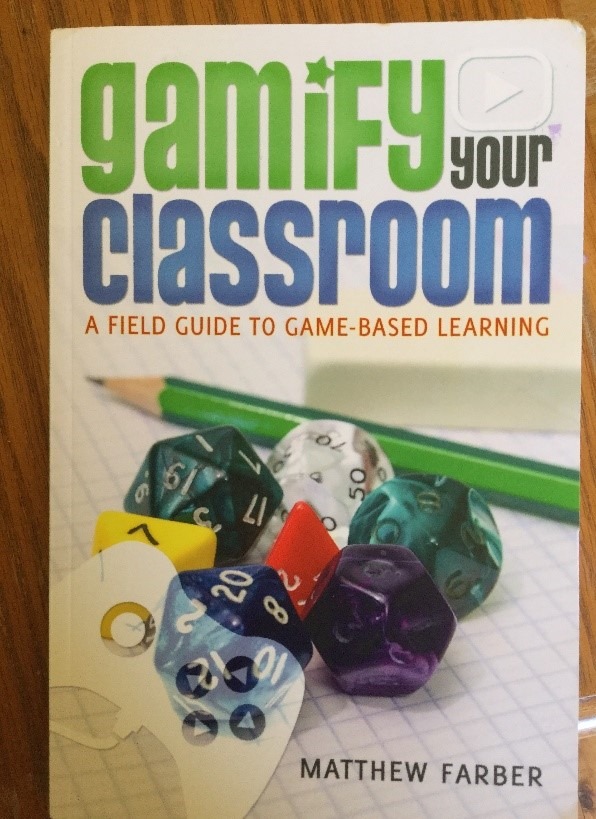
Gamification of Lessons: Enhancing Student Engagement and Learning
Introduction:
Traditional teaching methods often struggle to captivate students’ attention, resulting in disengagement and limited learning outcomes. However, by incorporating gamification into lessons, educators can transform the classroom experience into an exciting and interactive journey that promotes active participation and deepens understanding. In this article, we will explore the concept of gamification, its benefits for students’ educational journeys, successful examples from various disciplines, and practical tips for implementing gamified lessons effectively.
Understanding Gamification:
Gamification involves applying game design principles and mechanics to non-game contexts such as education. It leverages elements like rewards systems, challenges, levels, badges, leaderboards, narratives, and immediate feedback to enhance motivation and engagement among learners. By tapping into the inherent human inclination towards playfulness and competition, gamified lessons create immersive experiences that stimulate curiosity while fostering critical thinking skills.
Benefits of Gamified Lessons:
1. Increased Engagement: Gamification transforms passive learners into active participants by placing them at the center of their own learning experiences. Through interactive gameplay elements incorporated within lessons or educational platforms, students become more motivated to explore concepts deeply.
2. Enhanced Motivation: The integration of rewards systems within gamified lessons provides intrinsic motivation for students to complete tasks or master specific skills. These rewards may include points or virtual currencies that enable progression through levels or unlock additional content.
3. Personalized Learning Paths: Gamified lessons allow for individualized approaches tailored to each student’s abilities and needs. Adaptive technologies can track progress in real-time and provide personalized guidance accordingly.
4. Immediate Feedback: Games inherently offer immediate feedback on performance; likewise in gamified lessons where feedback is provided instantly after a task completion or answer submission process occurs.
5. Collaboration Opportunities: Many games require collaboration with peers or teamwork to achieve shared goals effectively—transferring this cooperative aspect into educational gaming fosters communication skills development while encouraging teamwork among students.
Successful Examples of Gamified Lessons:
1. Duolingo: This language learning app combines gamification elements such as levels, achievements, and streaks to motivate users to learn languages consistently.
2. Classcraft: It transforms classrooms into role-playing games by assigning students different character roles and granting them powers or privileges based on their academic performance and behavior.
3. MinecraftEdu: Leveraging the popularity of Minecraft, this educational version allows teachers to create virtual worlds where students collaborate, problem-solve, and explore various subjects in a sandbox environment.
4. Kahoot!: A platform that turns quizzes into interactive competitions through timed multiple-choice questions with leaderboards for added excitement.
5. Prodigy Math Game: Designed to improve math skills, this game uses engaging characters and narratives while adapting difficulty levels based on individual progress.
Implementing Gamified Lessons Effectively:
1. Set Clear Learning Objectives: Clearly define the desired learning outcomes before integrating gamification elements into lessons. Align these objectives with curriculum standards or specific competencies required.
2. Choose Appropriate Game Mechanics: Select game mechanics that align with the subject matter and goals of your lesson plan—for example, incorporating puzzles for logical reasoning or simulations for science experiments.
3. Provide Balanced Challenges: Ensure that challenges within the game are appropriately challenging but not overly difficult or frustrating—maintaining a balance will keep learners engaged without discouragement.
4. Incorporate Feedback Mechanisms: Offer immediate feedback after each task completion or answer submission so that students understand their progress and can make adjustments accordingly.
5. Encourage Collaboration: Design multiplayer aspects within gamified lessons to foster collaboration among students—this promotes communication skills development while creating a sense of shared achievement.
6. Monitor Progression & Adapt Accordingly: Utilize data analytics tools embedded within educational gaming platforms to monitor student progress; adjust difficulty levels or provide additional support when necessary.
Conclusion:
Gamification has emerged as a powerful tool to enhance student engagement and learning outcomes across various educational disciplines. By integrating game design principles, rewards systems, immediate feedback, and collaboration opportunities into lessons, educators can create immersive environments that motivate students to actively participate in their own learning journeys. As technology continues to evolve, the potential for gamification in education is vast. Embracing this approach equips teachers with effective tools to make learning enjoyable while cultivating vital skills needed for success in the 21st-century world.
 Alternative Amie
Leave a comment