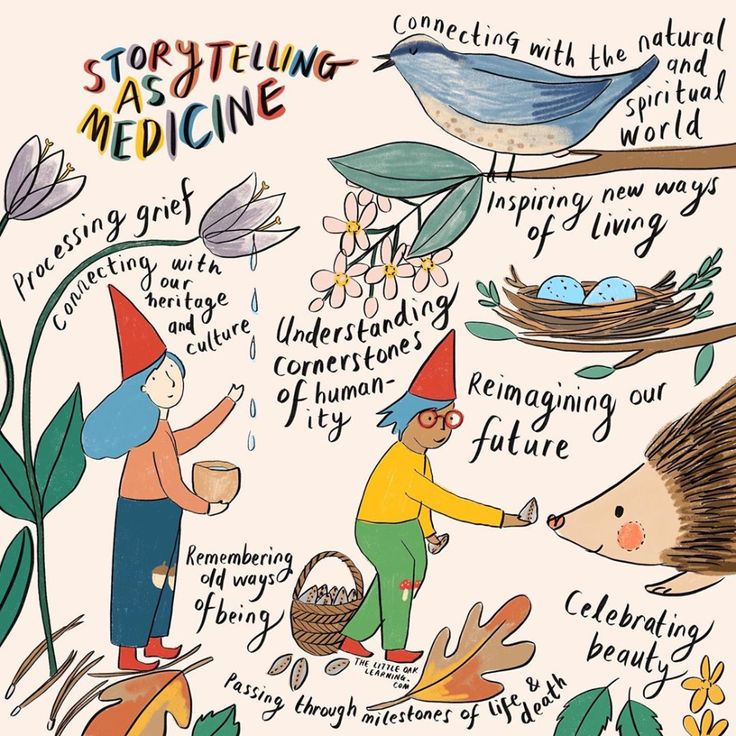
Storytelling is a powerful tool that has been used by cultures around the world for centuries. Oral traditions, in particular, have played a significant role in passing down knowledge and preserving cultural heritage. In alternative schooling and education, storytelling offers an engaging and interactive way to teach children about nature.
Nature stories can spark curiosity and create a deep connection with the environment. They can transport children to different natural settings, allowing them to explore the wonders of forests, oceans, or deserts from their own classrooms or homes. Through these stories, children learn about various ecosystems, animals, and plants while developing empathy towards the natural world.
Oral traditions also foster creativity as they encourage students to use their imagination when listening or retelling stories. Children can be encouraged to reenact scenes from nature stories using props or engage in group discussions where they share their interpretations of the story’s message.
Furthermore, storytelling promotes language development by exposing children to rich vocabulary and descriptive language. It enhances listening skills as students carefully follow the narrative arc of a tale. Additionally, it cultivates critical thinking as children analyze characters’ motivations or predict outcomes based on story elements.
Incorporating storytelling into alternative education settings allows for an immersive learning experience that nurtures a love for nature while offering educational benefits across multiple domains of development.
 Alternative Amie
Leave a comment