Balancing Dual Enrollment Coursework with Other High School Responsibilities
Introduction:
Dual enrollment programs have gained popularity in recent years, providing high school students the opportunity to earn college credits while still enrolled in high school. This unique approach allows students to get a head start on their higher education journey and experience college-level coursework before stepping foot on a university campus. However, participating in dual enrollment can sometimes be challenging, as it requires balancing these college courses with other high school responsibilities. In this case study-style post, we will explore strategies for effectively managing dual enrollment coursework alongside extracurricular activities, social life, and personal well-being.
Understanding Dual Enrollment:
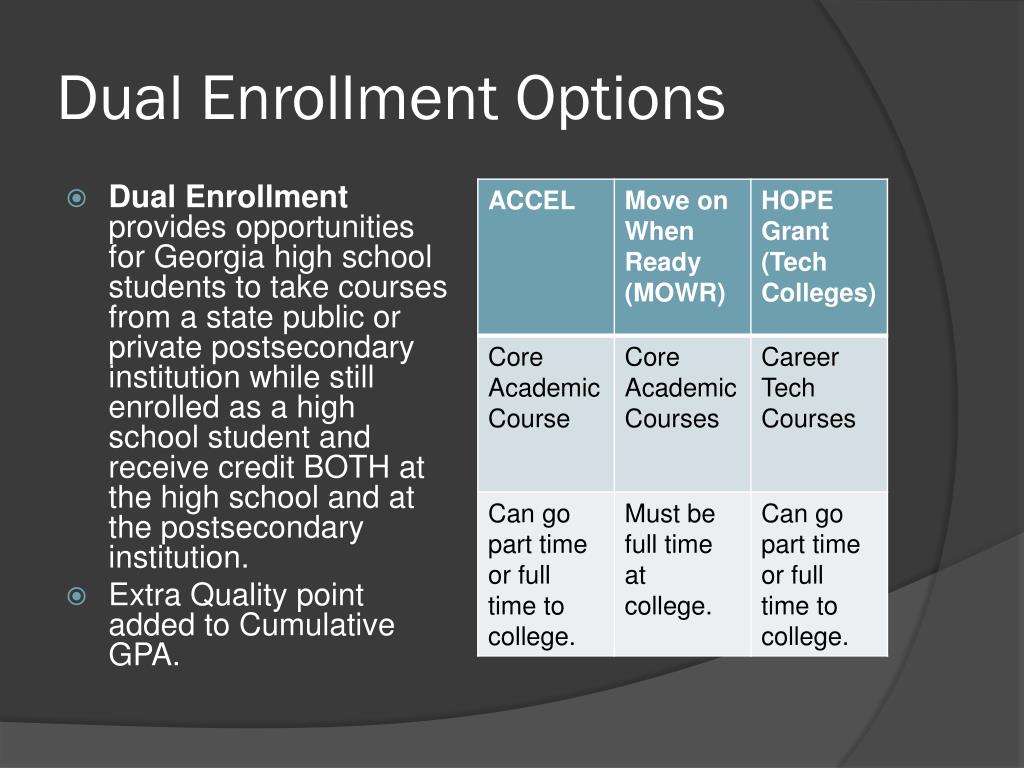
Before diving into tips for balancing dual enrollment coursework, it is essential to understand what it entails. Dual enrollment programs typically involve taking college-level classes either at a local community college or online while still attending high school. These courses are typically taught by qualified professors and offer the same rigor as regular college classes. Students who successfully complete these courses receive both high school credit and college credit concurrently.
Benefits of Dual Enrollment:
Participating in a dual enrollment program offers numerous benefits to high school students. Firstly, it allows them to challenge themselves academically by delving into advanced subjects not typically offered at the high school level. It also provides an opportunity for intellectual growth and exploration of potential career paths before committing fully to one field of study.
Moreover, earning college credits through dual enrollment can significantly reduce both the time spent pursuing a degree in higher education and the associated costs. By completing some general education requirements early on, students may enter university with advanced standing or even graduate earlier than their peers.
Balancing Act: Tips for Managing Dual Enrollment Coursework
1. Effective Time Management:
One of the most critical factors when balancing dual enrollment coursework with other responsibilities is effective time management. Creating a schedule that accounts for all commitments – including regular classes at your high school, extracurricular activities, work, and personal time – can help ensure that you allocate enough time for studying and completing assignments.
Consider using a planner or digital calendar to organize your tasks and set reminders. Prioritize your dual enrollment coursework by identifying when you are most productive, whether it’s early in the morning or late at night. Moreover, break down larger assignments into smaller tasks to make them more manageable and avoid procrastination.
2. Open Communication:
Maintaining open lines of communication with both high school teachers and college professors is crucial. Letting them know about your participation in a dual enrollment program can help them understand your commitments outside of regular high school coursework.
Informing teachers about upcoming exams or major projects in advance allows them to accommodate any scheduling conflicts appropriately. Similarly, reaching out to college professors when encountering challenges can foster a supportive learning environment while ensuring they are aware of your dedication to their class.
3. Seek Support from Peers:
Engaging with peers who are also involved in dual enrollment programs can provide valuable support and encouragement throughout the journey. Join study groups or online forums where students share experiences and offer tips for managing coursework efficiently.
Collaborating with classmates on group projects or forming study partnerships can distribute the workload while enhancing understanding through discussion. Additionally, sharing resources like textbooks or study guides saves both time and money.
4. Utilize Available Resources:
Take advantage of the resources available through both your high school and college institutions. High schools often have guidance counselors who specialize in dual enrollment programs; they can assist with course selection, schedule planning, and addressing any concerns that may arise during the semester.
College libraries typically offer research materials beyond what is accessible at high school libraries, providing an opportunity for deeper exploration within subjects covered by dual enrollment courses. Online platforms such as tutoring services or virtual office hours offered by colleges should also be utilized if additional assistance is needed.
5. Remember Self-Care:
While balancing multiple responsibilities, it is crucial not to neglect personal well-being. Prioritize self-care by ensuring enough time for relaxation, exercise, and socializing with friends and family. Engaging in activities that bring joy and reduce stress can ultimately enhance productivity and overall mental health.
Conclusion:
Successfully balancing dual enrollment coursework with other high school responsibilities requires effective time management, open communication, peer support, utilization of available resources, and prioritizing personal well-being. By implementing these strategies, students can make the most out of their dual enrollment experience while maintaining a healthy balance between academic pursuits and other aspects of life. Dual enrollment programs offer an incredible opportunity for high school students to get ahead academically; it is essential to approach them with a balanced mindset for optimal success.
 Alternative Amie
Leave a comment