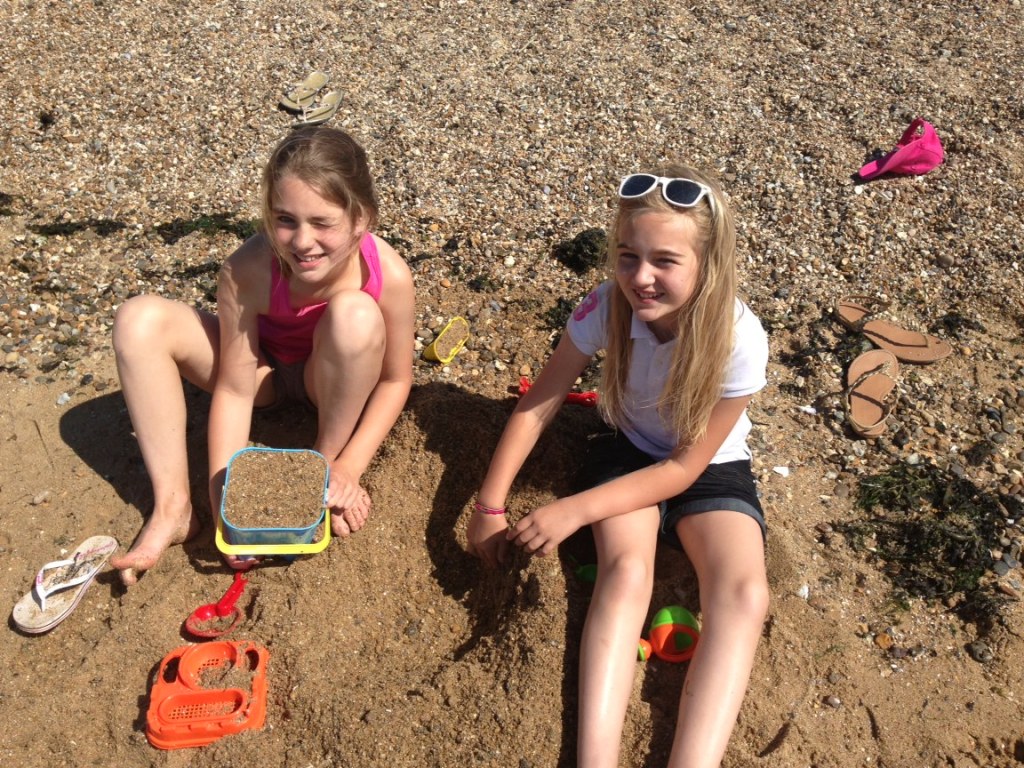
Beach Schooling: Embracing Nature and Learning
In recent years, there has been a growing interest in alternative forms of education that move away from the traditional classroom model. One such approach is beach schooling, which offers a unique and immersive learning experience for children of all ages. By combining the beauty of nature with structured educational activities, beach schooling allows students to explore and discover the world around them in a hands-on and engaging way.
What is Beach Schooling?
Beach schooling is an innovative form of education that takes place on sandy shores, allowing students to learn in a natural and stimulating environment. Instead of confining students indoors, teachers take advantage of the vast opportunities presented by coastal areas to create meaningful learning experiences.
The concept behind beach schooling goes beyond simply conducting regular classes at the beach. It involves designing curriculum-aligned lessons that utilize the natural elements found on beaches – sand, water, rocks, shells, plants – as teaching tools. This approach encourages exploration and adventure while ensuring academic growth.
Advantages of Beach Schooling
1. Connection with nature: Spending time outdoors has numerous benefits for children’s physical and mental well-being. The beach provides an ideal setting to connect with nature through activities such as birdwatching, tide pool exploration, or identifying different plant species.
2. Hands-on learning: Traditional classrooms often rely heavily on textbooks and lectures as primary teaching methods. In contrast, beach schooling emphasizes hands-on experiences where children actively engage with their surroundings. Whether it’s building sandcastles or collecting seashells for classification exercises, these tangible experiences enhance comprehension and retention.
3. Multi-sensory stimulation: The sensory-rich environment offered by beaches enhances learning experiences by engaging multiple senses simultaneously. The feel of sand between toes, the sound of crashing waves or seagulls calling overhead can deepen understanding in ways that cannot be replicated within four walls.
4. Encourages curiosity: Children are naturally curious beings, and the beach provides an endless source of intrigue. Exploring tide pools, studying marine life, or investigating erosion patterns encourages children to ask questions and seek answers independently.
5. Physical activity: Beach schooling promotes physical activity by incorporating movement into lessons. Walking along the shoreline, participating in team-building games, or engaging in water sports not only keeps students active but also helps develop gross motor skills.
6. Environmental awareness: By immersing students in nature’s wonders, beach schooling fosters a deep appreciation for the environment and creates a sense of responsibility towards its preservation. Developing environmental consciousness from an early age can lead to lifelong habits of sustainability.
7. Social interaction: The beach offers ample opportunities for socialization and teamwork among students through group activities like sand sculpting competitions or collaborative problem-solving challenges. These interactions enhance communication skills and promote positive relationships among peers.
Implementing Beach Schooling
To successfully implement beach schooling, educators need careful planning and creativity:
1. Curriculum integration: Design lesson plans that align with academic standards while utilizing the unique resources available at the beach. For instance, lessons on oceanography could involve examining different types of seaweed or using seashells to learn about geometric shapes.
2. Safety first: Prioritize student safety by ensuring appropriate adult supervision at all times during beach sessions. Educators must be well-versed in water safety regulations and establish protocols for emergencies.
3. Flexibility is key: Nature can be unpredictable, so it’s important to adapt lesson plans based on weather conditions or unforeseen circumstances such as high tides or inclement weather.
4. Collaboration with experts: Seek partnerships with local marine biologists, environmentalists, or other professionals who specialize in coastal ecosystems to provide expert guidance during field trips or guest lectures.
5. Record observations: Encourage students to keep journals where they document their findings and reflections from each visit to the beach school setting — this helps consolidate learning experiences and encourages critical thinking.
6. Community involvement: Organize beach clean-ups or conservation activities to instill a sense of responsibility towards the environment in students while fostering community engagement.
Challenges and Considerations
While beach schooling offers exceptional benefits, it also presents some challenges that educators must address:
1. Accessibility: Not all regions have easy access to beaches, making beach schooling difficult for certain populations. Educators may need to explore alternatives such as lakeshores or parks with natural water bodies.
2. Weather constraints: Unpredictable weather conditions can disrupt planned lessons, necessitating flexibility and adaptability from both teachers and students.
3. Safety precautions: Beaches come with inherent risks such as strong currents, extreme temperatures, or hazardous marine life. It is crucial for educators to prioritize student safety by implementing appropriate measures like lifeguard supervision and first aid training.
4. Resource availability: Depending on the location, obtaining necessary resources like transportation or equipment can pose logistical challenges for schools interested in implementing beach schooling programs.
Conclusion
Beach schooling provides an innovative approach to education that combines academic learning with nature exploration in a stimulating coastal environment. By embracing hands-on experiences, multi-sensory stimulation, and encouraging curiosity, this alternative form of education offers numerous advantages over traditional classroom settings. While challenges exist around accessibility and safety concerns, careful planning and collaboration with experts can help overcome these obstacles. Ultimately, beach schooling allows children to learn through immersion in nature’s wonders while nurturing their love for the environment and fostering lifelong learning skills
 Alternative Amie
Leave a comment