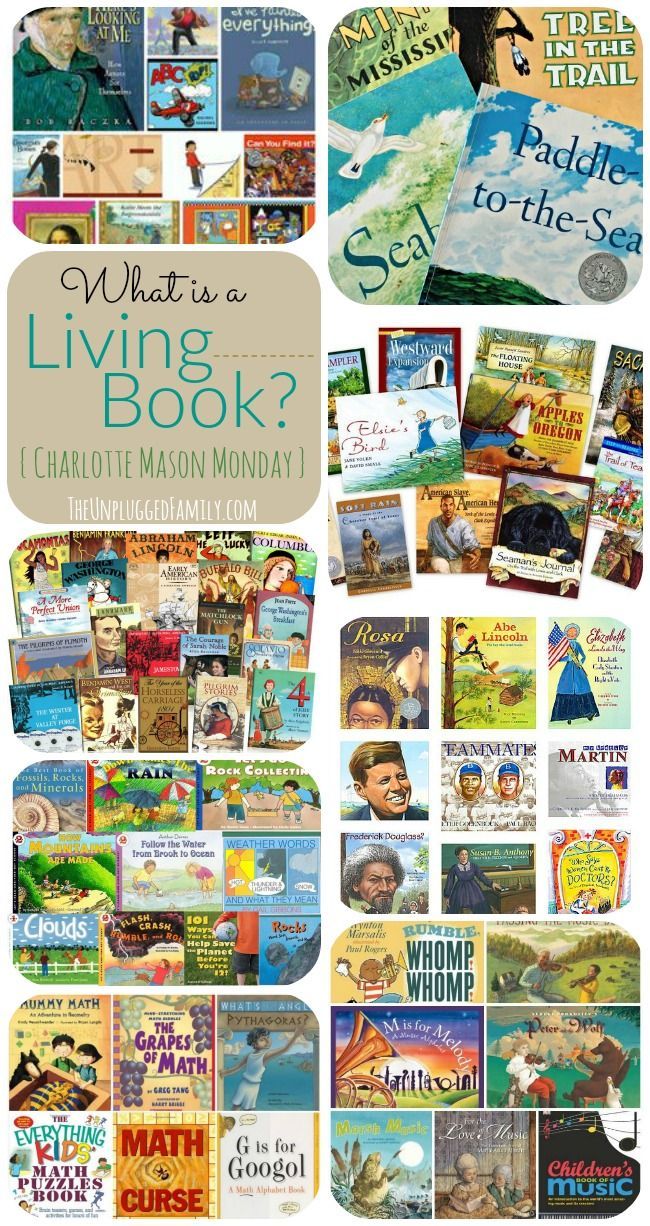
Living Books: A Guide to Engaging and Interactive Learning
Are you tired of traditional textbooks that make learning a mundane task? If so, then living books might be the perfect solution for you! Living books are an innovative approach to education that brings subjects to life through engaging narratives and interactive experiences. In this article, we will explore what living books are, why they are effective for learning, and how you can incorporate them into your educational journey.
What are Living Books?
Living books are written by passionate authors who have a deep understanding of their subject matter. They go beyond mere facts and figures by weaving stories around the topics they cover. These books aim to ignite curiosity and inspire a love for learning in readers of all ages. Whether it’s history, science, literature, or any other subject, living books offer immersive reading experiences that captivate students’ imaginations.
Why Are Living Books Effective for Learning?
1. Emotionally Engaging: By presenting information in narrative form with relatable characters and compelling storylines, living books tap into students’ emotions. This emotional connection enhances memory retention and makes learning more enjoyable.
2. Authenticity: Living books often draw from primary sources or firsthand accounts, providing readers with authentic perspectives on historical events or scientific discoveries. This authenticity fosters critical thinking skills as students learn to analyze various viewpoints.
3. Interdisciplinary Approach: Living book authors understand that knowledge is interconnected across disciplines. They seamlessly integrate multiple subjects within their narratives, helping students see the relevance of different areas of study in real-life contexts.
4. Active Participation: Unlike traditional textbooks that present information passively, living books encourage active participation from readers through thought-provoking questions or interactive elements such as maps or illustrations. This hands-on engagement deepens understanding and promotes independent thinking.
How Can You Incorporate Living Books Into Your Education?
1. Explore Different Genres: There is a wide variety of living book genres available, including biographies, historical fiction, and natural science. Encourage students to explore different genres to broaden their knowledge and interests.
2. Supplement Curriculum: Living books can be used as supplementary resources alongside your existing curriculum. They provide additional depth and context to the topics being covered in textbooks or lesson plans.
3. Establish Book Clubs: Create a book club where students can read and discuss living books together. This fosters a sense of community, encourages critical thinking through group discussions, and provides an opportunity for collaborative learning.
4. Visit Libraries and Museums: Many libraries and museums have curated collections of living books that are available for borrowing or reading on-site. Plan educational outings to these institutions to further enrich your learning experience with living books.
In conclusion, living books offer a refreshing alternative to traditional textbooks by providing engaging narratives that bring subjects to life. By incorporating them into your educational journey, you can foster a love for learning while developing critical thinking skills across various disciplines. So why settle for dry information when you can embark on exciting adventures through the pages of living books?
 Alternative Amie
Leave a comment