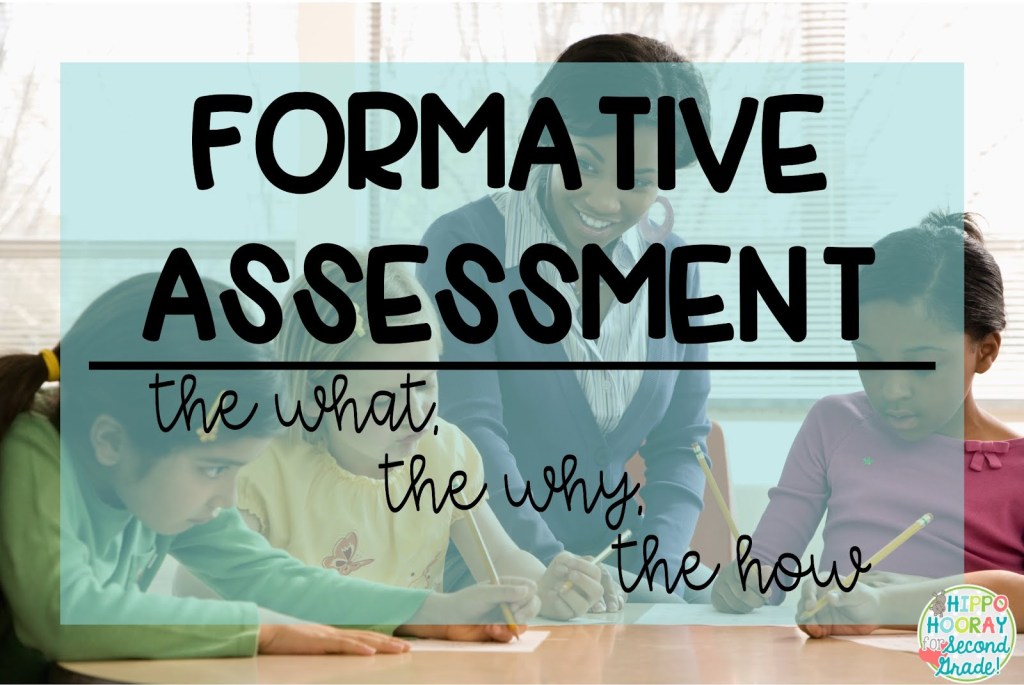
Formative Assessment: A Comprehensive Guide to Enhance Learning
Introduction:
Formative assessment is a crucial tool in the field of education that promotes student engagement, deepens understanding, and enhances overall learning outcomes. Unlike summative assessments that measure students’ knowledge at the end of a unit or course, formative assessments are ongoing processes that provide real-time feedback to both teachers and students. This article aims to demystify formative assessment by answering common questions about its definition, benefits, implementation strategies, and examples.
What is Formative Assessment?
Formative assessment refers to any method or process used by teachers to gather evidence about students’ learning progress during instruction. It involves observing student performance, providing immediate feedback, and using this information to adjust teaching strategies accordingly. The primary goal of formative assessment is not assigning grades but rather improving learning outcomes through ongoing feedback loops.
Benefits of Formative Assessment:
1. Enhanced Student Engagement: By actively involving students in their own learning process and making them aware of their strengths and areas for improvement, formative assessment increases student motivation and engagement.
2. Personalized Instruction: Formative assessments help teachers tailor their instruction according to individual needs by identifying gaps in understanding early on.
3. Improved Learning Outcomes: Continuous monitoring enables timely interventions that promote deeper understanding and long-term retention.
4. Increased Teacher Effectiveness: Teachers can gauge the effectiveness of their instructional methods through formative assessment data and modify their approach accordingly.
Implementing Formative Assessment:
To effectively implement formative assessment practices in the classroom, educators can adopt various strategies:
1. Clear Learning Objectives: Set clear goals for each lesson or unit so that both teachers and students have a shared understanding of what needs to be achieved.
2. Pre-assessment: Administering pre-assessment tasks allows teachers to assess prior knowledge before starting new content delivery.
3. Exit Tickets: These concise quizzes or reflections at the end of a lesson help gauge student comprehension and identify areas that need revisiting.
4. Observations: Teachers can make anecdotal notes during class discussions, group activities, or individual work to monitor understanding and participation.
5. Self-Assessment: Encourage students to reflect on their own learning progress by evaluating their strengths and weaknesses against specific criteria.
6. Peer Assessment: Foster collaboration among students by incorporating peer feedback where they assess each other’s work or provide constructive criticism.
Examples of Formative Assessment:
1. Quizzes and Tests: Short quizzes administered during or after a lesson can provide immediate insights into student understanding.
2. Think-Pair-Share: Students think individually about a topic, discuss it with a partner, and then share their thoughts with the whole class, encouraging active engagement in the learning process.
3. Exit Slips: At the end of a class session, students write down what they have learned or any questions they still have on small slips of paper to hand in before leaving the classroom.
4. Concept Maps: Students visually represent their understanding of a concept by creating diagrams that connect related ideas and concepts.
5. Journaling/Writing Prompts: Regular writing assignments allow students to reflect on what they have learned while providing teachers with insight into their thought processes.
Formative Assessment Challenges:
While formative assessment offers many benefits, there are also some challenges associated with its implementation:
1. Time Constraints: Incorporating formative assessments requires dedicated time within instruction for feedback collection, which may seem challenging given curriculum demands.
2. Grading Concerns: Balancing formative assessments without overwhelming grading responsibilities can be difficult for teachers who are accustomed to traditional grading practices.
3. Resistance to Change: Transitioning from summative-focused practices towards more frequent formative assessments may face resistance from both educators and students who are unfamiliar with this approach.
Conclusion:
Formati
 Alternative Amie
Leave a comment