The Engineering Design Process: A Pathway to Creative Problem Solving
Introduction:
In today’s rapidly evolving world, it is essential for students to develop skills that go beyond memorization and regurgitation of facts. One such skill is the ability to think critically and solve problems creatively. This is where the Engineering Design Process comes into play. As an alternative approach to education, this process provides a framework for students to tackle complex challenges by following a systematic and iterative problem-solving method.
What is the Engineering Design Process?
The Engineering Design Process (EDP) is a series of steps that engineers, designers, and innovators use to create solutions in various fields. It offers a structured approach that can be applied not only in engineering but also in other disciplines like science, technology, art, and even everyday life situations.
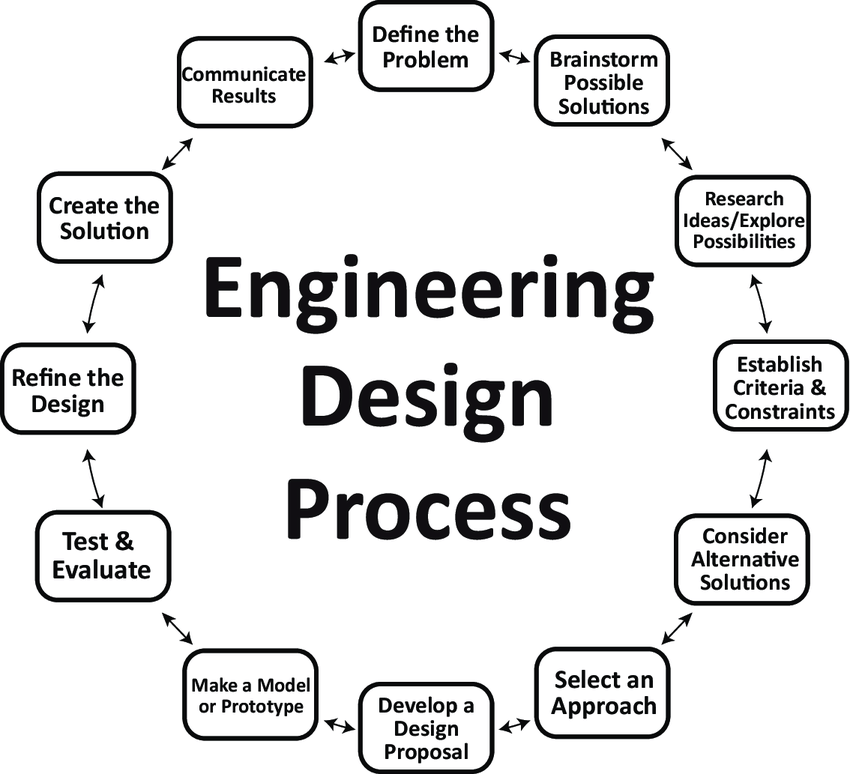
While there are different variations of the EDP depending on the source or context, they all share some common elements. Generally speaking, the process consists of five main stages: Define the Problem, Research and Generate Ideas, Develop Solutions, Build and Test Prototypes, Evaluate and Iterate.
Stage 1: Define the Problem
The first step in any design process involves clearly defining the problem or challenge at hand. This requires careful analysis of what needs improvement or solving. Students are encouraged to ask questions like “What exactly are we trying to achieve?” “Who will benefit from this solution?” “What constraints do we need to consider?”
Defining the problem helps narrow down potential solutions and sets clear objectives for further stages in the process.
Stage 2: Research and Generate Ideas
Once students have a firm grasp on what they’re trying to accomplish with their design project or challenge, it’s time for research and brainstorming ideas. They explore existing solutions or similar projects while identifying gaps or areas for improvement.
During this stage, educators can introduce relevant concepts related to materials science, physics principles or biology theories – providing students with a foundation to understand the feasibility and constraints of their designs.
Brainstorming sessions allow for creative thinking, encouraging students to generate multiple ideas without judgment. This divergent thinking approach helps foster innovation and encourages out-of-the-box solutions.
Stage 3: Develop Solutions
After gathering a range of ideas, it’s time for the design phase. Students use critical thinking skills to evaluate different options and select the most promising solution(s). They create detailed plans or sketches that outline how their design will work, considering factors such as functionality, aesthetics, safety, and sustainability.
This stage also involves breaking down complex problems into smaller components or subsystems. By doing so, students gain a deeper understanding of how each part contributes to the overall functionality of their design.
Stage 4: Build and Test Prototypes
Once the design is finalized on paper or digital media, it’s time to bring it to life by building a prototype. Depending on available resources and materials, prototypes can range from simple models made with cardboard or clay to more sophisticated constructions using advanced technology like 3D printers.
Building prototypes serves two purposes: first, it allows students to identify any flaws in their designs that may not have been apparent during the planning stage; secondly, it offers an opportunity for hands-on experimentation which enhances learning by providing real-world context.
Testing is an integral part of this stage as well. It helps determine if the prototype meets its intended purpose efficiently while highlighting areas that require improvement or modification.
Stage 5: Evaluate and Iterate
The final stage of the Engineering Design Process involves evaluating both the process itself and the final product. Students are encouraged to reflect upon what worked well during each step and what challenges they encountered along the way. This self-reflection promotes metacognition skills – enabling learners to analyze their own thinking processes critically.
Evaluating outcomes allows students not only to assess whether they achieved their initial objectives but also provides opportunities for further improvement. This iterative nature of the EDP encourages students to refine their designs and develop better solutions through continuous learning.
Benefits of using the Engineering Design Process in Education:
1. Promotes critical thinking: The EDP fosters a mindset that values problem-solving skills, encouraging students to think critically and analyze various factors before settling on a solution.
2. Enhances creativity: By incorporating brainstorming sessions and divergent thinking, the EDP nurtures creativity and innovation among students, fostering their ability to think outside the box.
3. Encourages collaboration: The design process often involves teamwork, allowing students to collaborate with peers while developing communication and interpersonal skills necessary for success in today’s collaborative work environments.
4. Develops resilience: Iterative problem-solving teaches learners not to fear failure but instead embrace it as an opportunity for growth. It develops perseverance and resilience by instilling confidence in handling setbacks constructively.
5. Real-world application: By mimicking real-world design processes, the EDP bridges the gap between theoretical knowledge acquired in classrooms and its practical applications in professional settings or everyday life situations.
Conclusion:
The Engineering Design Process provides a dynamic framework that promotes creative problem-solving skills through structured steps that mirror real-world design processes. Incorporating this approach into alternative education systems allows students to develop essential competencies required for success in an increasingly complex world – critical thinking, creativity, collaboration, resilience, and real-world application of knowledge.
By empowering learners with these invaluable tools early on, we are equipping them with the capabilities needed to tackle future challenges head-on while nurturing a passion for lifelong learning along the way.
 Alternative Amie
Leave a comment