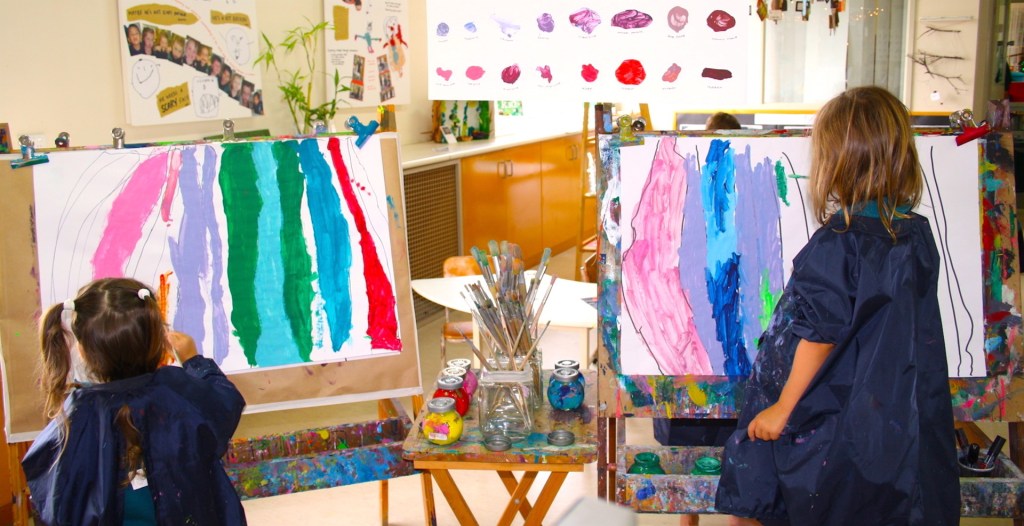
The Reggio Emilia approach is an innovative and highly regarded educational philosophy that originated in the town of Reggio Emilia, Italy, after World War II. This approach to early childhood education has gained international recognition for its emphasis on creativity, collaboration, and community involvement. In this case study-style post, we will explore the principles and practices of the Reggio Emilia approach and examine its impact on alternative schooling and education.
1. History and Background:
The Reggio Emilia approach was developed by educator Loris Malaguzzi along with parents in the town of Reggio Emilia. The philosophy emerged as a response to the devastation caused by World War II when citizens sought to rebuild their community through a progressive educational system. Inspired by the ideas of psychologists such as Jean Piaget and Lev Vygotsky, Malaguzzi aimed to create an educational environment that fostered children’s natural curiosity, imagination, and creativity.
2. Key Principles:
Central to the Reggio Emilia approach are several key principles:
– Image of the Child: The approach views children as competent individuals with rights rather than passive recipients of knowledge.
– Emergent Curriculum: The curriculum is based on students’ interests, questions, and experiences rather than predetermined lesson plans.
– Project-Based Learning: Children engage in long-term projects where they investigate real-world problems collaboratively.
– Documentation: Teachers document children’s learning processes through photographs, recordings, artwork displays which become part of ongoing assessment.
3. Learning Environment:
Reggio Emilia classrooms are designed to be welcoming spaces that provoke wonderment and curiosity among children. Natural materials like wood are used extensively while spaces are filled with light and plants to create a calming atmosphere conducive to exploration. Classrooms often have dedicated areas for various activities such as art studios or science corners where children can freely express themselves.
4. Role of Educators:
Educators play a crucial role in facilitating learning within the Reggio Emilia approach. They act as co-learners, collaborators, and researchers alongside the students. Teachers carefully observe and listen to children’s interests and questions, guiding them towards further exploration while respecting their autonomy.
5. Collaboration with Families:
The Reggio Emilia approach recognizes that parents are essential partners in education. Regular communication between educators and families helps foster a strong sense of community involvement. Parents are encouraged to participate actively in their child’s learning journey through classroom visits, discussions, and collaborative projects.
6. Impact on Alternative Schooling:
The Reggio Emilia approach has had a profound impact on alternative schooling by challenging traditional educational models and advocating for child-centered education. Its emphasis on creativity, critical thinking, collaboration, and respect aligns well with alternative approaches such as Montessori or Waldorf education.
7. Application beyond Early Childhood Education:
While the Reggio Emilia approach was initially developed for early childhood education (ages 3-6), its principles have been successfully applied to other age groups as well. Many schools around the world have incorporated elements of this philosophy into their curriculum for older students.
8. Challenges and Criticisms:
Like any educational approach, the Reggio Emilia philosophy is not without its challenges or criticisms. Some educators may find it difficult to implement due to limited resources or rigid curriculum requirements imposed by standardized testing systems prevalent in many countries.
9. Success Stories:
Numerous success stories from schools adopting the Reggio Emilia approach showcase its efficacy in fostering engaged learners who become critical thinkers capable of problem-solving creatively at an early age.
10.Conclusion:
In conclusion, the Reggio Emilia approach offers an inspiring framework for alternative schooling options seeking to prioritize holistic development over rote memorization-based education systems prevalent today. By placing children at the center of their own learning experiences within supportive communities facilitated by dedicated educators and involved families, this innovative philosophy continues to shape a new generation of lifelong learners.
 Alternative Amie
Leave a comment