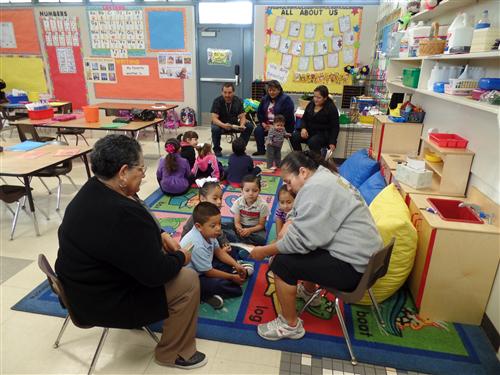
Parent Involvement in Multiage Classrooms: A Collaborative Approach to Education
Introduction:
In traditional classrooms, parents often have limited opportunities for involvement beyond parent-teacher conferences and occasional volunteering. However, in multiage classrooms, parents play a crucial role in supporting the learning experiences of their children and others within the classroom community. This article will explore the benefits of parent involvement in multiage classrooms, highlight various ways parents can contribute to their child’s education, and address any potential challenges that may arise.
Understanding Multiage Classrooms:
Multiage classrooms are educational environments where students of different ages and grades learn together under the guidance of one or more teachers. These classrooms typically span two or three grade levels and foster a sense of community among students with diverse skills, abilities, and backgrounds. The primary goal is to create an inclusive environment that promotes collaborative learning, peer mentoring, and individualized instruction.
Benefits of Parent Involvement:
1. Enhanced Support System: When parents actively engage in a multiage classroom setting, they become an additional support system for both their own child and other students. By building relationships with all the children in the class over multiple years, parents can provide emotional support, academic guidance, and mentorship.
2. Individualized Attention: With children at different levels academically within a multiage classroom, teachers may face challenges meeting each student’s unique needs effectively. Parent involvement helps bridge this gap by allowing parents to assist with differentiated instruction tailored specifically to their child’s strengths and weaknesses.
3. Expanded Learning Opportunities: Parents bring diverse knowledge and expertise from various fields into the classroom environment. They can collaborate with teachers to plan hands-on activities or share real-life experiences related to specific topics being taught. This enriches the learning experience for all students involved.
4. Positive Role Models: When parents actively participate in school activities alongside their children on a regular basis, they become positive role models not only for their own child but for the entire classroom. This presence helps establish a culture of involvement and commitment to education.
Ways Parents Can Contribute:
1. Volunteering: Parents can offer their time by volunteering in the classroom, assisting with specific projects, or organizing educational outings. This active involvement allows parents to witness firsthand the teaching methods employed in multiage classrooms and better understand how they can support their child’s learning at home.
2. Sharing Expertise: Every parent possesses unique skills and knowledge that can benefit students in a multiage classroom. Whether it’s conducting science experiments, playing musical instruments, or sharing cultural traditions, parents can contribute by providing hands-on experiences that enhance the curriculum.
3. Collaborating with Teachers: Regular communication between parents and teachers is essential for maximizing student learning outcomes. By maintaining open lines of dialogue, parents can work collaboratively with teachers to address any concerns or challenges their child may encounter within the multiage setting.
4. Supporting Cooperative Learning: Multiage classrooms encourage collaboration among students of different ages and abilities. Parents can reinforce this cooperative spirit by promoting group projects at home or arranging playdates with classmates outside of school hours.
Challenges to Consider:
While parent involvement in multiage classrooms offers numerous benefits, certain challenges need consideration:
1. Time Commitment: Parental involvement requires dedicated time from busy schedules; therefore, finding ways to balance commitments without overwhelming families is crucial.
2. Varying Expectations: Different families may have diverse expectations regarding their level of involvement in their child’s education due to personal circumstances or cultural backgrounds. Ensuring clear communication about opportunities available for parent engagement helps manage these varying expectations effectively.
3. Teacher-Parent Collaboration: Effective collaboration between teachers and parents is vital for harnessing the full potential of parental involvement within a multiage classroom environment.
Conclusion:
Involving parents in multiage classrooms creates an enriching educational experience for both students and adults involved. The collaborative approach nurtures a sense of community, enhances individualized instruction, and provides unique learning opportunities. By volunteering, sharing expertise, collaborating with teachers, and supporting cooperative learning, parents can actively contribute to their child’s academic success within multiage classrooms. As schools continue to explore alternative educational approaches, parent involvement in multiage classrooms is a valuable aspect that contributes to the overall development and growth of students.
 Alternative Amie
Leave a comment