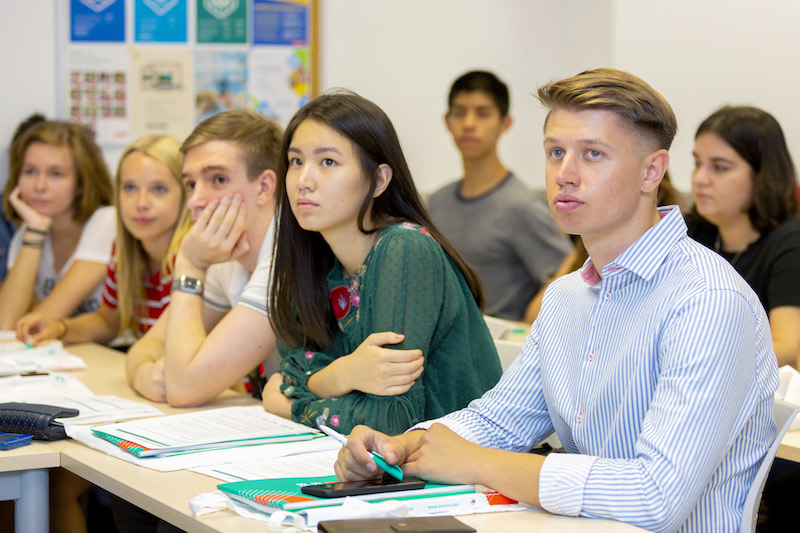
Alternative schooling and education provide a unique environment where students from diverse ethnic backgrounds can come together to learn, grow, and appreciate each other’s cultures. It fosters an inclusive community that celebrates diversity and encourages students to embrace their ethnicity while building relationships with others. In this article, we will explore the top 15 ethnicities commonly found in alternative schools and discuss the enriching experiences they bring to the learning environment.
1. African American: African American students bring a rich cultural heritage that includes music, art, literature, and history. Their contributions help create a more comprehensive curriculum that reflects diverse perspectives.
2. Asian: With various subgroups like Chinese, Indian, Korean, Filipino, and many others, Asian students contribute their unique traditions such as language skills or expertise in mathematics and science.
3. Hispanic/Latinx: Students of Hispanic or Latinx descent add vibrancy to the classroom through their language skills (Spanish), vibrant celebrations (Cinco de Mayo), and traditional dances (salsa).
4. Native American/Indigenous: These students share their knowledge about land stewardship practices passed down through generations along with cultural traditions like storytelling or arts.
5. Caucasian/European American: While often considered the majority group in society, Caucasian/European American students also contribute by sharing aspects of their culture like classical music or historical events important to Western civilization.
6. Middle Eastern/North African: Students from this region offer valuable insights into Islamic culture through discussions on religion, customs, cuisine (falafel or hummus), calligraphy art forms like Arabic writing.
7. Pacific Islander/Hawaiian: Pacific Islander/Hawaiian students introduce classmates to Polynesian cultures with hula dancing performances or knowledge about traditional practices such as tattooing (tatau) or navigation using stars.
8. Multiracial/Biracial/Mixed Race Individuals: These individuals represent a blend of different ethnic backgrounds which allows for a unique perspective and understanding of multiple cultures.
9. Afro-Caribbean: Students from the Caribbean contribute to alternative schools by sharing their rich traditions in music (reggae, soca), dance (limbo), and cuisine (jerk chicken).
10. South Asian: Students from countries like India, Pakistan, Bangladesh bring insights into Hinduism, Sikhism, or Islam along with cultural practices such as Diwali celebrations or traditional clothing like sarees.
11. Native Alaskan: Native Alaskan students provide knowledge about indigenous cultures specific to Alaska like Inuit or Yup’ik traditions.
12. Eastern European/Slavic: Students from Eastern Europe bring diverse cultural practices such as traditional dances (Polish polka) or culinary delights like pierogi.
13. Indigenous Australian/Aboriginal: These students offer a unique perspective on Australia’s history and culture through their storytelling traditions (Dreamtime stories) or art forms like dot painting.
14. Jewish: Jewish students share their rich heritage through religious holidays (Passover, Hanukkah), historical events (Holocaust education), and contributions to literature and science.
15. LGBTQ+: While not an ethnicity per se, LGBTQ+ individuals add diversity through their experiences navigating gender identity and sexual orientation within various ethnic communities mentioned above.
In conclusion, alternative schooling provides an ideal setting that encourages cross-cultural learning among students from diverse ethnic backgrounds. Each ethnicity brings its own unique perspectives, traditions, languages, and customs that enrich the educational experience for all involved. By embracing these differences in alternative schools, we foster a sense of inclusivity while preparing students for a globalized society where diversity is celebrated rather than marginalized.
 Alternative Amie
Leave a comment