Arts-Integrated Curriculum: Fostering Creativity and Learning
In traditional education systems, the arts are often regarded as separate from core academic subjects. However, an innovative approach known as arts-integrated curriculum seeks to bridge this gap by incorporating creative expression into various disciplines such as math, science, language arts, and social studies. By blending the arts with academics, students not only gain a deeper understanding of subject matter but also develop essential skills like critical thinking, problem-solving, collaboration, and self-expression.
What is Arts-Integrated Curriculum?
Arts-integrated curriculum refers to an educational approach that integrates artistic practices into core academic subjects. It goes beyond merely incorporating art activities or projects as supplementary elements; instead, it seamlessly weaves together artistic processes and concepts with content knowledge across different subject areas.
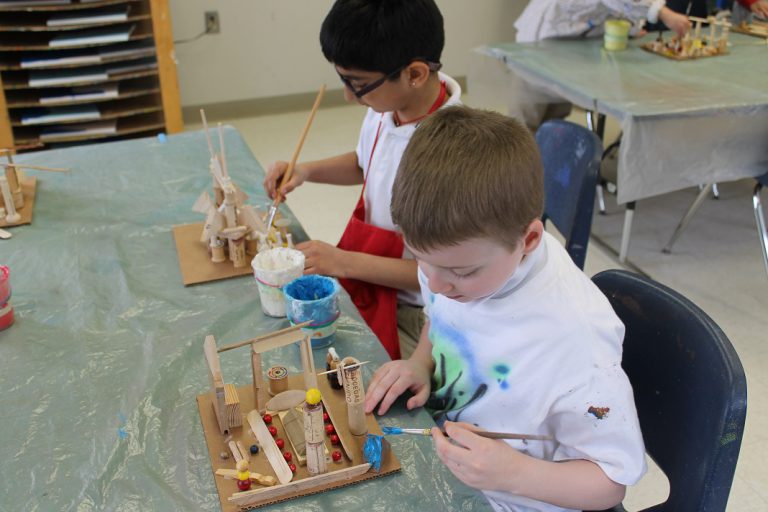
This interdisciplinary approach allows students to engage in hands-on experiences that connect their learning to real-life applications while nurturing their imagination and creativity. Whether it’s using dance movements to understand mathematical patterns or creating visual representations of historical events through paintings or sculptures, arts integration provides a holistic learning environment where students can explore complex ideas using multiple modes of expression.
Why Choose Arts Integration?
1. Enhancing Academic Achievement: Research has consistently shown that integrating the arts into curricula improves student achievement in academic subjects. When students engage in artistic activities related to specific topics they are studying, they develop a deeper understanding of those subjects. For example, a study conducted by researchers from Johns Hopkins University found that incorporating drama techniques into language arts instruction led to significant improvements in reading comprehension among elementary school students.
2. Fostering Creativity and Innovation: The incorporation of the arts encourages divergent thinking and nurtures creativity in young minds. This is particularly important in today’s rapidly evolving world where creative problem-solving skills are highly valued. By engaging with different art forms such as music composition or theater improvisation within academic contexts, students learn how to think creatively when faced with challenges or unfamiliar situations.
3. Promoting Social and Emotional Development: Arts integration provides a platform for students to express themselves and explore their emotions in a supportive environment. Through artistic activities, students develop self-confidence, empathy, and emotional intelligence while exploring various perspectives and experiences. This promotes inclusivity and understanding among diverse groups of learners.
4. Enhancing Student Engagement: Incorporating the arts into academic subjects makes learning more engaging and meaningful for students. When they can connect abstract concepts to concrete artistic expressions, they become active participants rather than passive recipients of knowledge. This active engagement increases motivation, enthusiasm, and overall enjoyment of the learning process.
Implementing Arts Integration
Integrating the arts into curriculum requires collaboration between educators from different disciplines who share a common goal of enhancing student learning through creative expression. Here are some practical strategies for implementing arts integration:
1. Professional Development: Teachers need professional development opportunities to understand the principles of arts integration and how it can be applied across different subject areas. Workshops, seminars, or online courses can provide educators with the necessary skills to incorporate artistic practices effectively.
2. Collaboration: Encourage collaboration among teachers from different disciplines to identify connections between art forms and subject matter. By working together on interdisciplinary projects or units, educators can create authentic opportunities for students to apply their learning through artistic processes.
3. Planning Time: Allocating dedicated planning time allows teachers to design integrated lessons that align with both academic content standards and artistic objectives. By carefully mapping out lesson plans that integrate subject-specific goals with artistic practices, teachers ensure a cohesive learning experience.
4. Resources and Partnerships: Building partnerships with local artists or organizations specializing in arts education can enhance access to resources such as workshops, performances, or exhibitions that directly support arts-integrated instruction.
5. Assessment Strategies: Develop assessment strategies that go beyond traditional methods by incorporating performance-based assessments that evaluate both academic understanding as well as artistic expression within an integrated context.
Final Thoughts
Arts-integrated curriculum offers a powerful framework for transforming education. By incorporating artistic practices into academic subjects, students engage in meaningful learning experiences that foster creativity, critical thinking, and collaboration. As educators continue to explore innovative approaches to education, arts integration emerges as an effective strategy for nurturing well-rounded individuals prepared for the challenges of the future.
 Alternative Amie
Leave a comment